Calls to expel Ilhan Omar from Congress have surged anew in conservative media and activist circles, fueled by a blend of ongoing fraud prosecutions in Minnesota and a familiar set of accusations aimed at the Democratic lawmaker. The renewed pressure underscores how allegations—some investigated, others repeatedly denied—can be repackaged into political campaigns that test Congress’s norms around discipline, due process, and evidence.
At the center of the argument is a cluster of federal cases tied to pandemic-era social service programs in Minnesota. Prosecutors have charged dozens of defendants in sprawling schemes that exploited nutrition, housing, and health-care benefits, including the well-known Feeding Our Future case. Those prosecutions have produced convictions, guilty pleas, and ongoing trials. They have also generated public anger over oversight failures and the scale of losses—an anger that now intersects with national politics.
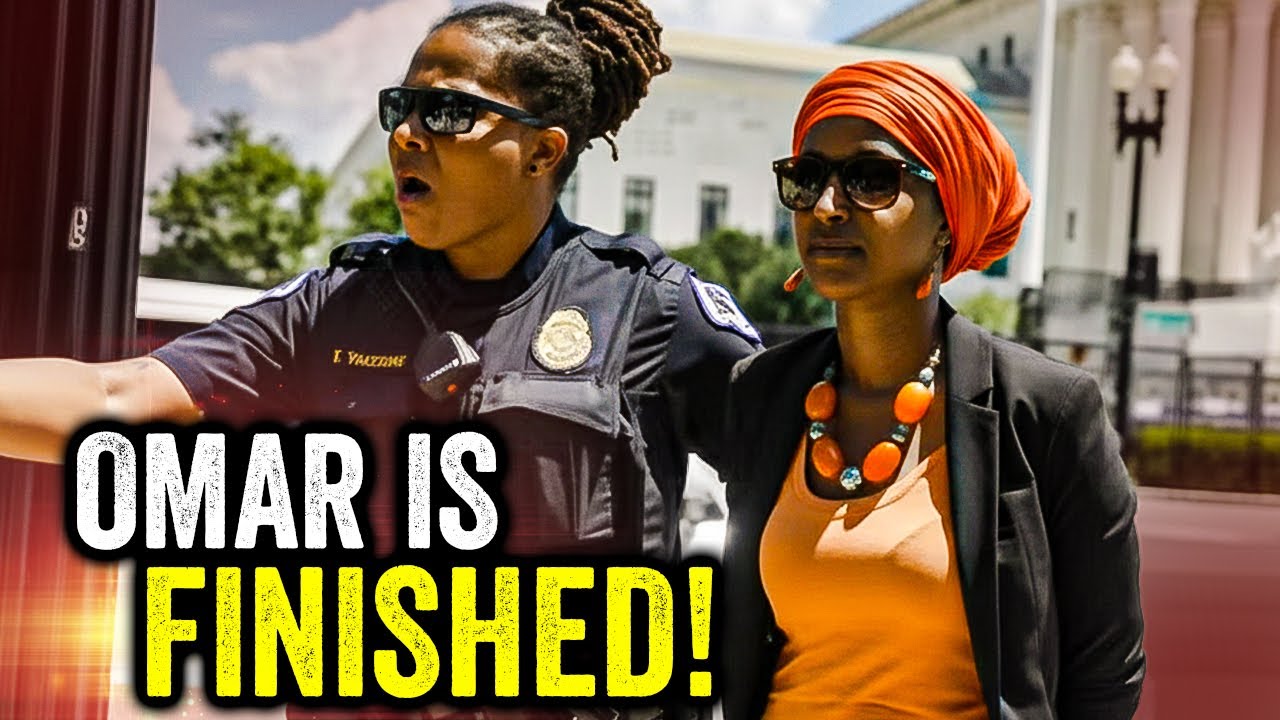
What the prosecutions have not done, however, is establish criminal culpability by Omar. Federal filings have not charged her, and investigators have not alleged that she directed or benefited from the schemes. Omar has denied wrongdoing and has said she supports accountability for fraud and stronger safeguards for public programs. The distinction matters: Congress has expelled members only for grave misconduct supported by clear evidence—most often following convictions or findings by ethics bodies—not on the basis of association, rhetoric, or proximity.
Still, the allegations persist, amplified by claims that Omar’s legislative work loosened oversight or that campaign donations from individuals later implicated in fraud create a conflict. Ethics experts note that campaign contributions from donors who later face charges do not, by themselves, establish wrongdoing by candidates; the legal question turns on intent, coordination, and quid pro quo—elements that require proof. Where evidence emerges, the House Ethics Committee is the forum designed to investigate it.
The political push to expel Omar reflects a broader pattern in which high-profile prosecutions become symbols in national debates about governance in Democratic-led states. Republicans argue that weak controls and rapid spending during the pandemic created fertile ground for abuse; Democrats counter that emergency programs were necessary to avert humanitarian crises and that fraud—while unacceptable—was detected and prosecuted precisely because oversight mechanisms exist.
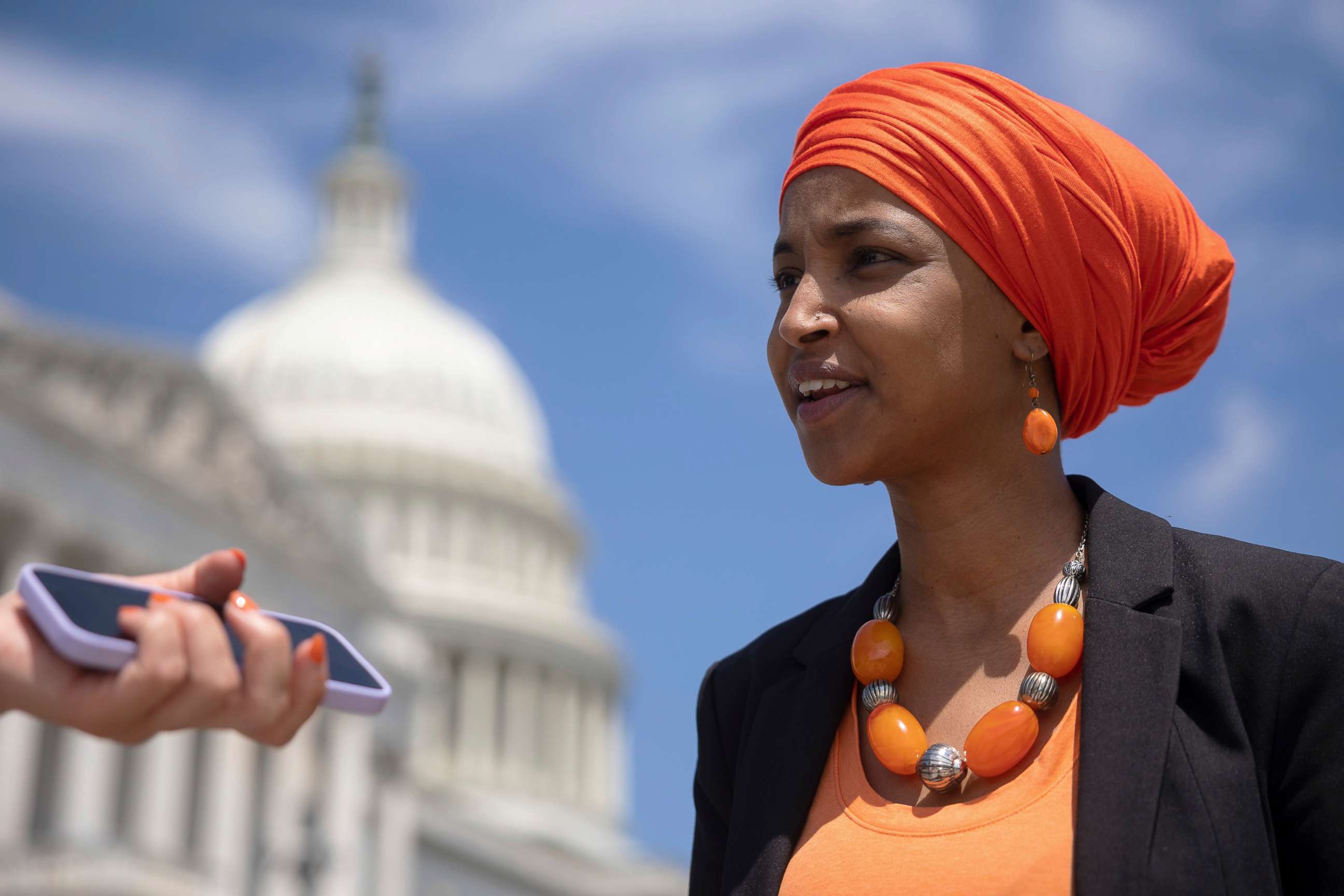
Congress’s own rules set a high bar for expulsion: a two-thirds vote of the House. Historically, that threshold has been met only in extreme circumstances. Short of expulsion, the House can censure members or remove committee assignments—penalties that require fewer votes and are often used when conduct falls short of criminality but violates institutional standards.
The intensity of the current campaign also reveals how social media and partisan outlets blur lines between investigation and accusation. Terms like “fraud tourism” and sweeping dollar figures circulate widely, often without the context prosecutors provide in court filings about what is proven, what is alleged, and what remains under review. Legal analysts warn that collapsing those distinctions risks undermining public trust in both prosecutions and democratic accountability.

For Minnesota officials, the cases have already prompted changes. State agencies have tightened controls, paused programs, and reworked contracting rules. Those steps are the quiet work of governance—less visible than political theater, but central to preventing repeat abuses. Whether Congress adds its own oversight hearings or legislative fixes will likely matter more to taxpayers than the fate of any single lawmaker.
As the debate continues, the constitutional guardrails are clear. Criminal responsibility is determined in court; congressional discipline follows evidence and process; and voters retain the ultimate judgment at the ballot box. The test for lawmakers now is whether they can address real failures—closing loopholes, funding inspectors, and enforcing standards—without substituting accusation for proof.
In the end, the question is not only about one member of Congress. It is about how institutions respond when public anger collides with the demands of due process—and whether accountability proceeds by law, or by volume.