Kyiv — A wave of overnight alerts and unverified reports describing explosions and emergency responses across parts of Russia reignited fears of escalation in the war with Ukraine, underscoring how quickly the conflict can appear to enter a more volatile phase even as key details remain uncertain.
The reports began circulating late at night through regional channels, social media accounts and military-focused networks, suggesting that Ukrainian forces had carried out a broad operation that reached deep into Russian territory. Videos showing flashes in the distance, air-raid sirens and emergency services responding to incidents spread rapidly, though independent confirmation of targets and damage proved difficult in the early hours.
Ukrainian officials did not immediately comment on the claims, a familiar pattern in operations where ambiguity itself can carry strategic value. Russian authorities offered limited and sometimes conflicting statements, acknowledging incidents in some areas while downplaying their significance in others. State media emphasized air defenses and control, even as local reports suggested disruption.

The uncertainty did little to slow reaction. Analysts and commentators quickly began examining satellite imagery, flight paths and prior patterns of strikes to assess whether the reports marked a coordinated escalation or a continuation of Ukraine’s recent strategy of targeting logistics, energy infrastructure and military assets behind the front lines.
Western officials urged caution. Several diplomats stressed that initial reports in the war have often proved incomplete or misleading, particularly during the first hours after overnight incidents. “We have learned to wait for verification,” said one European official, speaking on condition of anonymity because of the sensitivity of ongoing assessments. “Early narratives can shape perception before facts are established.”
Russia’s response was rhetorically sharp. Officials warned of consequences and accused Ukraine of provoking a dangerous expansion of the conflict. Such language has been used repeatedly during the war, especially following strikes that reach symbolic or strategic areas. Analysts note that Moscow’s public rhetoric often exceeds its immediate military response, serving both deterrent and domestic messaging purposes.
Ukraine has increasingly emphasized its right to strike military targets used to sustain Russia’s invasion, even when those targets lie far from active battlefields. Ukrainian leaders argue that limiting operations to the front lines would allow Russia to operate with impunity. At the same time, they have sought to reassure allies that their actions are calibrated and defensive.
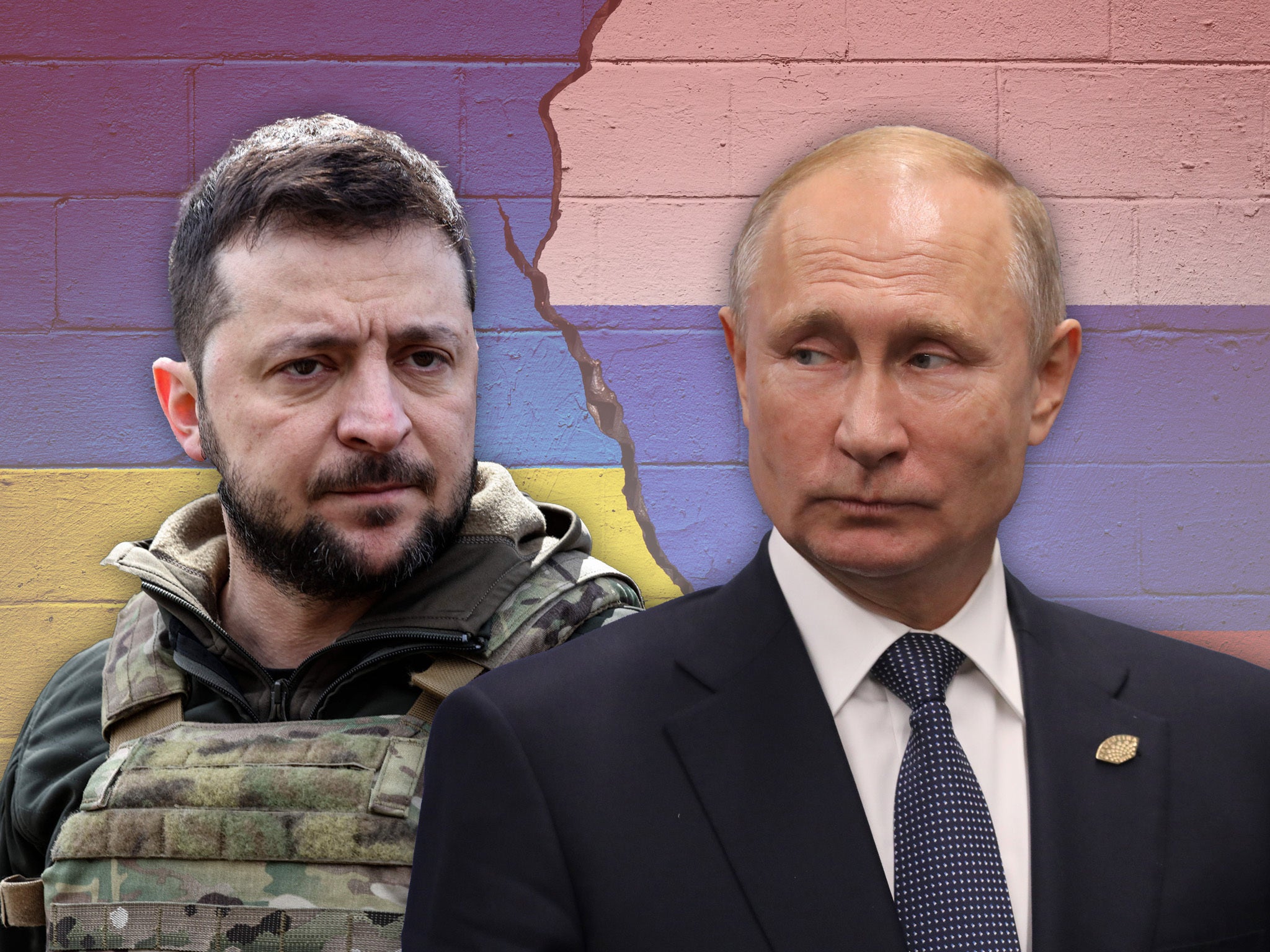
Behind closed doors, the reports triggered heightened diplomatic activity. According to officials familiar with the discussions, emergency briefings took place among allied governments to assess escalation risks, potential miscalculation and implications for ongoing military aid. The concern was not only what had happened, but how it might be interpreted in Moscow.
“This war is as much about signaling as it is about damage,” said a former NATO official. “A strike that appears devastating on social media may be limited in military effect, but its symbolic impact can be significant.”
Markets reacted cautiously. Energy prices ticked upward amid fears of broader instability, though analysts noted that similar spikes have occurred after dramatic reports only to recede once the immediate uncertainty faded. Investors appeared to be waiting for confirmation rather than reacting to speculation.
The episode highlights a recurring challenge of the conflict: information moves faster than verification. In an environment where footage and claims can circulate globally within minutes, the gap between what is known and what is assumed can widen quickly. That gap is often filled by worst-case interpretations.
For Russia, maintaining the image of control remains critical. For Ukraine, demonstrating reach and resilience is central to its strategy. Both sides operate in a space where perception can be as influential as battlefield outcomes.
As of early morning, no independent body had confirmed the full scope of the reported overnight activity. Damage assessments, if any, were incomplete, and official statements remained limited. Western intelligence agencies were expected to release more information once verification was complete.

Whether the reports signal a turning point or another spike in a long-running pattern remains unclear. The war has produced many nights that appeared to herald major escalation, only to give way to grim continuity the next day. Yet each such moment adds strain to diplomatic channels and crisis-management mechanisms.
What is clear is that the conflict continues to test the boundaries of restraint. Each reported strike, confirmed or not, forces leaders to consider red lines, responses and risks of misjudgment.
As the day unfolds, attention will shift from viral clips to verified facts. In this war, the most consequential developments often emerge slowly, through confirmed statements and observable changes on the ground rather than dramatic first reports.
For now, the overnight claims serve as a reminder of the conflict’s volatility — and of how quickly fear can spread in the absence of clarity. In a war defined by uncertainty, patience and verification remain essential, even as the world watches events unfold in real time.