ST. PAUL, Minn. — A widening federal investigation into alleged fraud across several Minnesota social-service programs has placed the state’s leadership under growing scrutiny, intensifying a political clash that now stretches from local agencies to Capitol Hill.
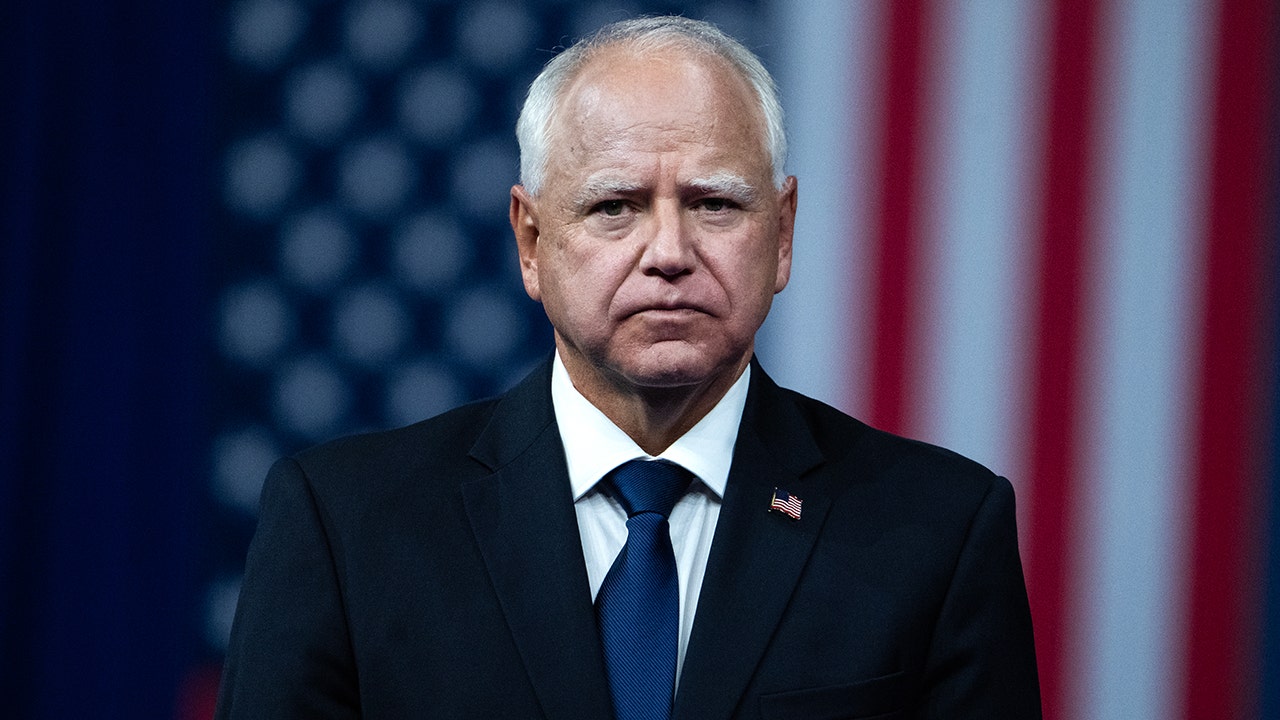
At the center of the storm is Tim Walz, whose administration has pushed back forcefully against claims that oversight failures allowed large-scale misuse of public funds. Federal authorities, however, say multiple cases remain active, with new defendants charged in recent weeks and additional audits underway.
The dispute escalated after congressional Republicans signaled frustration with what they described as incomplete cooperation from state officials. In a letter made public late last month, House investigators said Minnesota’s responses to requests for documents and timelines were “insufficient,” raising the possibility of subpoenas if cooperation did not improve. The letter cited concerns about program controls, internal warnings, and the pace of corrective action after red flags were raised.
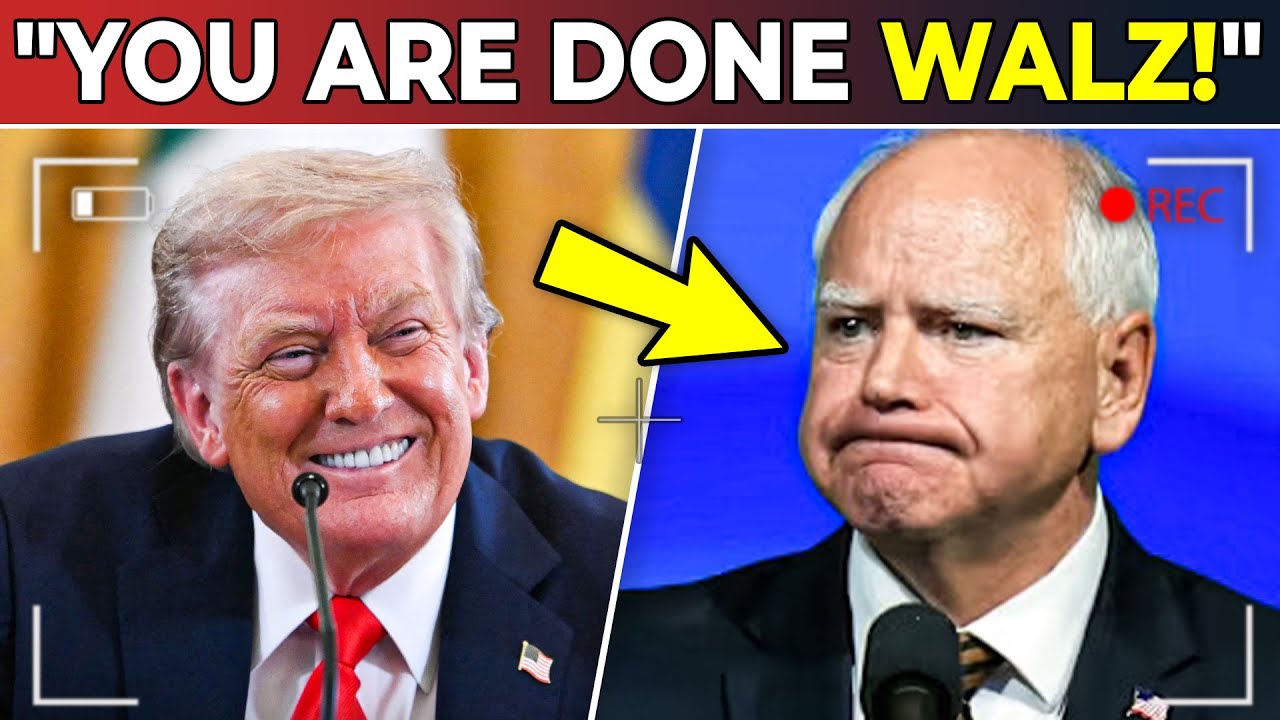
State officials reject the characterization. The governor’s office has said Minnesota strengthened compliance measures, suspended or restructured programs where problems were identified, and worked with federal partners to recover funds and prosecute wrongdoing. “Fraud is unacceptable, and those responsible should be held accountable,” a spokesperson said, adding that sweeping claims about totals or intent risk obscuring the facts of individual cases.
The political temperature rose further as national figures weighed in. Donald Trump and his allies have framed the investigations as evidence of systemic failure in Democratic-led states, while Democrats counter that the cases reflect criminal conduct by specific actors, not proof of policy design flaws. The rhetoric has amplified online, with selective clips and figures circulating widely, often without sourcing or context.
Prosecutors have been careful in their language. In court filings and press briefings, they describe discrete schemes involving falsified claims, shell vendors, and kickbacks tied to particular programs and time periods. They have not endorsed claims that losses reach into the billions, and they caution that totals can fluctuate as cases are consolidated or separated. Still, the Justice Department has emphasized that the scope is significant and that investigations are ongoing.
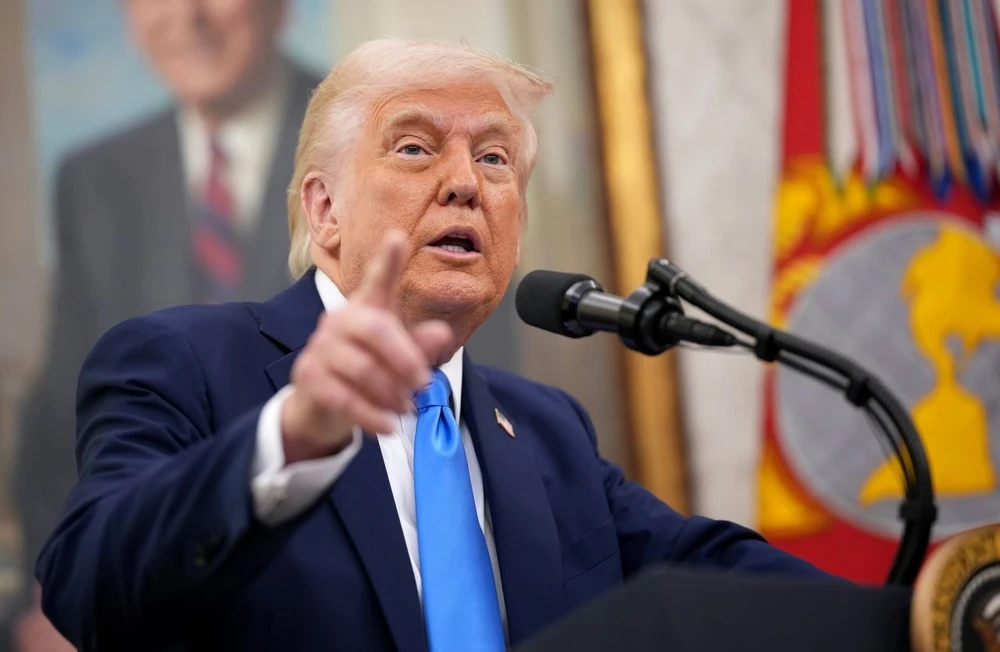
The fight has also revived a broader debate about federal oversight of state-administered aid. Supporters of tougher enforcement argue that when warning signs emerge, Washington must intervene to protect taxpayers and beneficiaries. State leaders warn that punitive measures — including the threatened withholding of funds — could disrupt legitimate services and harm vulnerable residents.
Legal scholars note that both dynamics can be true. “Aggressive enforcement is appropriate when evidence warrants it,” said one former federal prosecutor. “But claims should be grounded in filings and verdicts, not estimates circulating on cable news.” The distinction matters, they said, because inflated or unsourced figures can undermine public trust even as real cases proceed.
Minnesota’s experience echoes national tensions over immigration enforcement, election administration, and social spending, where investigations are quickly absorbed into partisan narratives. Lawmakers from both parties acknowledge that oversight has become more adversarial, with hearings and letters increasingly substituting for negotiated compliance.
For voters, the immediate questions are narrower: What did auditors flag, when were fixes made, and what controls are now in place? State agencies say they have expanded data checks, separated duties, and increased site visits. Federal officials say they will judge reforms by outcomes, not announcements.
As cases move through the courts, the facts will be tested under oath. Until then, much of the noise will continue to play out online, where claims travel faster than indictments. The coming months are likely to bring additional filings, hearings, and — perhaps most consequentially — a clearer accounting of what went wrong and what changed afterward.
For now, Minnesota’s leaders face a dual challenge: cooperating fully with investigators while persuading a skeptical public that oversight failures are being addressed — and that accountability will follow evidence, not headlines.