Washington — For months, the dominant economic narrative has emphasized resilience: steady job creation, easing inflation, and consumer spending that continues to defy predictions of collapse. Yet beyond the dashboards and quarterly reports, a different picture has been taking shape — one defined less by recession headlines than by accumulating pressure on households.
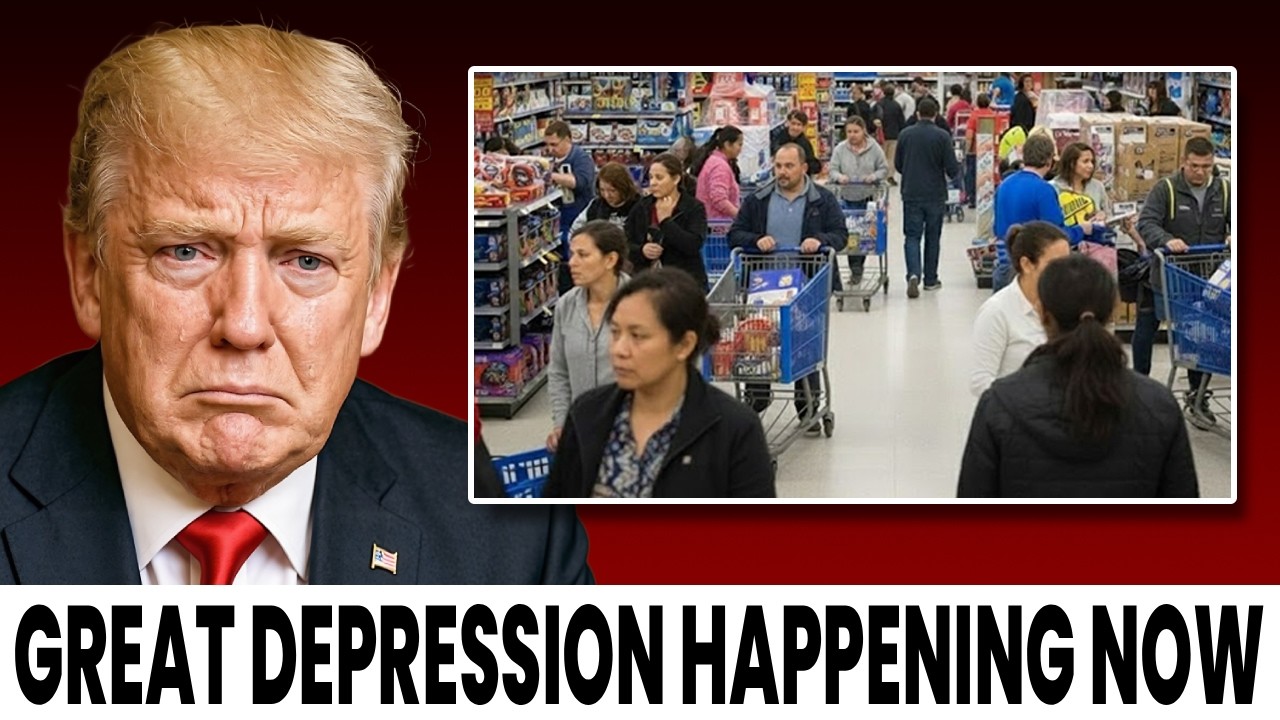
Across much of the country, families report that everyday costs are rising faster than their ability to absorb them. Rents have reset at higher levels. Health care bills and insurance premiums have climbed. Credit card balances have swelled as households rely more heavily on debt to bridge gaps between paychecks and expenses. None of these trends alone signals an economic crisis. Together, they have created a widespread sense that stability is slipping.
Official data paint a mixed picture. According to Bureau of Labor Statistics, unemployment remains low by historical standards, and wages have increased in nominal terms. Inflation, measured by headline indices, has cooled from its peak. On paper, the economy appears far from depression.
But economists caution that aggregate indicators often mask uneven impacts.
“What the top-line numbers show is an average,” said a labor economist at Princeton University. “What people are living is distribution.”
Housing costs are a central driver of that disconnect. While inflation has moderated overall, shelter costs have continued to rise in many metropolitan areas, consuming a growing share of household income. For renters, especially those who moved or renewed leases recently, the jump has been abrupt. For homeowners with fixed-rate mortgages, the picture is more stable — highlighting how timing and tenure can determine economic experience.
Health care adds another layer. Even as employment-based coverage remains widespread, deductibles and out-of-pocket costs have increased, leaving families exposed to sudden financial shocks. Medical debt, economists note, often functions as a lagging indicator of economic stress, surfacing after other coping mechanisms have been exhausted.
The result is a quiet form of strain that does not register as mass unemployment or collapsing output. Instead, it appears in secondary signs: rising delinquencies on credit cards and auto loans, increased use of buy-now-pay-later services, and greater reliance on informal support networks.
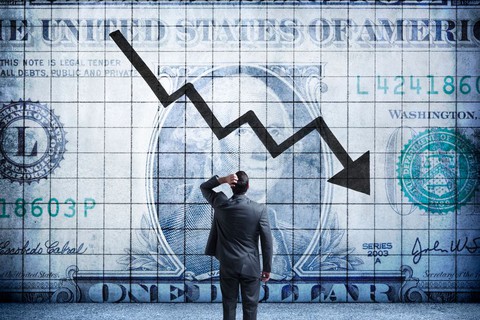
The Federal Reserve has acknowledged these pressures in recent reports, noting that lower- and middle-income households are depleting savings built up during the pandemic. While overall consumer balance sheets remain stronger than before the 2008 financial crisis, that strength is unevenly distributed.
City officials and social service providers say they see the effects daily. Demand for rental assistance, food pantries, and emergency aid has increased even in regions with robust job markets. Encampments have grown in some urban centers, existing alongside new luxury developments — a juxtaposition that has become a potent symbol of economic imbalance.
Importantly, none of this fits neatly into the historical definition of a depression. There has been no sudden collapse in production, no mass layoffs on a national scale, no financial system failure. But the absence of those markers does not mean households are not under real strain.
“This is not 1933,” said a historian of economic crises. “But it is also not the broad-based prosperity suggested by some macro indicators.”
Public frustration has been amplified by social media, where personal stories travel faster than data revisions. Videos and posts describing eviction notices, multiple-job schedules, and impossible tradeoffs between rent, medicine, and childcare have gained traction, shaping perception in ways official reports struggle to counter.
Government officials face a difficult balancing act. Overstating the problem risks undermining confidence; understating it risks appearing disconnected. Policy debates now focus less on emergency stimulus and more on structural issues: housing supply, health care costs, childcare, and wage growth relative to living expenses.
Some economists argue that the current moment exposes the limits of measuring economic health primarily through growth and employment. “We have an economy that can be expanding while a large share of people feel worse off,” said the Princeton economist. “That tension is politically and socially unstable.”
Whether this period becomes a turning point depends on choices still unfolding — interest rate policy, housing reform, labor protections, and the pace of cost growth relative to wages. For now, the experience of many households suggests that economic pain does not need to arrive all at once to be deeply felt.
The question confronting policymakers is not whether the economy is collapsing in a technical sense. It is whether an accumulation of pressures, left unaddressed, could harden into something more durable — and more damaging to trust.
As one community organizer put it, “People don’t need an official declaration to know when their lives are getting harder.”
The warning signs may not resemble past crises, but they are visible all the same — in monthly budgets that no longer balance, in savings that no longer exist, and in a growing sense that the distance between economic statistics and lived reality is widening.