A new flashpoint has emerged in the escalating North American trade dispute after officials in Ontario signaled the possibility of restricting electricity exports to the United States. The warning has sent shockwaves through energy markets and political circles alike, exposing how deeply parts of the U.S. power grid rely on Canadian energy supplies. As trade tensions intensify, the issue is rapidly transforming from an economic disagreement into a critical energy security debate.
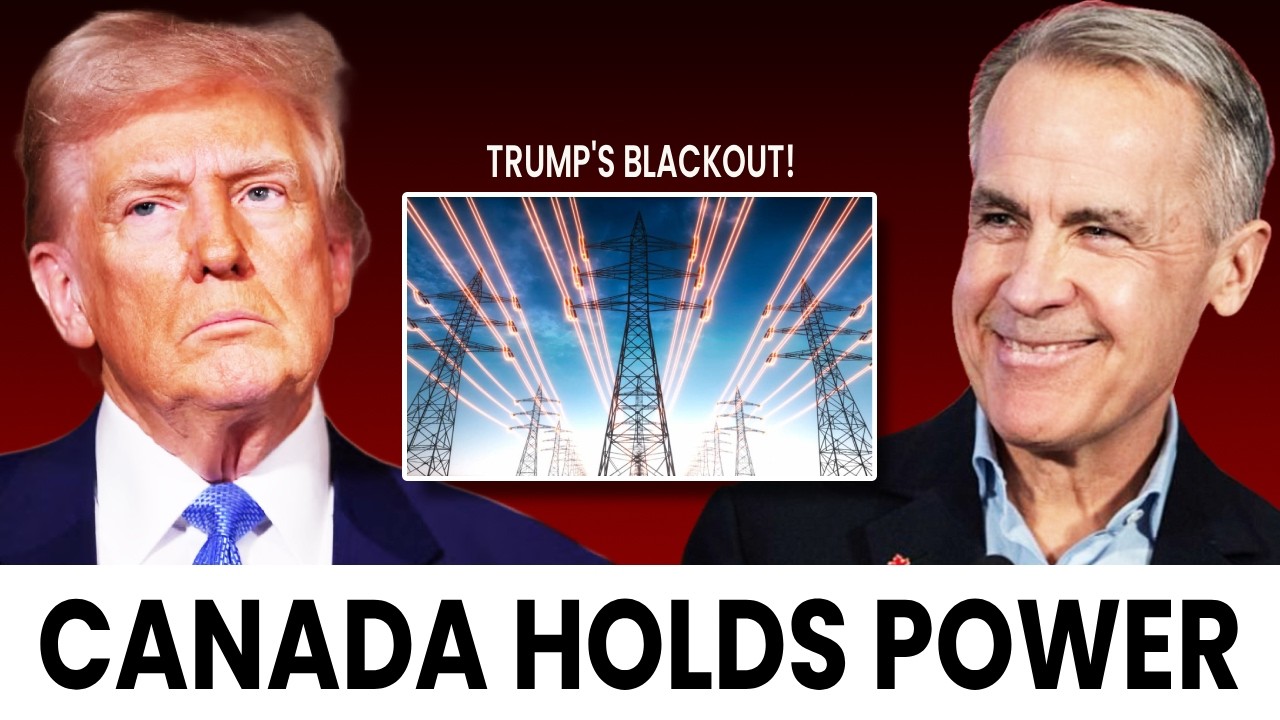
Ontario plays a vital role in cross-border electricity trade, supplying power to several U.S. states, particularly in the Midwest and Northeast regions. Through an interconnected grid built over decades, Canadian hydropower and nuclear-generated electricity help stabilize American energy demand during peak seasons. Analysts say even a temporary disruption could strain local utilities, drive up electricity prices, and increase pressure on already aging infrastructure.
The threat comes amid broader trade friction involving tariffs, natural resources, and industrial policy disputes between Washington and Ottawa. Canadian leaders argue that economic measures taken by the United States have forced provinces to reconsider how strategic resources are used in negotiations. While officials have not announced immediate action, the warning itself highlights energy exports as a powerful geopolitical lever.
Energy experts caution that the situation underscores a rarely discussed reality: North American energy independence is more interconnected than often portrayed. Despite being a major energy producer, the United States depends on Canadian electricity, crude oil, and hydropower imports to balance regional supply gaps. In states bordering Canada, cross-border energy flows are not optional—they are essential to maintaining grid reliability and preventing price volatility.
Business groups and policymakers on both sides of the border are urging restraint, emphasizing that energy cooperation has historically been one of the most stable pillars of the Canada–U.S. relationship. Disruptions could harm industries, manufacturing operations, and households in both countries. Economists warn that weaponizing energy trade risks creating long-term uncertainty that could deter investment and weaken economic integration across North America.
As negotiations continue behind closed doors, the Ontario power warning has fundamentally shifted the conversation surrounding the trade conflict. No longer limited to tariffs or manufacturing, the dispute now touches on energy security, economic resilience, and political leverage. The coming weeks may determine whether this moment becomes a temporary negotiating tactic—or a turning point that reshapes the balance of power in North America’s energy partnership.