CARNEY REFUSES TO SLOW DOWN AGAINST TRUMP — BILLION-DOLLAR DEAL SIGNALS CANADA’S STRATEGIC SHIFT
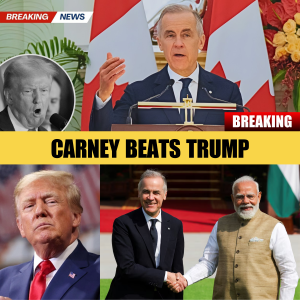
As Washington escalates tariff threats, Canada is moving in the opposite direction—and faster. Standing alongside Indian leaders, Mark Carney made clear that Ottawa will not pause its economic strategy to accommodate pressure from Donald Trump. Instead of reacting to tariffs, Carney unveiled a series of multi-billion-dollar agreements with India, signaling that Canada is actively building alternatives while the United States debates restrictions.
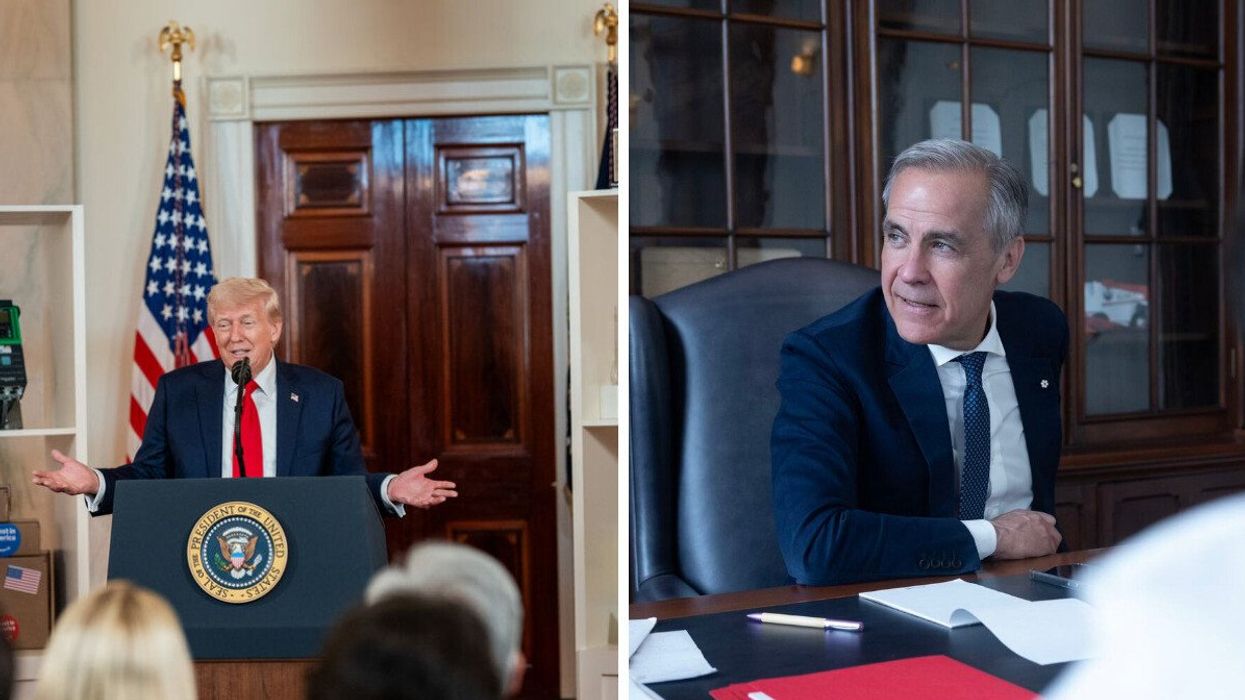
The centerpiece was a $2.6 billion uranium supply agreement involving Cameco, alongside a broader strategic energy partnership covering nuclear power, critical minerals, and clean LNG. These were not symbolic announcements. Energy, uranium, and critical minerals are leverage in today’s geopolitical economy, and by positioning Canada as a reliable supplier to India’s long-term growth plans, Carney reduced Canada’s exposure to U.S. volatility in one decisive move.
Carney framed the moment as acceleration, not repair. In less than a year, Canada–India engagement has surpassed that of the previous two decades, with repeated ministerial meetings, provincial involvement, and direct CEO-level commitments. While U.S. tariff rhetoric has focused on control and conditional access, Canada has expanded market certainty—offering Indian partners stability, scale, and predictable rules at a time when global investors are actively seeking both.
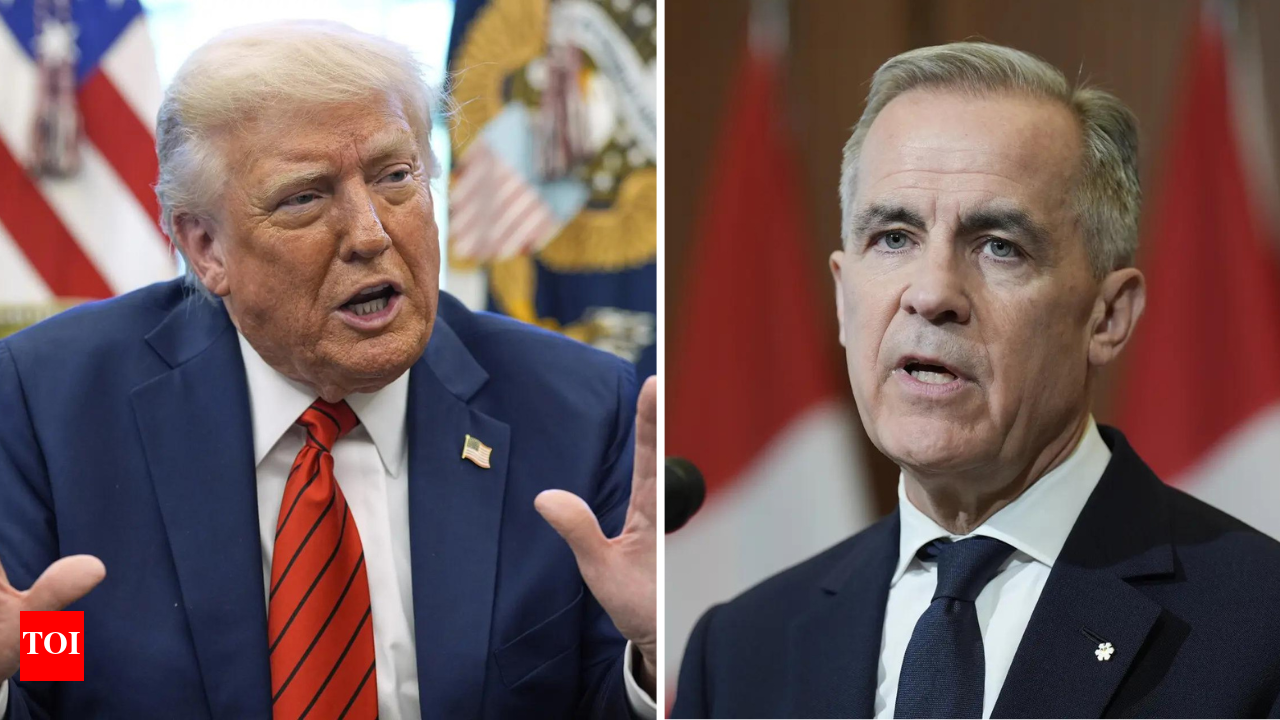
In a direct contrast to Washington’s approach, Carney highlighted Canada’s structural advantages. He told business leaders that Canada’s investment tax rate is now half the G7 average and 4.5 percentage points lower than that of the United States. He pledged regulatory reform to ensure major projects receive approvals within two years and emphasized Canada’s strongest-in-the-G7 balance sheet. With free trade agreements covering 51 countries and 1.5 billion people, the message was unmistakable: Canada is competing by lowering friction, not raising walls.
One line resonated across the room and beyond: nostalgia is not a strategy. It was a quiet dismissal of the old assumption that proximity to the U.S. market alone could guarantee prosperity. Carney stressed that agreements matter, but execution matters more—underscoring a leadership style focused on implementation under pressure rather than rhetorical escalation. While tariffs inject uncertainty, Canada is offering predictability, speed, and diversified access.
The contrast could not be sharper. Trump sought leverage through tariffs; Carney built leverage through partnerships. As Ottawa signs long-term contracts across India, Europe, and the Indo-Pacific, Canada is reshaping its global position in real time. This is not reactive politics—it is strategic redirection. And as trade alliances evolve and economic power recalibrates, Canada’s refusal to slow down may prove to be its most consequential move yet.