World Cup 2026 Faces Viral Boycott Calls as Fans Cancel U.S. Trips Over Immigration Fears
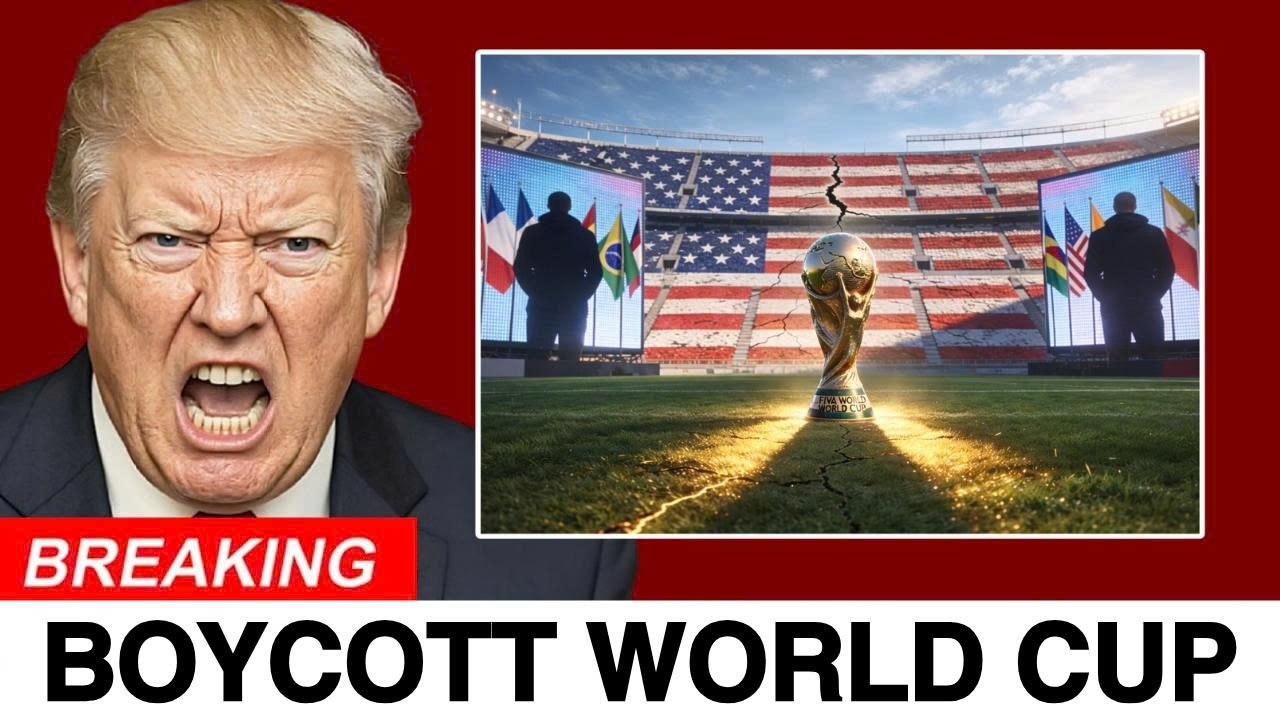
The 2026 FIFA World Cup, set to be the first jointly hosted by the United States, Canada and Mexico, was envisioned as a landmark celebration of global soccer, drawing millions to stadiums across North America. Yet a swelling online movement urging fans to boycott matches in the United States has gained traction, with reports of ticket cancellations, refunded bookings and vocal declarations of intent not to travel amid concerns over immigration policies and border enforcement.
Social media platforms have amplified personal accounts from fans in Europe, Africa, the Middle East and Asia, many citing tightened visa rules, prolonged processing times and fears of harsh questioning, detention or worse at U.S. ports of entry. Stories of visa denials — including a Nigerian supporter’s unexplained rejection and a Pakistani family’s apprehension over potential deportation risks — have circulated widely, fueling perceptions of heightened danger for certain nationalities.
Former FIFA President Sepp Blatter, who helped secure the tournament for North America, added significant weight to the backlash in late January. Endorsing comments from Swiss lawyer Mark Pieth, Blatter posted on X that fans should “avoid the United States,” suggesting better viewing on television and warning of unpredictable treatment upon arrival. “I think Mark Pieth is right to question this World Cup,” Blatter wrote, referencing concerns over immigration abuses and domestic marginalization. His intervention, from a figure once instrumental in the U.S. bid, has intensified debate.
European voices have echoed the sentiment. A vice president of the German soccer federation told a newspaper it was time to seriously consider boycotting U.S. matches. Supporter groups, including England’s Three Lions Pride, announced no visible presence at the tournament, citing free speech worries and overzealous policing. Human rights organizations like Amnesty International and Human Rights Watch have criticized perceived nationality- or religion-based barriers as antithetical to the World Cup’s ethos of unity and equality.
The Trump administration’s policies form the backdrop. An expanded travel ban restricts entry from dozens of countries — including Senegal, Ivory Coast, Iran and Haiti, all World Cup qualifiers — barring most fans unless they hold pre-existing visas. Aggressive immigration enforcement, including reported fatal shootings by federal agents during operations, has heightened anxieties. Some countries, including allies like Canada, France and the United Kingdom, have issued travel advisories for the U.S.
FIFA and national federations have largely remained silent on endorsing or rejecting the boycott, with the tournament proceeding on schedule. Matches continue to be allocated, host cities prepare and tickets sell, though organizers have introduced fast-tracked visa processes for ticket holders. FIFA has denied widespread cancellation claims as “fake news” in some instances, but anecdotal evidence and viral posts persist.
Economic stakes are enormous. The event is projected to generate billions for the U.S. economy through tourism, hospitality and local spending. Sponsors like Emirates, Visa and Adidas have invested heavily, expecting packed stadiums and global viewership. Partial boycotts could leave venues underfilled in cities like Dallas, Atlanta and Miami, hitting hotels, restaurants and temporary jobs hard. Some sponsors are reportedly reallocating marketing budgets toward Canada and Mexico, where entry policies appear more predictable and welcoming.

Canada and Mexico emerge as perceived safer alternatives. Toronto, Vancouver, Mexico City and Guadalajara promote openness, with efficient visa processes and no nationality-based restrictions. Fans from South America and Europe have expressed preferences for matches there, drawn by cultural affinity and a sense of genuine hospitality.
Whether the movement translates to material impact remains uncertain. Experts note that full boycotts by teams are improbable given financial and competitive stakes — players prioritize participation. Historical precedents, like the 2022 Qatar World Cup amid human rights criticism, saw no widespread abstentions. Yet in the social media era, perceptions can erode confidence rapidly, potentially shifting attendance patterns without formal action.
As June approaches, the boycott serves as a test of America’s soft power: its ability to attract and reassure the world. For now, the conversation highlights a tension between the unifying promise of soccer and the divisive realities of policy, with Canada and Mexico quietly positioning themselves as more reliable hosts in the eyes of many fans.