Canada’s Fighter Jet Choice Turns on a Familiar Question: Power, Reliability and Trust
OTTAWA — Canada’s long-running effort to modernize its fighter fleet has entered a new phase of scrutiny, one shaped as much by geopolitics as by engineering.
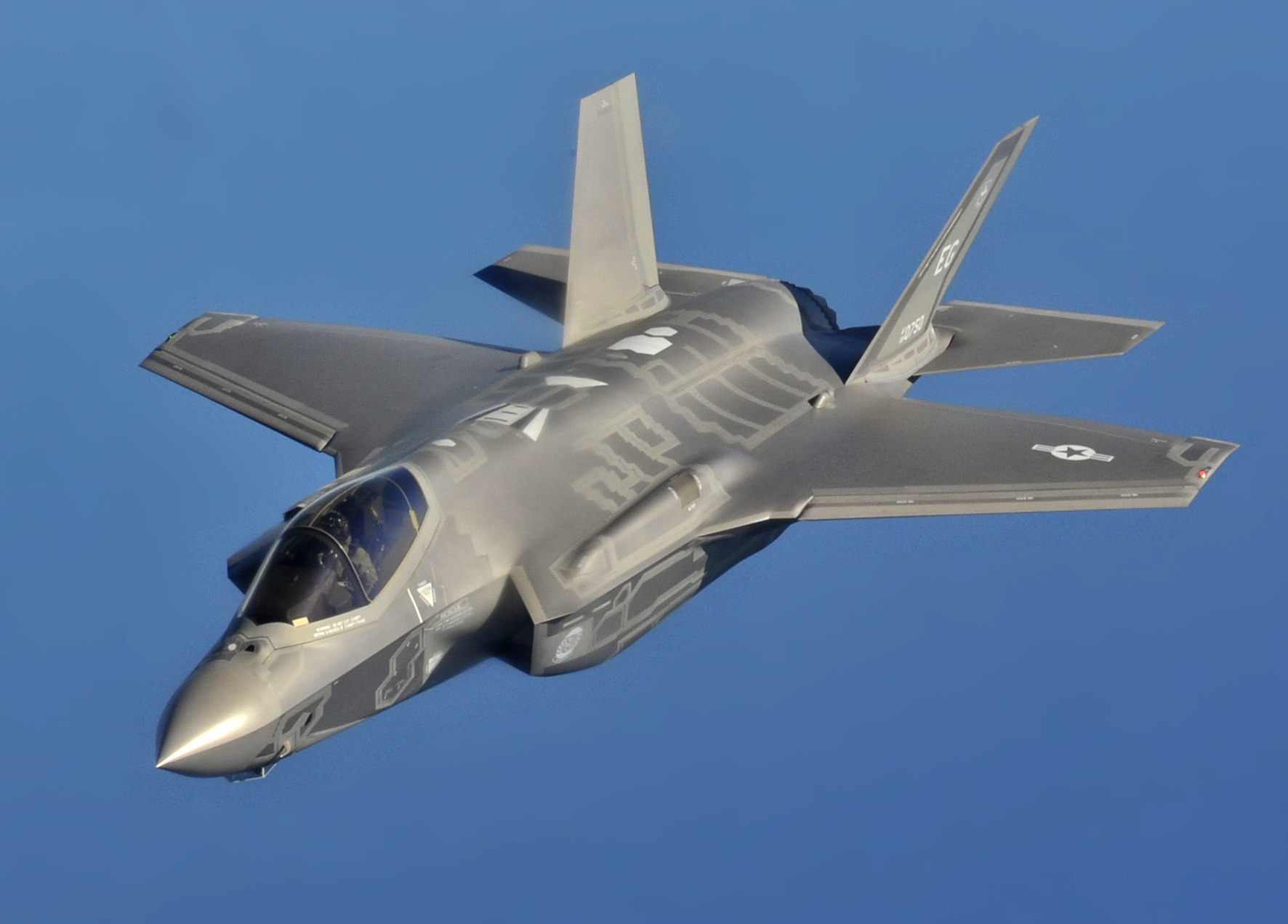
At the center of the debate are two aircraft: the Swedish-built Saab Gripen and the American-made Lockheed Martin F-35. But increasingly, the focus has narrowed to a more elemental question: the engine.
The review ordered by Prime Minister Mark Carney of Canada’s F-35 contract — a deal originally struck with Washington — comes at a delicate moment in U.S.-Canada relations. Trade tensions under President Trump have prompted fresh debate in Ottawa about strategic dependence on American defense suppliers. That political undercurrent now intersects with technical concerns about production delays, upgrade costs and long-term sustainability.
For Sweden’s Gripen, the argument begins with reliability. The earlier Gripen C and D models are powered by the RM12 engine, a Volvo-built derivative of General Electric’s F404. According to Swedish aerospace officials, the engine has accumulated more than 300,000 flight hours without a single engine-caused catastrophic accident. For a single-engine fighter jet — where power-plant failure can mean the loss of aircraft and pilot — that statistic carries unusual weight.

The newer Gripen E uses the F414 engine, also from General Electric’s lineage, offering higher thrust and improved fuel efficiency. Swedish engineers emphasize the engine’s adaptability, including successful testing on 100 percent biofuel, as evidence of long-term flexibility. Maintenance philosophy has also been central to Saab’s pitch: modular servicing, preventive diagnostics and the ability to operate with limited infrastructure — an appealing feature for nations concerned about dispersed operations in wartime.
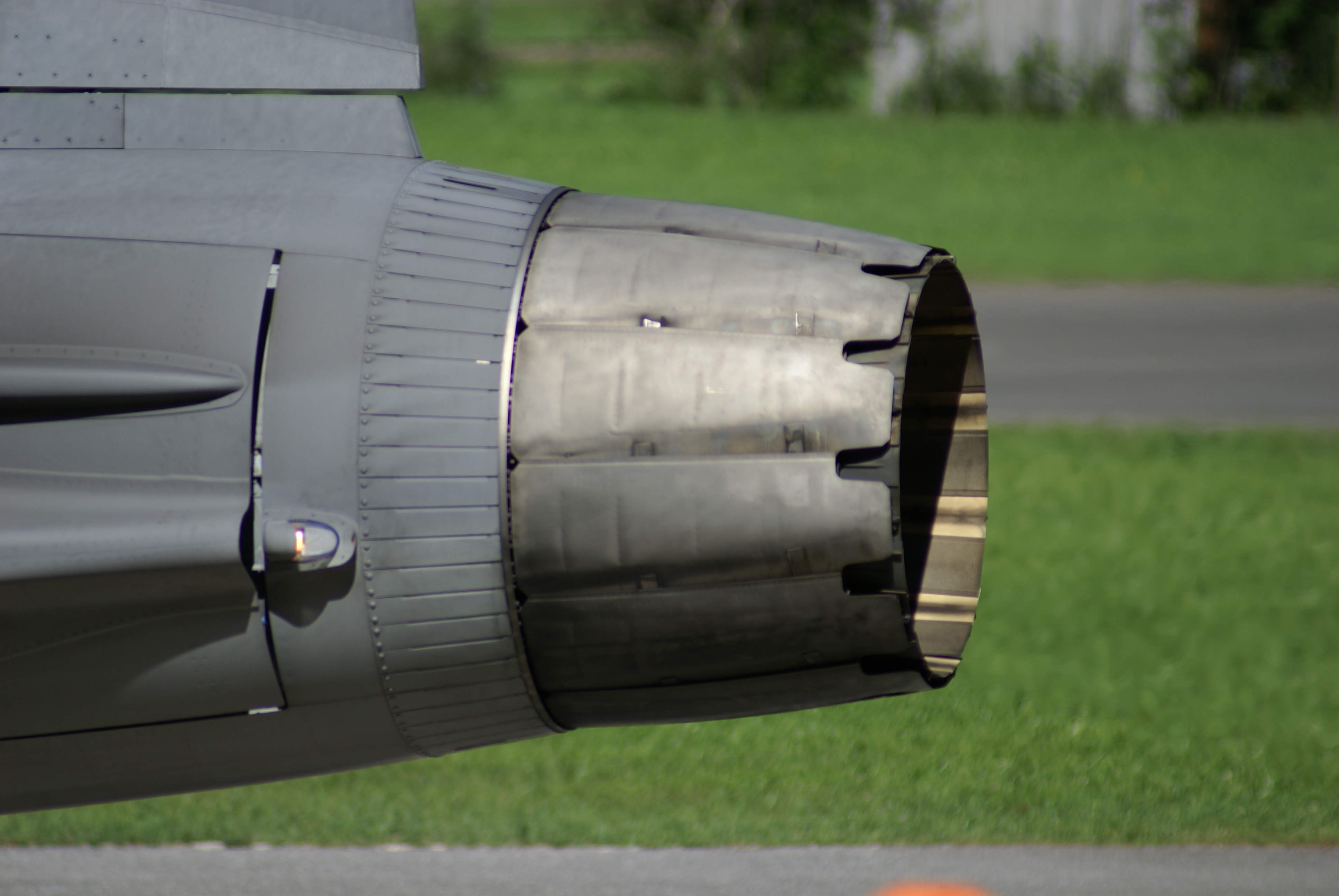
By contrast, the F-35 relies exclusively on the F135 engine built by Pratt & Whitney. The engine has logged more than 1.7 million flight hours across the global F-35 fleet, a scale unmatched by the Gripen. Yet the program has struggled with delays and cost growth tied to its modernization roadmap.
In 2024, all F135 engines delivered to the Pentagon reportedly arrived behind schedule, with average delays stretching months. The Government Accountability Office has raised concerns about contract structures that allow performance fees even when deliveries slip beyond original deadlines. Meanwhile, a planned core upgrade — intended to provide additional power and cooling capacity for the F-35’s forthcoming Block 4 enhancements — has seen projected costs rise by billions of dollars and timelines extend into the latter part of the decade.
The F-35’s defenders note that it is a far more complex aircraft than its competitors, designed as a stealth-enabled, sensor-fused platform integrated into NATO’s broader networked warfare architecture. Its engine must power advanced avionics, electronic warfare systems and data-processing loads that exceed those of fourth-generation fighters. Upgrading such a system is, by definition, an intricate and expensive undertaking.
Still, critics argue that engine constraints ripple across the entire enterprise. Production slowdowns have left aircraft waiting on assembly lines. Some U.S. lawmakers have publicly questioned whether purchasing fewer jets in the near term may be preferable to accepting incomplete capabilities that will require retrofits later.
For Canada, the issue is not only performance but sovereignty. The F-35 represents integration into a vast American-led ecosystem, with centralized logistics and software management. The Gripen, by contrast, is marketed as offering greater operational independence and domestic industrial participation. Saab has suggested that Canadian firms could assume a larger role in maintenance and upgrades, potentially insulating Ottawa from future supply-chain disruptions.
Yet the decision is hardly binary. The F-35 is already operated by a growing number of allied air forces, from Europe to the Indo-Pacific, creating interoperability advantages that Sweden’s platform cannot fully match. Canadian pilots training alongside NATO partners would benefit from shared tactics, spare parts pools and standardized systems.
Ukraine’s wartime experience has added urgency to the conversation. Ukrainian pilots evaluating Western aircraft have reportedly paid close attention to engine reliability and ease of maintenance under austere conditions. In high-threat environments, confidence in takeoff thrust and landing stability is not an abstraction but a matter of survival.
Engine performance rarely captures public imagination. It lacks the visual drama of stealth contours or supersonic maneuvers. But in defense procurement, propulsion systems often determine whether grand strategies succeed or stall. An aircraft grounded by supply delays or maintenance bottlenecks is no deterrent at all.
Canada’s review is expected to weigh financial exposure, alliance commitments and industrial benefits alongside technical benchmarks. Behind closed doors, officials are likely parsing spreadsheets as closely as flight data: delivery timetables, sustainment projections, upgrade pathways.
What emerges is less a contest between two airframes than a referendum on trust — in timelines, in partners, in the durability of supply chains under political strain.
Three hundred thousand flight hours without a catastrophic engine failure is a powerful statistic. So, too, is the scale and reach of a multinational program that has reshaped Western airpower. Canada’s choice will signal not only which jet it believes can fly farther and fight smarter, but which system it trusts to endure.