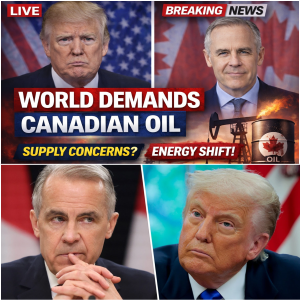
Ottawa — Canada on Monday declined a U.S. proposal that would have lifted tariffs and restored certain bilateral security arrangements in exchange for a 10-year guarantee of Canadian energy exports at current levels and pricing parameters, marking a significant moment in North American economic relations.
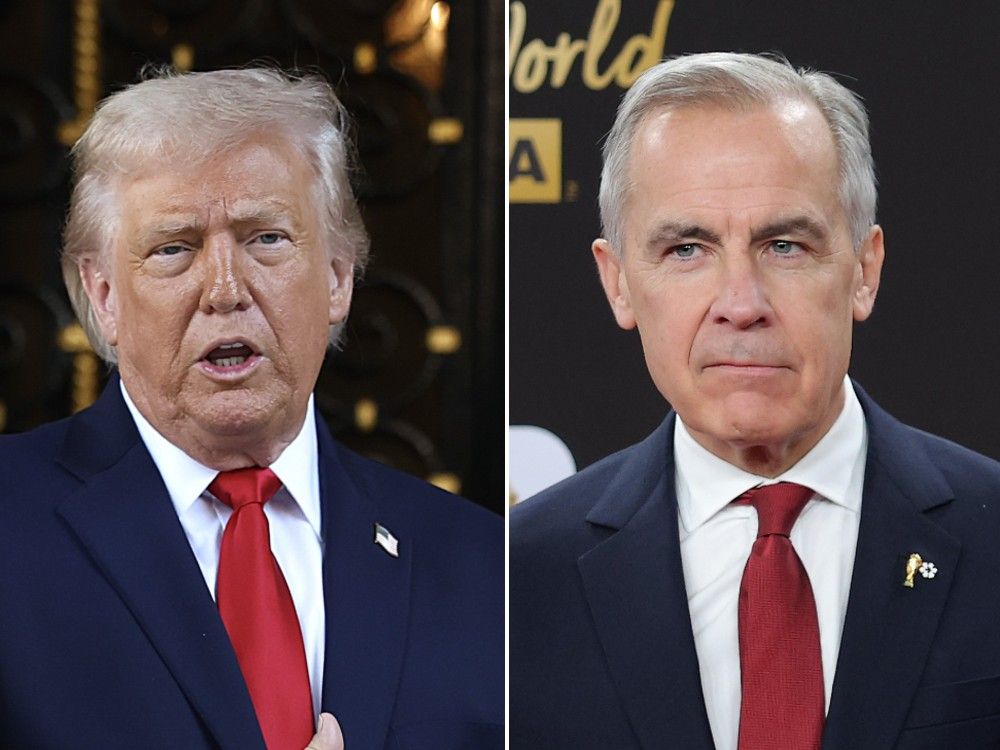
According to a statement released by the White House earlier in the day, U.S. President Donald Trump had proposed suspending tariffs on Canadian goods, reaffirming commitments to the North American Aerospace Defense Command (NORAD), and restoring full intelligence sharing between the two countries. In return, Washington requested a contractual commitment that Canada maintain existing export volumes of crude oil, natural gas and electricity to the United States for the next decade, with pricing caps and financial penalties in place for non-compliance.
The proposal reportedly included minimum export levels broadly aligned with current flows and a price framework limiting premiums relative to other buyers. U.S. officials described the offer as a means of stabilizing trade relations while securing long-term energy supply predictability.
Less than two hours after the White House statement, Canadian Prime Minister Mark Carney addressed reporters in Ottawa and confirmed that Canada would not accept the proposed arrangement.
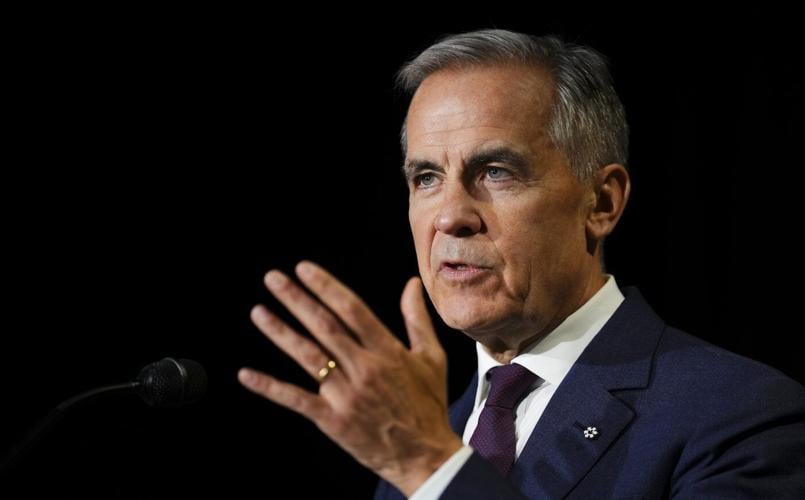
Carney said that while Canada remains committed to constructive engagement with the United States, decisions regarding the production, pricing and destination of Canadian natural resources must remain under Canadian jurisdiction. He characterized the request for binding long-term export guarantees as inconsistent with Canada’s constitutional framework and long-term economic interests.
Under Canada’s constitutional structure, natural resources fall largely under provincial authority. While the federal government plays a role in international trade agreements, resource management decisions involve provincial governments and regulatory processes. Carney indicated that committing to fixed export terms for a decade could constrain Canada’s future policy flexibility.
He also stated that Canada is evaluating energy purchase expressions of interest from multiple international partners. Although he did not provide specific timelines, he said Canada intends to pursue “competitive and diversified markets” for its energy exports.
Energy markets responded quickly to the developments. Benchmark West Texas Intermediate crude futures rose more than 7% shortly after the announcement, while U.S. natural gas futures for Midwest delivery posted double-digit percentage gains. Shares of several U.S. refining companies with exposure to Canadian crude declined in afternoon trading.

Energy analysts note that the United States relies heavily on Canadian crude, particularly heavy grades produced in Alberta’s oil sands. Many refineries in the U.S. Midwest and Gulf Coast were engineered to process these grades. While alternative supplies exist globally, adjusting refinery configurations can require significant capital investment and time.
At the same time, infrastructure constraints limit Canada’s short-term ability to redirect large volumes of energy exports. Existing pipeline networks, including major cross-border systems, were developed primarily to move crude and natural gas south into the U.S. market. Export diversification would likely require additional pipeline capacity, expanded liquefied natural gas terminals, or new port facilities on the Pacific and Atlantic coasts.
Canadian officials have previously discussed accelerating infrastructure projects that would facilitate access to Asian and European markets. Such projects typically involve regulatory approvals, environmental assessments, financing arrangements and construction timelines that can span multiple years. However, proponents argue that expanded export options could enhance Canada’s bargaining position and reduce reliance on a single dominant buyer.
The broader implications extend beyond energy. The U.S. proposal linked tariff relief and security cooperation with long-term resource guarantees, reflecting the deep integration of economic and defense ties between the two countries. Canada and the United States are longstanding allies with one of the world’s largest bilateral trading relationships, as well as extensive cross-border supply chains in automotive manufacturing, agriculture and critical minerals.
Trade tensions in recent months have introduced uncertainty into that relationship. Analysts say the current episode underscores differing approaches to leverage in economic negotiations. While the United States remains Canada’s largest trading partner by a wide margin, Canada is one of the largest foreign suppliers of energy to the U.S. market.

Some market participants view the situation as a negotiating phase rather than a permanent shift. A competitive bidding scenario could emerge in which multiple buyers, including the United States, submit long-term supply agreements under revised terms. Alternatively, Canada could accelerate infrastructure investments that gradually expand export optionality, altering the balance of influence over time.
For now, both governments have signaled that dialogue remains open. The White House did not immediately outline next steps following Canada’s decision, though officials reiterated the importance of energy security and stable trade conditions. Canadian officials emphasized that cooperation with the United States continues across defense, intelligence and regulatory domains.
The outcome will likely depend on whether the two sides can reconcile differing priorities: the United States’ interest in long-term supply predictability and Canada’s emphasis on sovereign control and market flexibility. Given the scale of cross-border energy flows and the technical realities of infrastructure and refinery configuration, abrupt changes are unlikely in the immediate term.
Nevertheless, Monday’s exchange represents a noteworthy recalibration in tone and positioning between two deeply integrated economies. Whether it leads to a revised agreement, expanded market competition, or incremental diversification will shape North American energy dynamics in the years ahead.