JUST IN: TRUMP DEMANDS PERMANENT TARIFFS — CARNEY’S ANSWER LEAVES WASHINGTON SPEECHLESS
For three decades, Canada and the United States operated under a simple economic promise: goods would move freely, supply chains would stay integrated, and both countries would benefit. That era was jolted this week when Donald Trump, speaking before Congress, declared that tariffs were no longer a negotiating tool but a permanent policy. The message to Canada was blunt: accept higher costs to access the U.S. market or walk away from the most important trade relationship in North America.
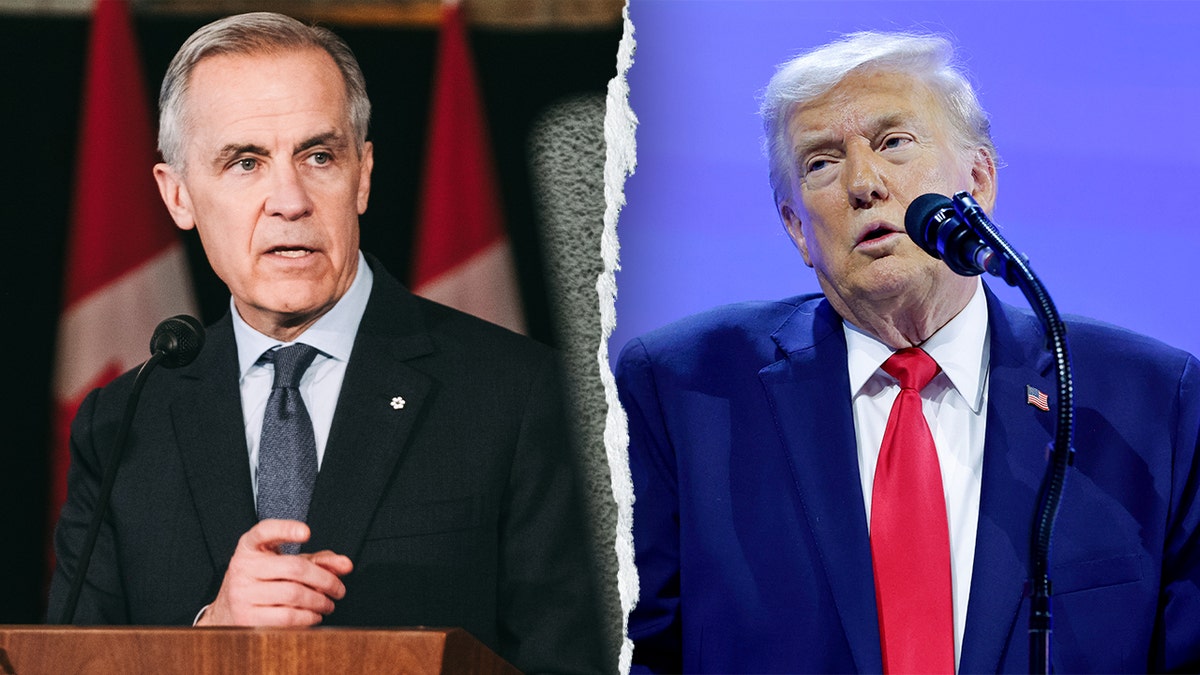
The timing was striking. Just days earlier, the U.S. Supreme Court had struck down Trump’s largest tariffs as unconstitutional, ruling that emergency powers were misused. Trump responded by immediately invoking a different, rarely used trade law to impose a new global tariff, signaling that court rulings would not alter his strategy. His trade representative soon made Washington’s position explicit: any future deal with Canada would begin with permanent tariffs already baked in.
At the center of the dispute is the Canada–U.S.–Mexico trade framework that replaced NAFTA in 2020. Under that agreement, roughly 90 percent of Canadian exports cross the border tariff-free, supporting auto plants in Ontario, steel mills in Hamilton, farms across the Prairies, and forestry operations in British Columbia. Washington is now openly questioning whether that system should survive at all, even though Trump himself once praised it as “the best trade deal ever made.”
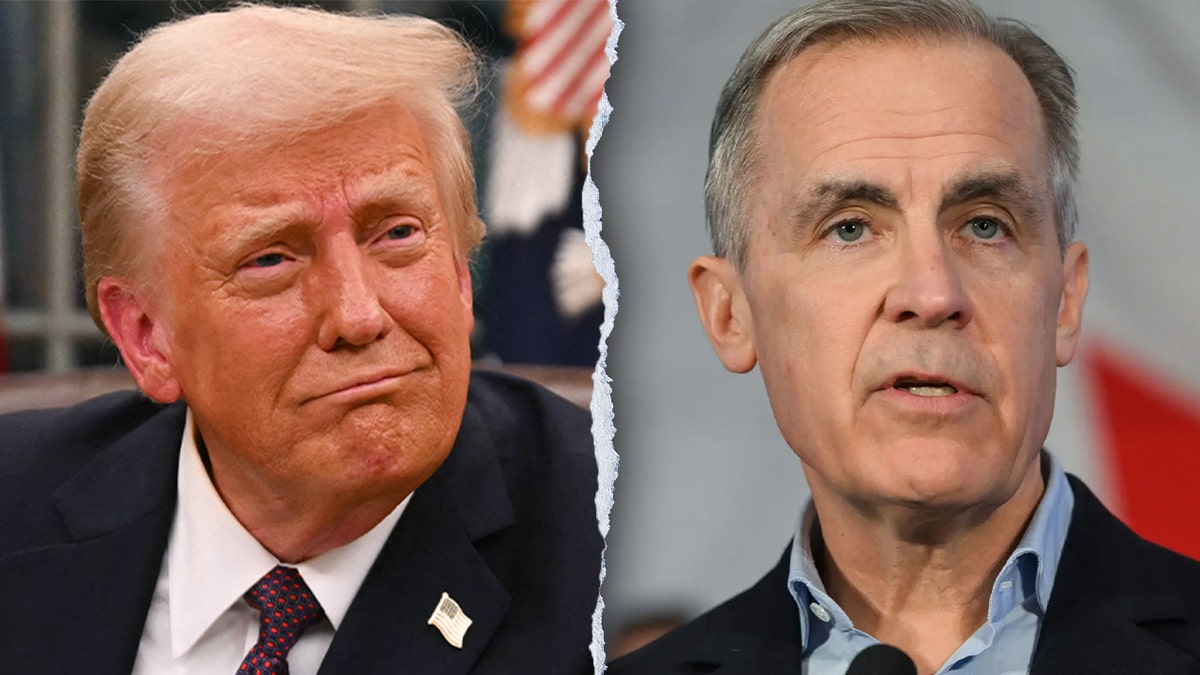
Mark Carney did not respond with outrage or panic. Instead, his answer was structural. Months before Washington formalized its demand, Carney quietly assembled a high-powered trade team, appointed veteran negotiators, and intensified talks with partners beyond the United States. New economic agreements with Asia, the Middle East, and Latin America have already reopened markets for Canadian energy, agriculture, and manufacturing, reducing dependence on a single buyer.
Carney has also positioned Canada within a much broader strategic vision. At the World Economic Forum in Davos, he argued that the global order had entered a rupture, not a transition, and that middle powers must build alternatives rather than wait for permission. That message resonated far beyond Canada, earning praise from European and Indo-Pacific leaders and signaling to Washington that Canada is no longer negotiating from a position of vulnerability alone.
The stakes are enormous. Permanent tariffs would raise costs for Canadian workers and consumers, but they would also hit American farmers, manufacturers, and households that rely on Canadian inputs. With a July 1 deadline approaching for trade decisions, the question is no longer whether pressure will be applied, but whether it will work. Canada’s answer, carefully built and calmly delivered, suggests that this time Washington is confronting a partner with options—and that reality is beginning to sink in.