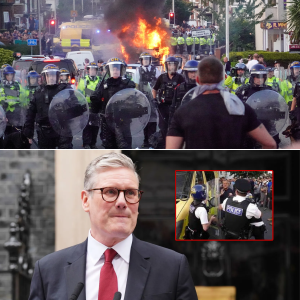
A political firestorm erupted across Britain after influencer and former kickboxer Andrew Tate delivered a blistering online monologue accusing national leaders of deliberately engineering immigration chaos.

In a video that spread across multiple platforms within minutes, Tate directly targeted Keir Starmer, alleging complicity rather than incompetence in handling irregular migration.
Tate asserted without presenting evidence that powerful financial elites intentionally flood Britain with undocumented migrants to weaken civic cohesion and entrench political control.
He claimed that mass immigration is not policy failure but calculated strategy, arguing that destabilization benefits oligarchs who profit from economic volatility.
According to Tate, these unnamed actors allegedly manipulate markets, short the pound, and acquire undervalued assets during periods of social strain.
The speech escalated further when he described immigration pressures as a form of controlled demolition aimed at consolidating influence in the hands of hidden power networks.
Media outlets quickly characterized the remarks as conspiracy rhetoric lacking substantiation, prompting intense debate about responsibility and platform amplification.
Supporters applauded the influencer’s blunt tone, insisting he articulated suspicions many citizens privately harbor about elite interests and political transparency.
Critics countered that sweeping claims without verifiable proof risk inflaming public anger and eroding trust in democratic institutions.
Government spokespeople dismissed the allegations categorically, stating that immigration policy results from legislative processes and complex international obligations rather than covert schemes.
Economic analysts rejected assertions that coordinated financial sabotage accompanies migration policy, noting that currency markets respond to diverse macroeconomic variables.
Nevertheless, Tate’s message resonated powerfully among segments of the public frustrated by housing shortages, public service strain, and visible border management challenges.
Online clips of his remarks accumulated millions of views, with hashtags linking immigration, corruption, and national decline trending throughout the day.
Some commentators warned that conflating legitimate policy criticism with narratives of secret puppet masters blurs the line between skepticism and misinformation.
Others argued that dismissing public concern as paranoia further alienates voters who feel unheard by mainstream political discourse.

Political scientists observe that populist messaging often thrives during periods of rapid demographic change and economic uncertainty.
Tate’s framing positions elites as antagonists in a dramatic struggle between ordinary citizens and entrenched power.
Yet experts emphasize that immigration flows are influenced by global conflicts, labor demands, and legal asylum obligations rather than singular conspiratorial directives.
Civil society organizations expressed concern that rhetoric portraying migrants as instruments of sabotage could fuel hostility toward vulnerable communities.
Supporters responded that questioning policymaking motives does not equate to animosity toward individuals seeking opportunity or refuge.
The intensity of reaction highlights the depth of division surrounding immigration in contemporary Britain.
Parliamentarians from multiple parties urged measured dialogue grounded in evidence rather than inflammatory accusation.
Financial regulators also noted that market movements tied to currency valuation reflect interest rates, inflation data, and geopolitical developments.
Nonetheless, narratives linking migration to orchestrated economic collapse have circulated in online forums for years, predating Tate’s latest intervention.
Sociologists suggest such theories gain traction when institutional trust declines and transparency feels insufficient.
The Prime Minister refrained from naming Tate directly but reaffirmed that immigration challenges require practical reform rather than sensational speculation.
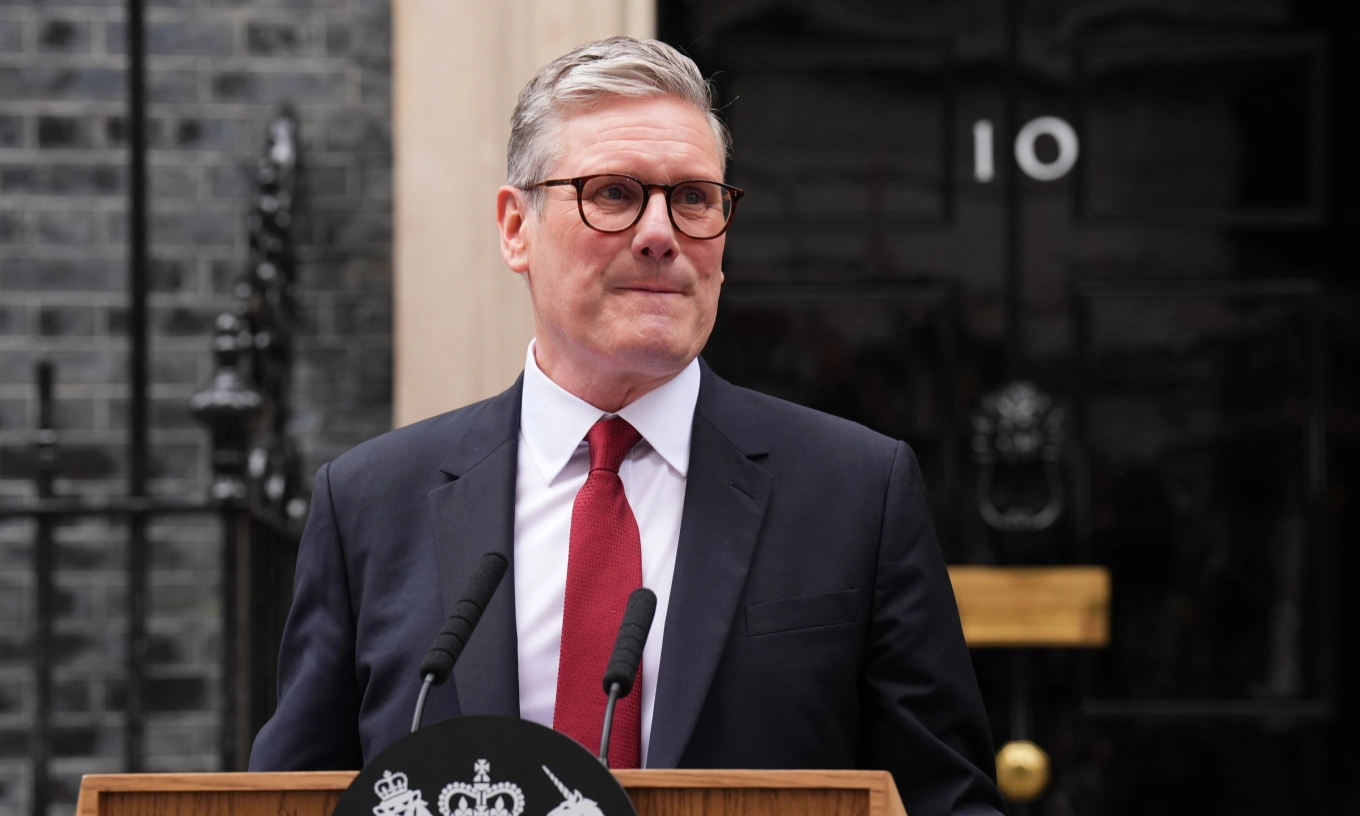
Opposition figures criticized what they called reckless commentary that distracts from constructive policy debate.
Meanwhile, supporters of the influencer argued that mainstream leaders often avoid uncomfortable conversations about border enforcement capacity.
Debate programs across television networks dissected each component of the speech, inviting analysts to separate verifiable facts from rhetorical flourish.
Immigration lawyers reiterated that removal processes, asylum adjudication, and work visas operate within statutory frameworks subject to judicial oversight.
They cautioned that portraying these mechanisms as clandestine manipulation oversimplifies intricate legal systems.
At the same time, polling indicates that significant numbers of voters desire clearer communication about migration numbers and enforcement outcomes.
Tate’s remarks therefore intersect with genuine anxieties even as his broader conclusions remain contested.
Digital platforms faced renewed scrutiny regarding algorithms that elevate provocative content likely to drive engagement regardless of factual grounding.
Free speech advocates defended the right to voice controversial opinions, stressing that counter argument rather than censorship should address disputed claims.
Community leaders urged calm, reminding citizens that robust debate must not devolve into hostility toward neighbors of diverse backgrounds.
The conversation has expanded beyond Tate himself to encompass deeper questions about transparency, accountability, and elite influence in modern governance.
Economic historians note that accusations of hidden financial cabals have surfaced repeatedly during past crises, often without credible substantiation.
Yet dismissing every allegation outright may fail to address legitimate calls for clearer oversight of lobbying and political funding.
Calls for reform in party financing and greater disclosure of donor relationships have gained renewed momentum amid the uproar.
Meanwhile, migrant advocacy groups expressed apprehension that heated rhetoric could intensify discrimination or harassment.
They emphasized the distinction between policy critique and narratives casting entire populations as strategic pawns.
Political communication experts argue that emotionally charged framing can outpace fact checking in shaping perception.
Once a claim resonates at scale, debunking or contextualizing it becomes far more challenging than preventing its initial spread.
Still, the controversy has compelled mainstream leaders to articulate more detailed explanations of immigration management strategies.
Parliamentary committees are expected to revisit enforcement metrics, processing backlogs, and integration programs in upcoming sessions.
Whether this episode strengthens democratic engagement or deepens mistrust depends largely on how leaders respond substantively rather than rhetorically.
For now, Britain remains engulfed in a fierce argument about motive, power, and national direction.
Andrew Tate’s thunderous indictment has not provided evidence of clandestine orchestration, yet it has undeniably amplified public scrutiny of political leadership.
In a climate already charged with economic pressure and cultural debate, such allegations reverberate with extraordinary force.
The challenge facing Britain is to channel intense emotion into informed policy discourse without surrendering to unverified narratives.
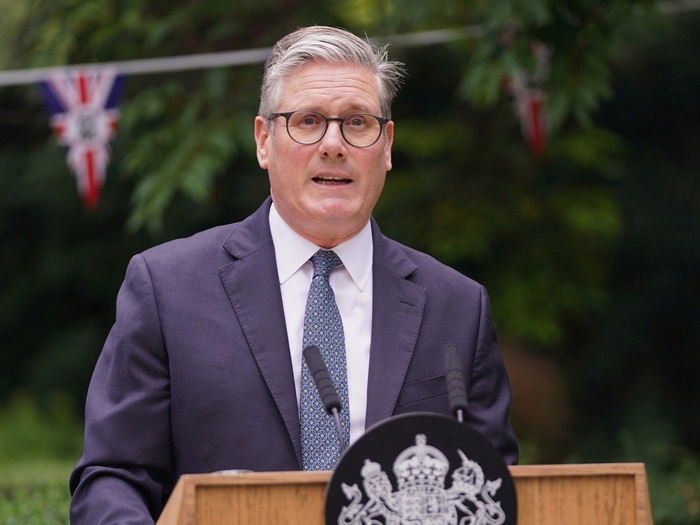
As voices clash across media and Parliament alike, one reality stands evident: immigration remains among the most combustible issues shaping the nation’s political future.