NATO officials moved quickly on Friday to tamp down speculation after an emergency meeting in Brussels approved the creation of a new alliance funding mechanism proposed by Prime Minister Mark Carney. The initiative, known as the Alternative Security Partnership Fund, is designed to supplement existing NATO structures by pooling voluntary contributions from member states for specific security projects.
The vote, which passed with broad support among European members, immediately drew attention in Washington, where aides to President Donald Trump expressed concern about governance details and the potential erosion of American influence within the alliance. While the United States remains NATO’s largest military contributor, the new fund operates under qualified majority rules rather than the traditional consensus model that has historically given Washington effective veto power.
NATO Secretary General Mark Rutte described the mechanism as “an instrument of flexibility, not division,” emphasizing that it does not replace the alliance’s core command structures or collective defense commitments. “This fund is designed to address capability gaps quickly,” Mr. Rutte said at a press briefing, noting that member states had sought faster pathways to finance cyber defense, satellite infrastructure and emerging security technologies.
The speed of the decision startled many observers. The meeting was convened with less than a day’s notice, and American diplomats had reportedly sought to delay the vote pending further consultation. According to several European officials, the initiative gained momentum after concerns mounted about policy unpredictability in Washington, particularly around tariffs and defense burden-sharing rhetoric.
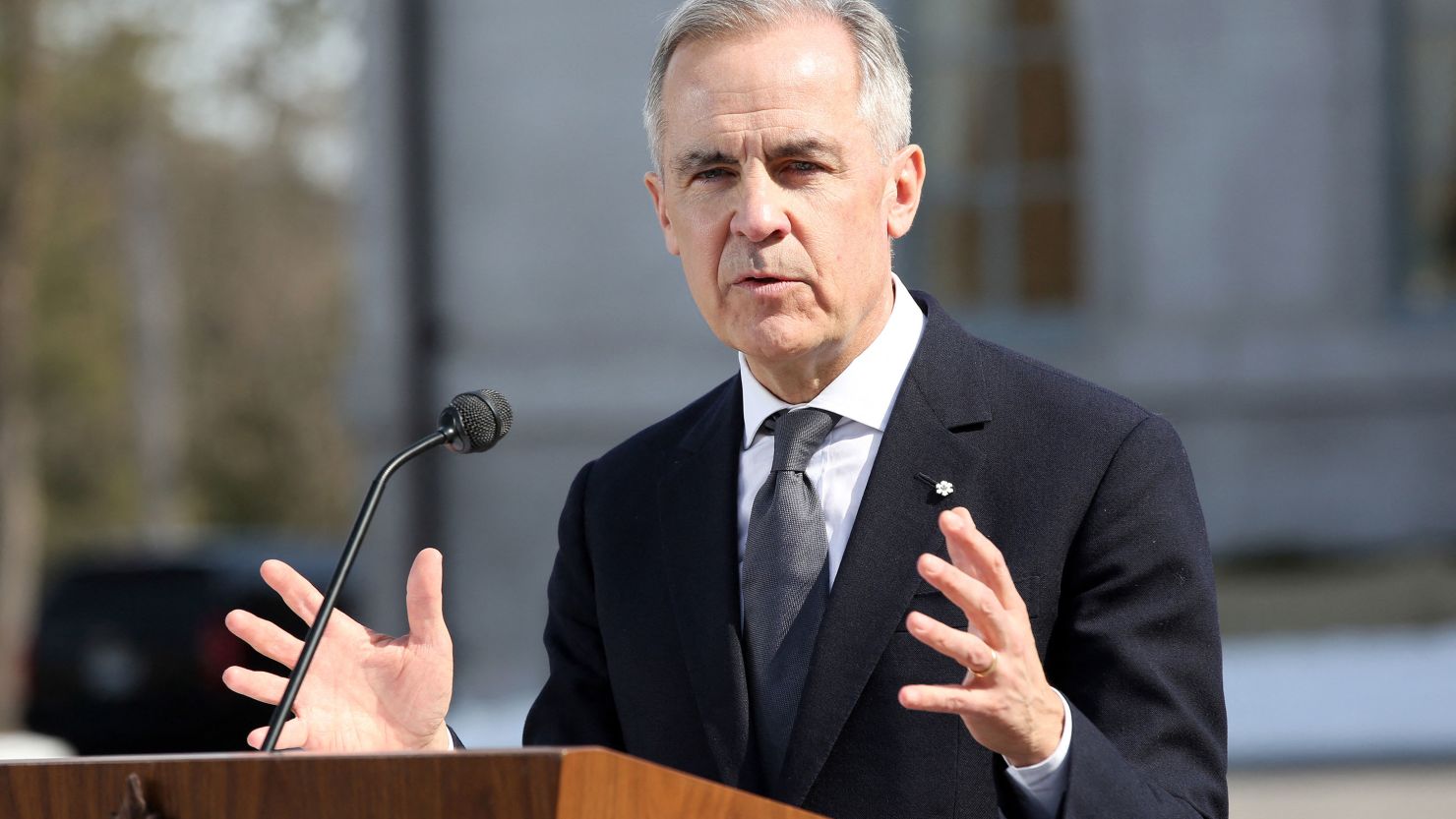
Mr. Carney, speaking outside NATO headquarters, framed the fund as a safeguard rather than a challenge. “The Alternative Security Partnership Fund strengthens NATO by ensuring that no member state faces a credible threat without access to resources,” he said. Canada has already signaled its intent to submit a proposal for Arctic surveillance upgrades and expanded cyber capabilities under the new framework.
For decades, NATO has operated on a consensus principle that effectively granted the United States a decisive role in shaping major decisions. The creation of a parallel funding channel — even one formally nested within the alliance — marks a subtle but meaningful institutional shift. “It introduces optionality,” said a European defense analyst who has advised multiple member governments. “Optionality changes leverage.”
In Washington, the initial reaction was measured but uneasy. A White House statement said the administration was “deeply disappointed” by the vote and warned that parallel mechanisms could complicate alliance unity. The Pentagon, however, adopted a more pragmatic tone, affirming continued American commitment to NATO operations and pledging to work with allies “through all appropriate channels.”
The divergence in tone reflects an internal debate. Some administration officials argue that the fund dilutes U.S. leadership at a time when global threats require coherence. Others note that the United States retains enormous structural influence through troop deployments, intelligence networks and nuclear deterrence. “NATO without the U.S. is still unimaginable,” one senior defense official said privately. “But NATO with more European initiative is a reality we have to manage.”
European governments appear to view the fund less as a repudiation of American leadership than as insurance against volatility. Smaller member states in Eastern Europe have long sought mechanisms that reduce their exposure to shifts in U.S. domestic politics. By allowing qualified majority decisions on funding allocations, the new structure lowers the barrier to action while keeping all members formally within the same alliance.
Whether the Alternative Security Partnership Fund becomes a transformative pillar or a modest supplement will depend on how it is used. If major defense projects migrate into the new channel and attract sustained capital, it could gradually rebalance internal power dynamics. If contributions remain limited, the move may be remembered as a symbolic assertion of autonomy rather than a strategic overhaul.
What is clear is that the alliance has entered a new phase. The United States remains indispensable to NATO’s military architecture, but the presumption of uncontested dominance has softened. As Mr. Carney’s proposal illustrates, influence in modern alliances is not only about scale; it is about structure. And structure, once altered, tends to endure.