A Diplomatic Flashpoint Tests the Resilience of the Canada–U.S. Trade Relationship
What began as a few words in a diplomatic exchange quickly reverberated across markets, ministries, and boardrooms on both sides of the border. In recent days, comments attributed to PETE HOEKSTRA, the United States ambassador to Canada, set off a wave of speculation that the nearly $500 billion Canada–U.S. trade relationship was facing an abrupt rupture, prompting emergency meetings in Ottawa and anxious monitoring in Washington.
The remark, described by officials familiar with the matter as “undiplomatic and unusually blunt,” circulated widely on social media, where it was framed as an insult to Canada’s economic leverage. Within hours, the episode had taken on a life of its own. Analysts warned of supply-chain disruptions, exporters reported delays at crossings, and investors briefly pushed down shares in transportation, energy, and manufacturing firms with heavy cross-border exposure.
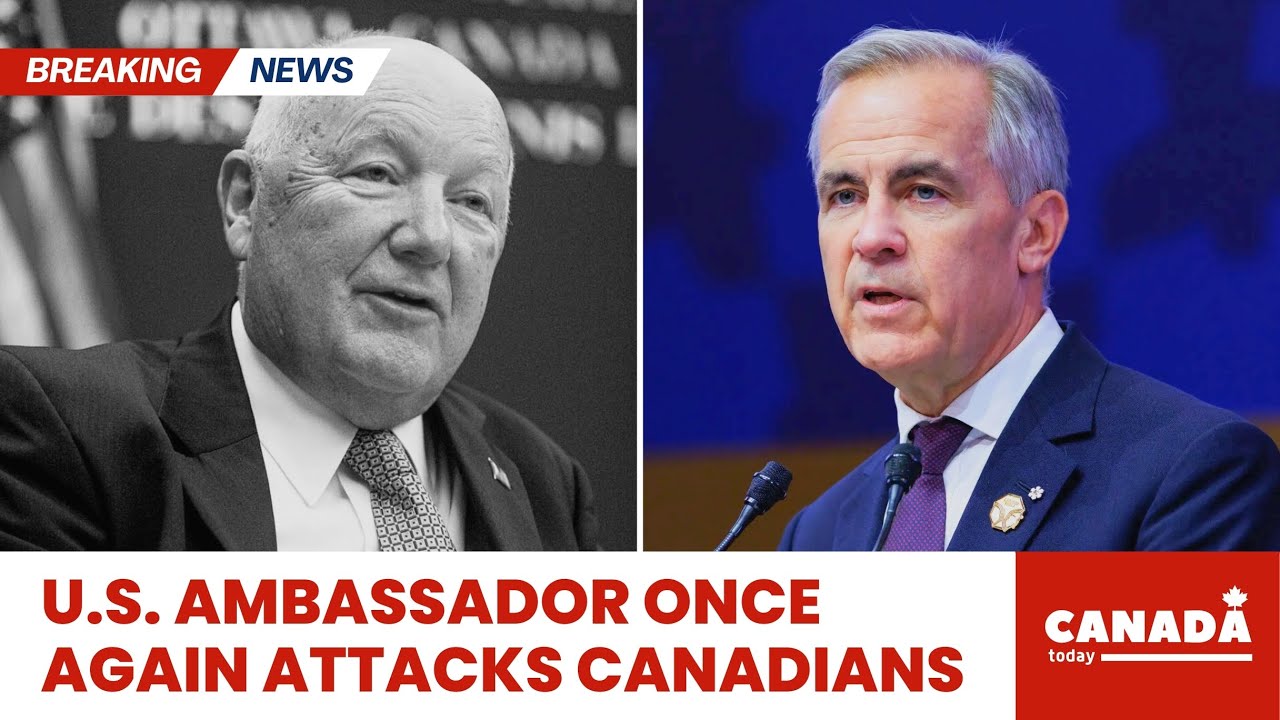
Canadian officials moved quickly to contain the fallout. PRIME MINISTER MARK CARNEY, according to senior aides, convened a late-night meeting of trade, finance, and foreign-affairs advisers to assess the situation. While there was no formal announcement of a trade freeze, Ottawa signaled that it was reviewing regulatory and permitting frameworks governing sensitive sectors, including critical minerals, energy infrastructure, and advanced manufacturing.
“The message internally was one of control, not panic,” said a senior Canadian official, speaking on the condition of anonymity to discuss private deliberations. “But there was also a clear sense that Canada needed to assert that it would not be spoken to casually.”
In Washington, State Department officials sought to downplay the episode, emphasizing that no change had been made to existing trade agreements and that diplomatic channels remained open. “The economic relationship between the United States and Canada is deep, institutional, and mutually beneficial,” one official said. “Single comments do not alter that reality.”
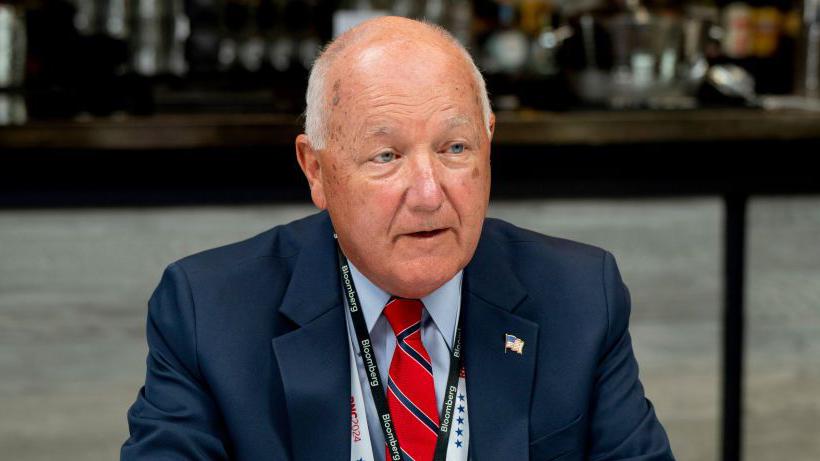
Still, the reaction underscored the fragility of the moment. The Canada–U.S. trade relationship, among the largest bilateral economic partnerships in the world, has been strained in recent years by disputes over energy policy, industrial subsidies, and supply-chain security. With both countries recalibrating their economic strategies amid global uncertainty, even minor diplomatic missteps can carry outsized consequences.
Business leaders felt the tremors almost immediately. Logistics firms reported increased inspections and paperwork at several crossings, while exporters in agriculture and automotive parts said shipments were delayed pending clarification from regulators. Though officials stressed that no permits had been revoked, the uncertainty alone was enough to disrupt tightly timed supply chains.
Behind the scenes, trade lawyers and policy specialists began revisiting lesser-known provisions embedded in cross-border frameworks. Some analysts noted that Canada retains significant discretion under existing agreements to redirect certain trade flows or prioritize alternative markets in Europe and Asia if national interests are deemed at risk. While such measures would be complex and politically sensitive, their mere possibility added to the unease.
For Mr. Carney, a former central banker now navigating the demands of political leadership, the episode represented an early test of his approach to Washington. Allies say he favors firmness paired with restraint, avoiding escalation while making clear that Canada expects respect as an equal partner.
“This is not about theatrics,” said one person close to the prime minister. “It’s about setting boundaries.”

The White House, for its part, has sought to keep the dispute from overshadowing broader cooperation on defense, climate policy, and continental security. Yet the incident highlights how quickly diplomatic language can collide with economic reality in an era of heightened sensitivity and instant amplification.
By week’s end, markets had steadied, and officials on both sides emphasized continuity. But the episode left a lingering impression: the Canada–U.S. relationship, long defined by stability and predictability, is no longer immune to sudden shocks.
In a global economy already marked by fragmentation, even a brief flare-up between close allies can send a signal far beyond their shared border. Whether this moment becomes a footnote or a warning may depend less on what was said—and more on how carefully both governments choose their words next time.