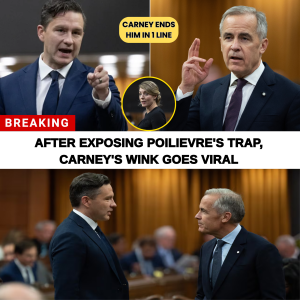
“CANADA IS NOT AMERICA” — CARNEY’S FIERY LINE THAT SHOOK PARLIAMENT AND SILENCED TRUMP
In a moment that instantly went viral, Mark Carney delivered a three-word line in the House of Commons that reset Canada’s political debate in real time: “Canada is not America.” What followed was not routine parliamentary theater, but a calculated assertion of national identity—one that drew a sharp contrast with Donald Trump’s United States and immediately reframed the discussion around healthcare, immigration, and values.
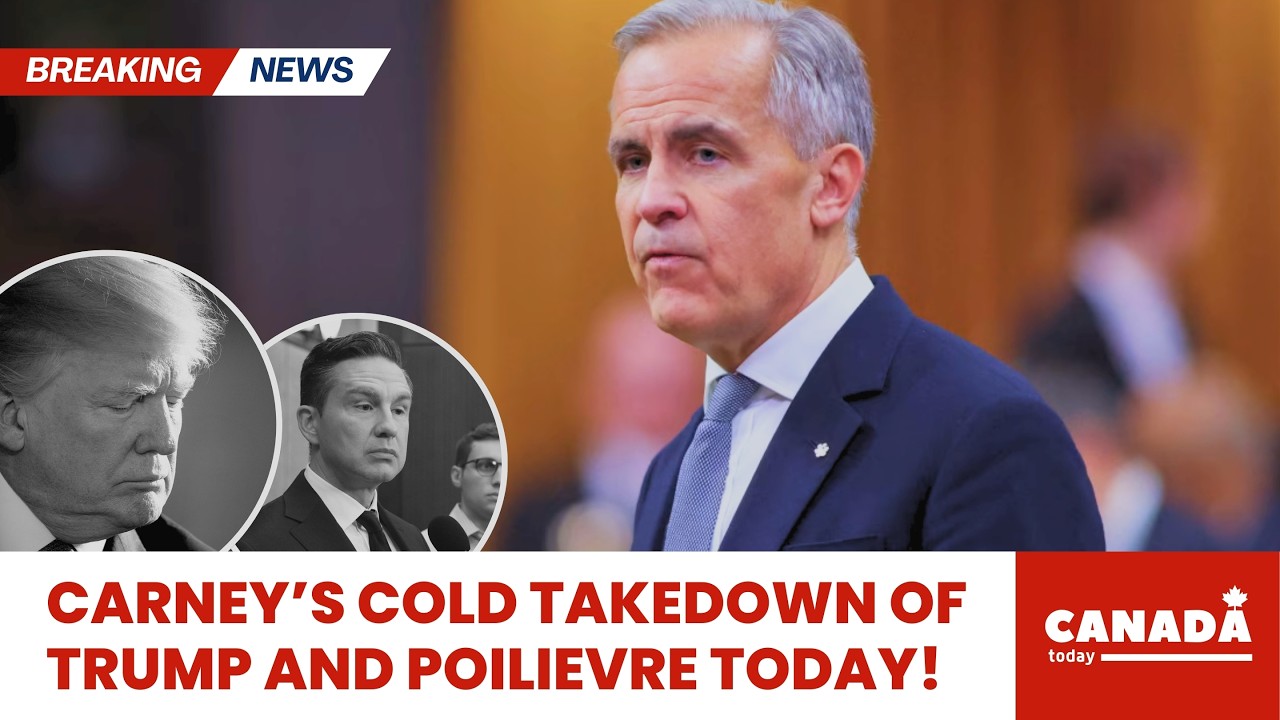
The exchange erupted as opposition leader Pierre Poilievre linked healthcare shortages to what he called “out-of-control immigration,” accusing the government of overwhelming the system. Carney refused to accept the premise. Instead of defending on hostile ground, he shifted the frame entirely, affirming universal healthcare as a core Canadian principle while rejecting U.S.-style exclusionary models. The applause that followed made clear the message had landed.
Carney then dismantled the numbers driving the opposition’s narrative. Calmly and methodically, he cited measurable reductions: asylum claims down by one-third, temporary foreign workers reduced by 50 percent, and international student numbers cut by 60 percent. Rather than denying pressure on the system, he rejected the idea that it was unmanaged. The contrast was stark—shock rhetoric versus data-driven rebuttal—and it strengthened his credibility inside the chamber.
One of the most strategic moments came when Carney addressed accountability. “I just got here,” he reminded Parliament, subtly distancing himself from more than a decade of Liberal governance. The line insulated him from long-term baggage while turning scrutiny back on the opposition, whose leader has spent his entire career in Parliament. In a single stroke, Carney repositioned himself as a corrective force rather than the architect of existing problems.
As the debate escalated into crime and enforcement, Carney avoided rhetorical traps and pointed directly to active legislation—Bills C-2 and C-12—challenging the opposition to support concrete solutions instead of repeating accusations. It was a classic parliamentary maneuver: invite cooperation, force a choice, and expose contradictions without raising his voice. The effect was containment, not confrontation.
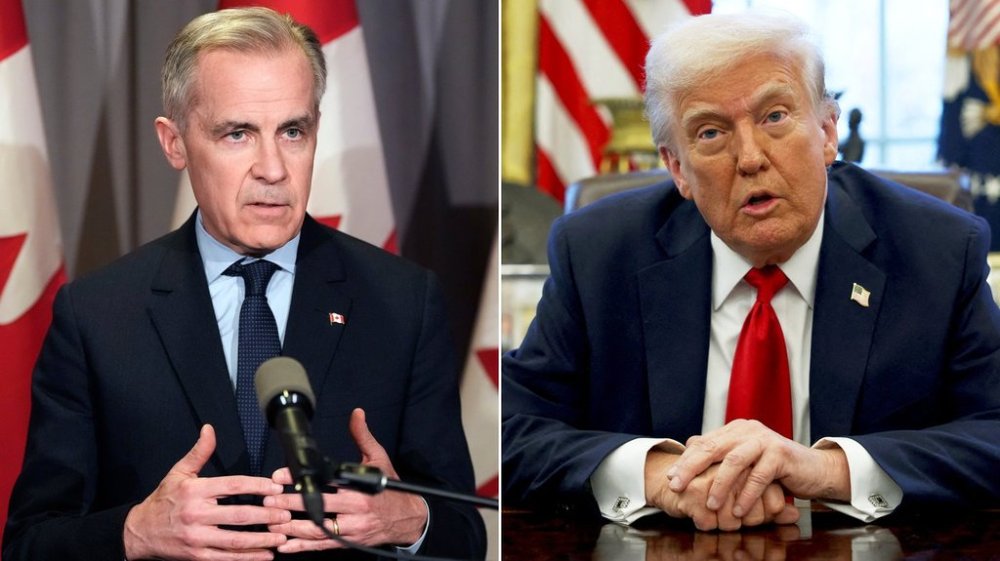
By the end of the session, the message was unmistakable. Carney had drawn a bright line between Canada and Trump’s America, defended universal healthcare without denying strain, acknowledged immigration pressures while presenting control, and boxed the opposition into a legislative corner. It was not just a strong debate performance—it was a statement of leadership. In three words, Carney clarified Canada’s direction and signaled that the country does not intend to follow the political path south of the border.