Canada just made a power move that Washington didn’t see coming.
On Tuesday, February 3, 2026, Montréal didn’t “apply” for influence — it basically tried to claim it.
In a single, sharply worded push, Montréal positioned itself as the best place on the continent to host the Defence, Security & Resilience Bank (DSR Bank / DSRB) — a new multilateral institution designed to mobilize massive capital for defence, security, and resilience projects across NATO members and allied democratic partners.
And here’s the headline inside the headline: whoever hosts this bank doesn’t just get a shiny plaque and photo-ops. They get proximity to the money pipeline that fuels deterrence, procurement, modernization, and defence innovation — the kind of “quiet power” that shapes what gets funded before the public even hears about it.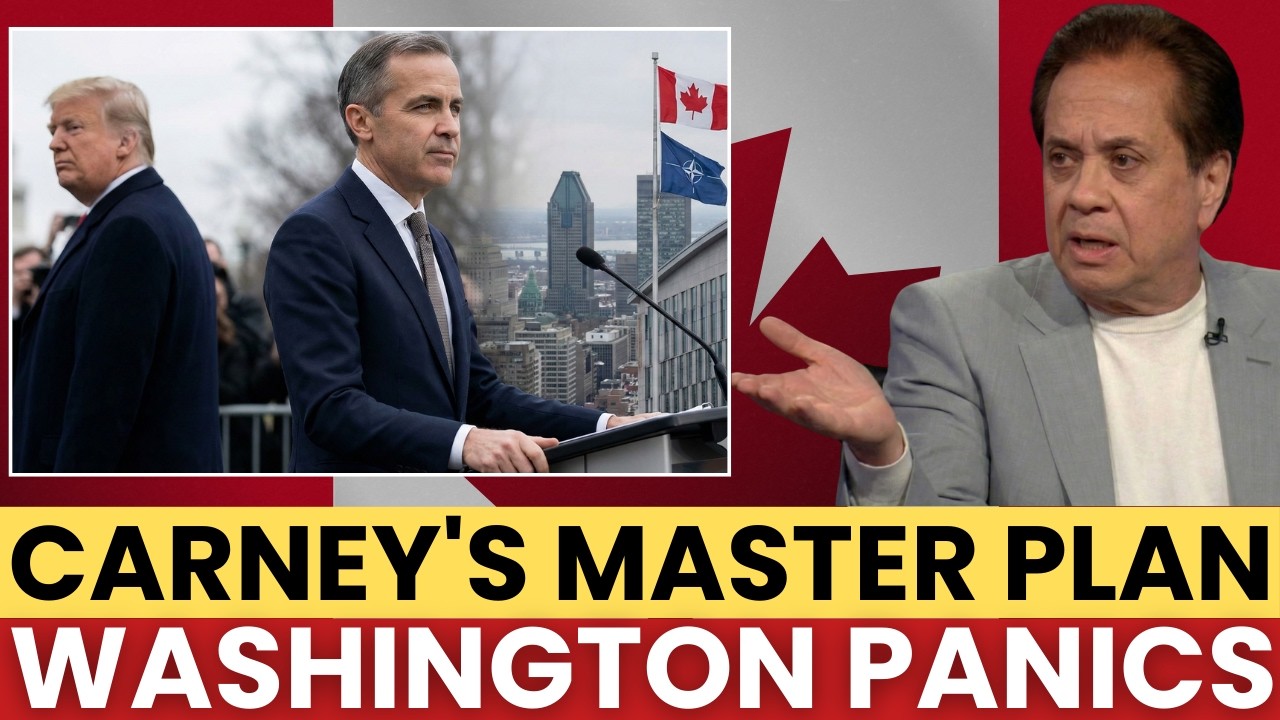
Montréal’s message: “Step aside — we’re built for this.”
Montréal’s pitch wasn’t subtle. The city’s bid was spearheaded by Montréal International CEO Stéphane Paquet, who has been publicly laying out why Montréal believes it has the “winning conditions” to host and launch the institution at speed.
Then the political machinery clicked into place. Soraya Martinez Ferrada, Mayor of Montréal, backed the bid with language that sounded less like lobbying and more like a declaration: Montréal is the city of choice, and it “stands alone in Canada” in readiness to host and propel the bank.
But Montréal wasn’t selling dreams. It was selling infrastructure:
-
A proven ecosystem of international organizations and multilateral operations
-
A “dual-use” industrial base spanning aerospace, security, and advanced tech
-
The argument that Montréal’s real advantage is not just capital access — it’s the ability to combine finance with deep sector expertise
In other words: Wall Street can do money. Montréal says it can do money and defence know-how.
Then it got messy — and even more revealing
Because Montréal isn’t the only Canadian city that wants the crown.
Toronto entered the race hard, with Ontario leaders launching a formal bid and pitching Toronto as the ideal headquarters location — backed publicly by Ontario Premier Doug Ford.
And it doesn’t stop there. Reporting indicates multiple Canadian cities are in the running — including Vancouver, Ottawa, Montréal, and Toronto, with other cities also reportedly exploring bids.
To NATO decision-makers, this kind of internal competition is a feature, not a bug: it forces stronger offers, faster readiness, and better host-city incentives.
To Washington, though, the signal is… uncomfortable.
Because the bigger story isn’t “Montréal vs Toronto.” It’s Canada vs its old role.
Canada isn’t just chasing a bank — it’s chasing the room where decisions get made
The DSR Bank’s own framing is blunt: it’s meant to mobilize capital for the defence, security, and resilience needs of democratic allies and partners.
And Canada is acting like a country that no longer wants to be merely “invited” to the financial table.
The clearest proof? Canada isn’t waiting for the DSRB decision to start building a defence-finance ecosystem at home.
In December 2025, Canada’s state-owned business lender BDC launched a new Defence Platform worth up to C$4 billion to support defence and national security companies — explicitly aimed at helping firms innovate, grow, and participate in major contracts.
That matters because defence contractors have long complained about capital access and reputational risk in banking. A dedicated platform like this is effectively Canada saying: “If traditional finance hesitates, we’ll build the bridge ourselves.”
The real twist
Even if Montréal doesn’t win, the precedent is already set: Canada is openly competing to host alliance financial infrastructure — and doing it with real institutional muscle, not vibes.
And once a country proves it can host the financial engine of collective security, the next question becomes unavoidable:
What else stops being “automatically American” or “automatically European” once the model changes?
That’s why this story is bigger than one headquarters decision. It’s about the Western alliance quietly re-drawing where power lives — not through tanks, but through term sheets, boardrooms, and who gets the first look at where billions will flow next.
🚨 JUST IN: Trump issues desperate escalation as ICE backlash explodes nationwide ⚡.CT
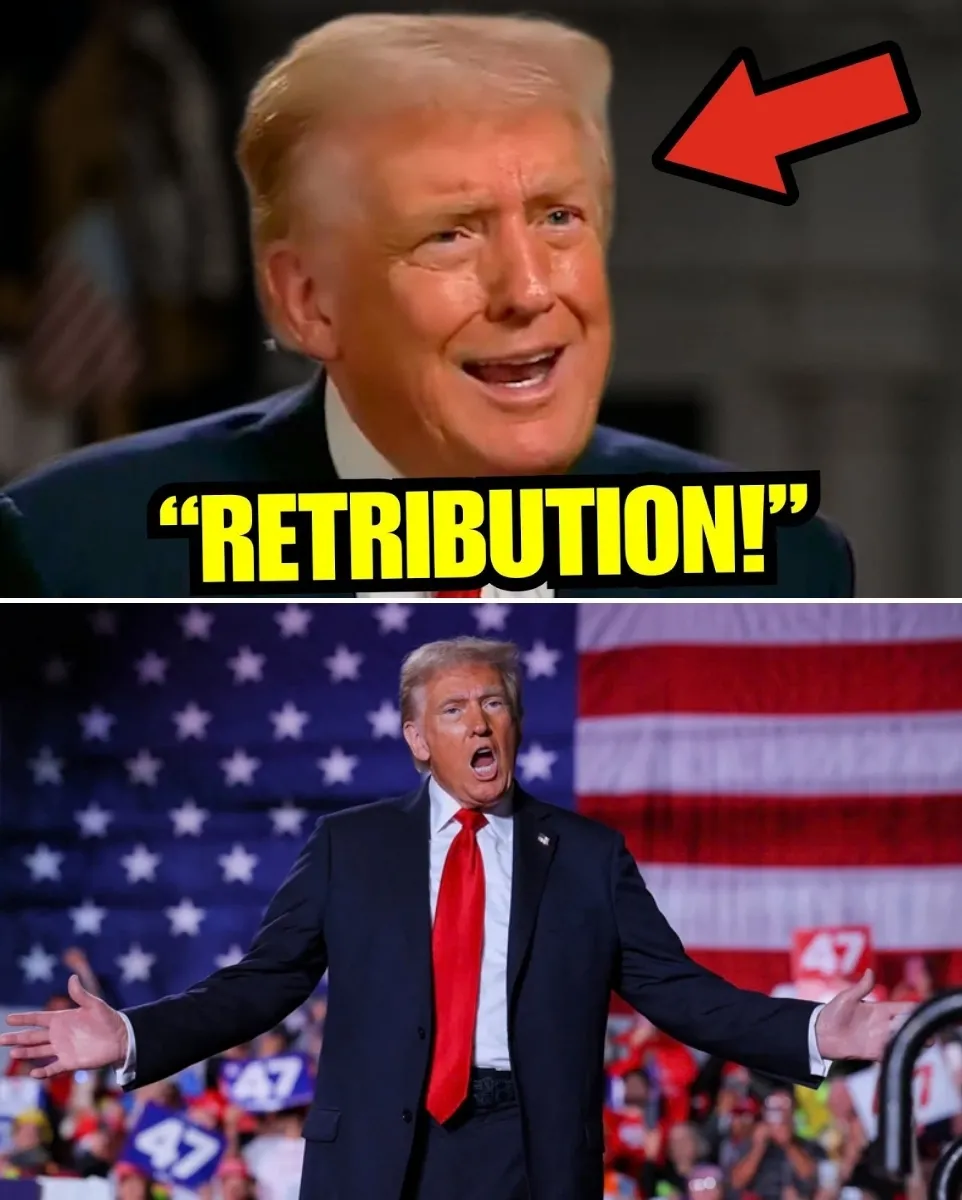
Donald Trump is lashing out — and the timing is no accident.
In the days following a fatal ICE-involved shooting in Minnesota, Trump has issued what can only be described as an explosive escalation: threatening “reckoning and retribution,” ordering a surge of federal immigration agents into the state, and openly attacking local leaders who are now suing his administration to stop what they describe as a federal overreach.
The language is ominous. The political backdrop is worse.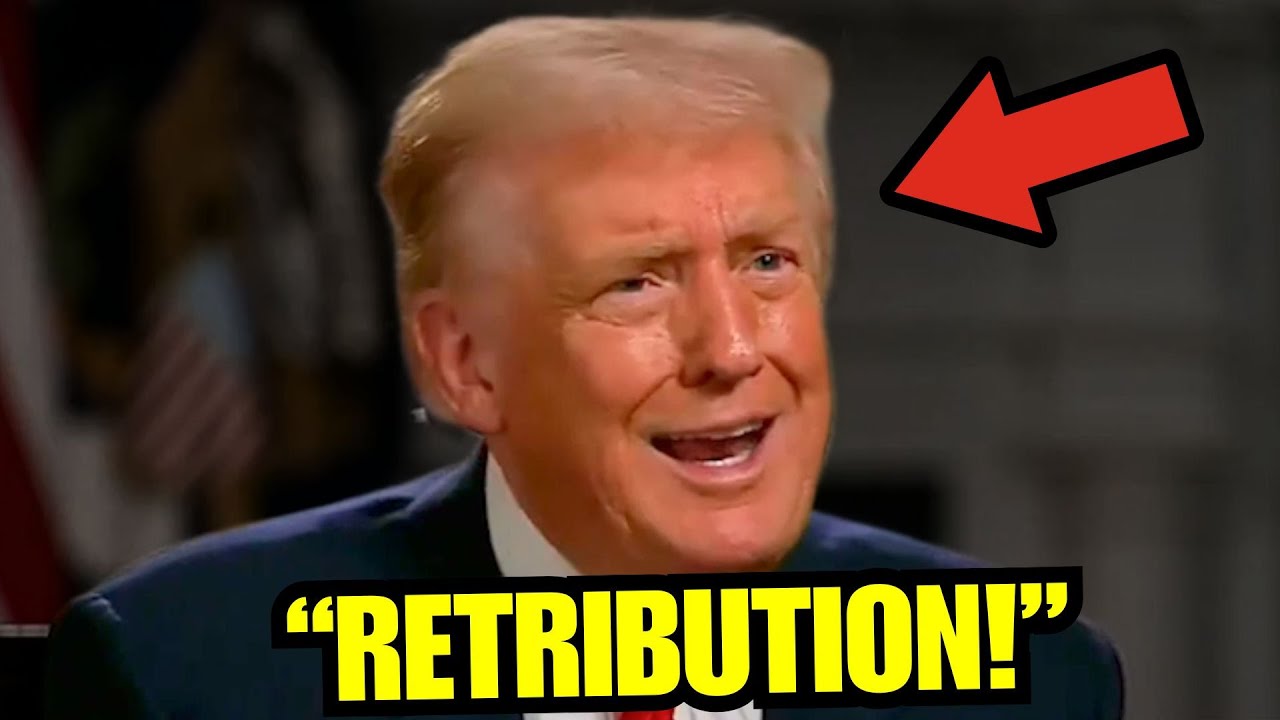
According to public reporting and polling released in the aftermath of the incident involving ICE agent Jonathan Ross and Minnesota resident Renee Nicole Good, the American public is not responding the way Trump expected.
Instead of rallying behind aggressive enforcement rhetoric, voters are turning sharply against ICE — and against Trump himself.
New national polling shows a decisive shift. A clear majority of Americans believe the ICE agent involved should face criminal charges, with support outpacing opposition by more than twenty points.
Independents break even more strongly against Trump’s position. Just as damaging, most respondents say the use of force was not justified.
Even more alarming for Trump’s inner circle is what comes next.
For the first time in modern polling history, more Americans say they support abolishing ICE outright than oppose it. The margin is narrow — but the symbolism is devastating. An agency Trump and his allies have turned into a political weapon is now facing a legitimacy crisis at the national level.
That explains the meltdown.
On social media, Trump painted Minnesota as a lawless wasteland overrun by violent criminals, insisting ICE agents are the last line of defense. He blamed Democrats, accused local officials of loving “unrest,” and promised retaliation — language critics say is especially dangerous given the heightened tensions following the shooting.
Legal pressure is mounting at the same time.
Minnesota and Illinois have now filed lawsuits seeking to block the deployment of additional ICE and border agents into Minneapolis and surrounding cities.
State officials argue the federal government is escalating rather than de-escalating, risking further unrest instead of restoring trust. According to court filings, roughly 1,000 additional agents could be sent into the region unless the courts intervene.
This is the box Trump is trapped in.
Politically, the numbers are collapsing. Legally, state governments are pushing back. Socially, protests have spread nationwide. And institutionally, ICE — once framed as untouchable — is now openly questioned by a plurality of the public.
Trump’s response has followed a familiar pattern: double down, escalate, intimidate.
But that strategy is colliding with a reality he can’t control. Even if the current administration declines to pursue federal charges, the statute of limitations stretches well beyond Trump’s term.
A future administration could reopen the case. State-level prosecutions remain an option regardless of federal decisions. In other words, the legal clock is not Trump’s ally.
And the political damage is already done.
Polls show that majorities believe ICE agents too often detain people authorized to live in the U.S. and use unnecessary force against citizens and non-citizens alike. That narrative — once fringe — is now mainstream. Trump’s aggressive rhetoric isn’t restoring confidence. It’s accelerating the collapse of trust.
This is why the reaction feels frantic.
Trump is not projecting strength. He’s reacting to loss of control. When the public turns, when courts push back, when states sue, and when polls flip, intimidation becomes the only tool left. But intimidation works best when opponents are isolated. That condition no longer exists.
What happens next is uncertain. Further escalation could deepen the crisis. Restraint could undermine Trump’s political brand. Either way, the walls are closing in — not because of one incident, but because a broader reckoning over power, accountability, and legitimacy is now underway.
And for the first time in years, it’s not Trump setting the terms.