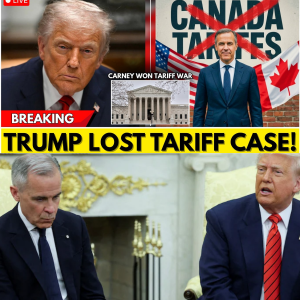
JUST IN: Trump Floats Access to Canadian Water Amid Western Drought — Carney Rejects Any Notion of Control
Tensions between Washington and Ottawa have taken an extraordinary turn — not over trade, defense, or tariffs — but over water.
Amid deepening drought conditions across the American West, President Donald Trump raised the idea that Canada’s vast freshwater reserves could help alleviate shortages in states like California, Arizona, and Nevada. While he stopped short of issuing a formal demand, his remarks suggesting Canada’s water could act like a “large faucet” for the United States ignited immediate controversy.
Ottawa’s response was swift — and unequivocal.
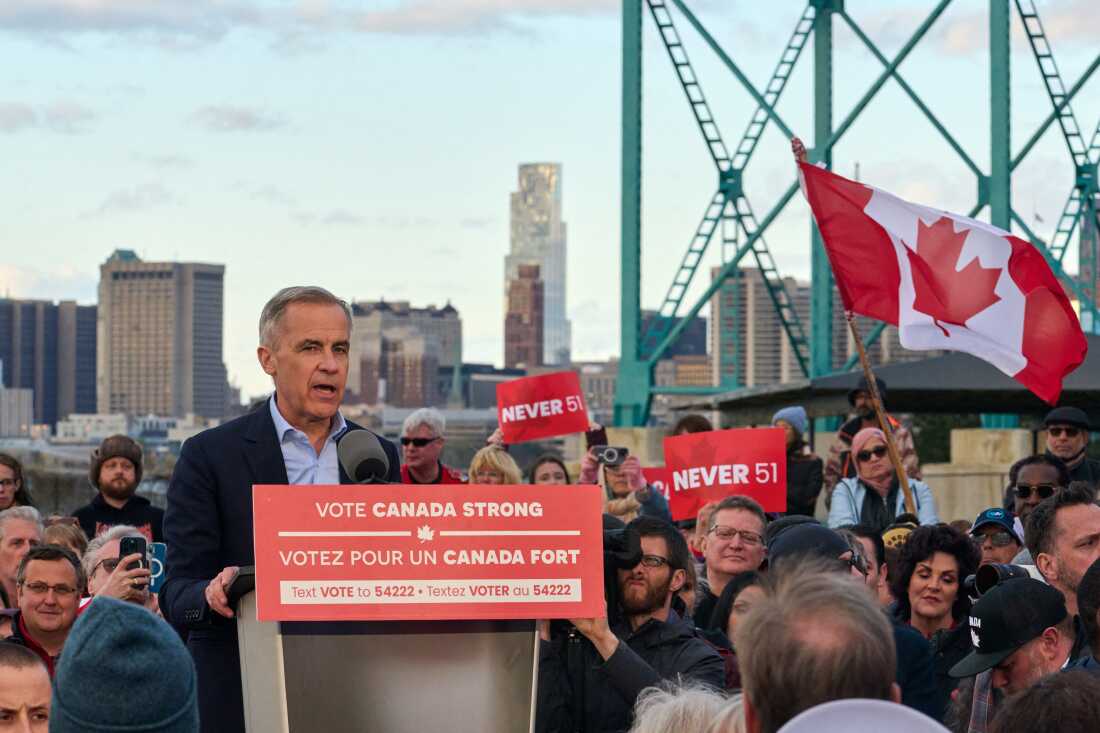
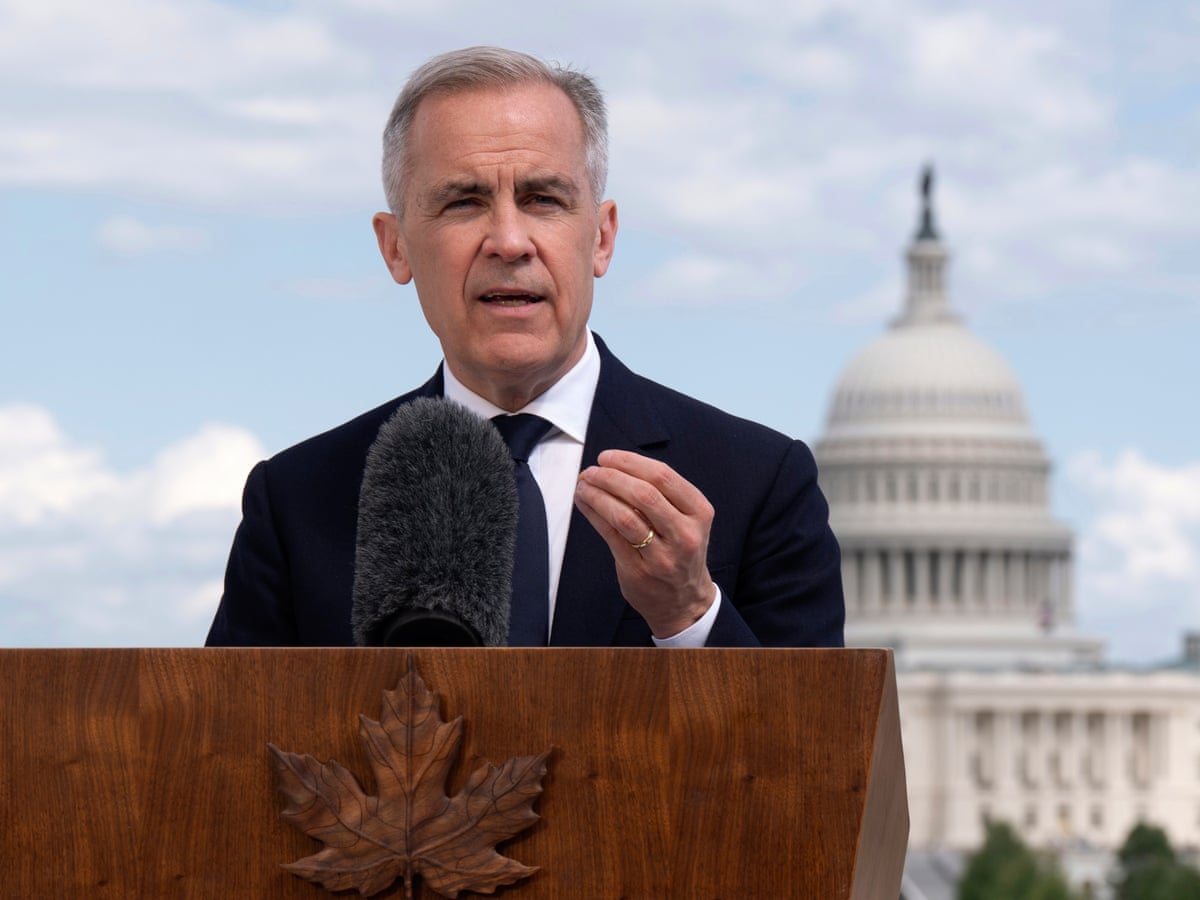
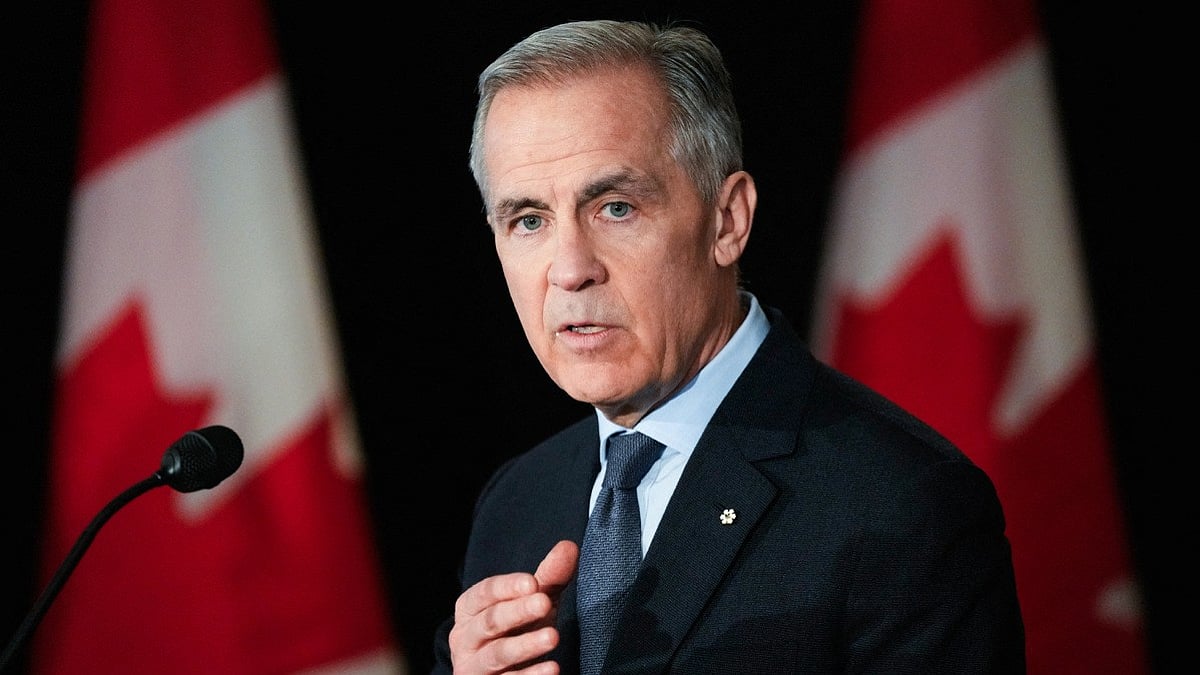
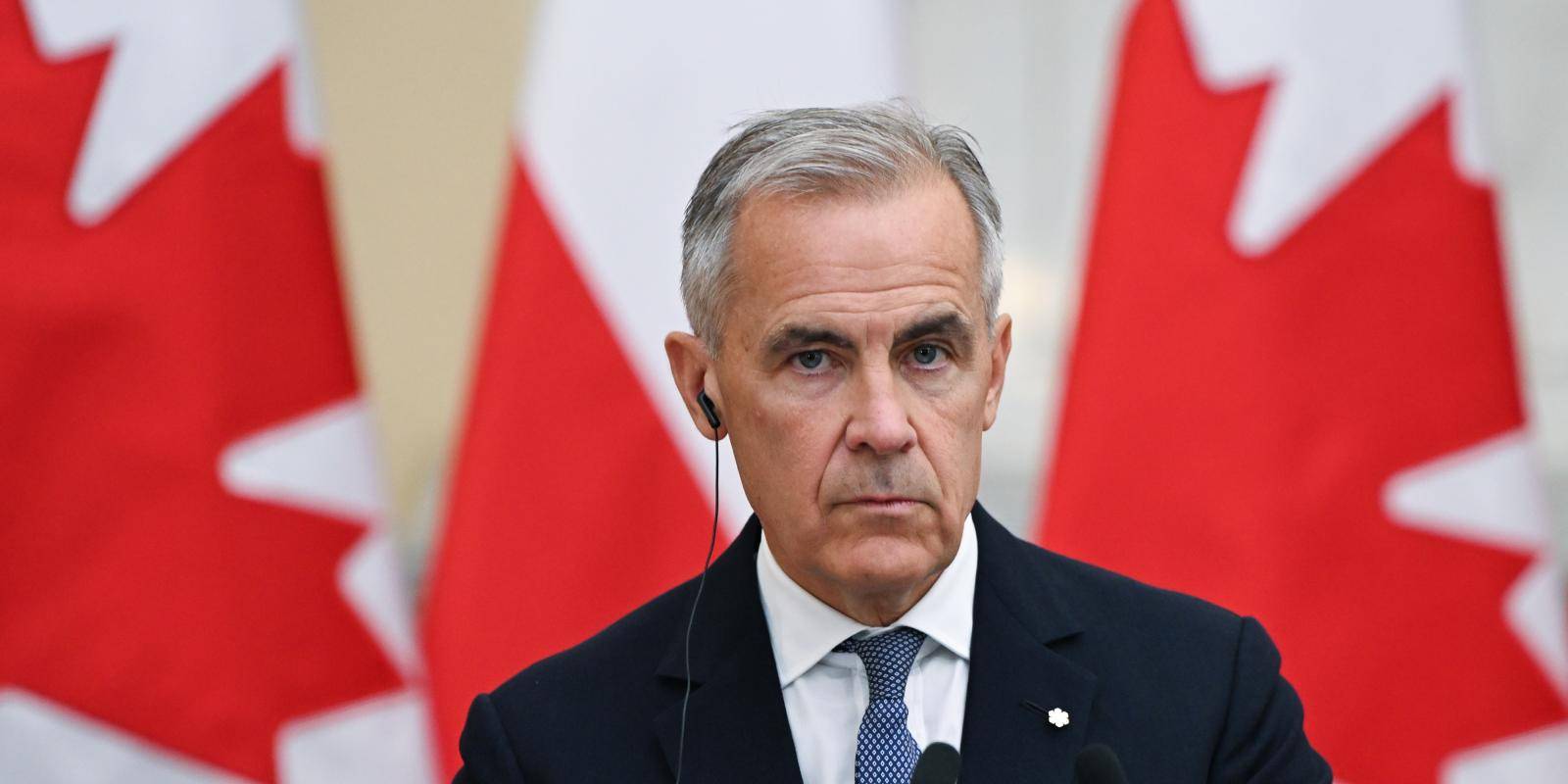
Prime Minister Mark Carney rejected any suggestion that Canada’s freshwater resources are up for negotiation, declaring them a sovereign public trust and “not a commodity to be controlled or transferred under external pressure.”
The exchange has exposed a deeper fault line in North American relations: how nations respond to resource scarcity in an era of climate stress.
The Drought Reality in the American West
The American Southwest is facing sustained water pressure:
-
The Colorado River system is under historic strain.
-
Lake Mead and Lake Powell remain below long-term averages.
-
Rapid population growth continues in water-stressed regions.
-
Agriculture in California and Arizona is increasingly vulnerable.
Cities including Phoenix, Las Vegas, and Los Angeles are investing heavily in conservation, wastewater recycling, and desalination. But long-term projections show continued volatility as climate change alters snowpack and runoff patterns.
In that context, Trump’s comments about Canada’s freshwater abundance resonated with some U.S. observers who see continental resource sharing as pragmatic.
What Canada Actually Controls
Canada holds roughly 20% of the world’s freshwater resources — though much of that is locked in glaciers, remote watersheds, or flows northward away from population centers.
The two countries already cooperate extensively on shared water systems, most notably through:
-
The Great Lakes agreements
-
The Boundary Waters Treaty (1909)
-
The Columbia River Treaty
British Columbia recently confirmed that discussions regarding the modernization of the Columbia River Treaty are under review by the U.S. administration — though no formal collapse of agreements has occurred.
What has not happened is any formal U.S. demand for ownership or control of Canadian water infrastructure. The dispute remains rhetorical — but politically charged.
Why Ottawa Drew a Hard Line

Carney’s refusal reflects longstanding Canadian policy.
Canada has historically resisted:
-
Bulk freshwater export proposals
-
Cross-border water diversion megaprojects
-
Treating freshwater as a tradable commodity under trade agreements
The concern in Ottawa is not short-term sales — it’s legal precedent. If water were formally commodified, it could fall under international trade dispute mechanisms, potentially limiting Canada’s ability to regulate its own supply in the future.
Canadian leaders across party lines have traditionally viewed water sovereignty as non-negotiable.
Carney framed the issue in environmental and strategic terms:
-
Climate volatility affects Canadian watersheds too.
-
Glacial melt is accelerating in Western Canada.
-
Long-term ecological impacts of diversion are unpredictable.
The argument is not simply nationalist — it’s precautionary.
The Infrastructure Reality

Large-scale water transfers from Canada to the U.S. Southwest would require:
-
Thousands of miles of pipeline or canal systems
-
Massive pumping energy requirements
-
Multibillion-dollar capital investment
-
Complex environmental approvals
No such project is currently under construction or formally approved.
Policy think tanks have studied water diversion concepts for decades, but they remain economically and politically contentious.
The Philosophical Divide
At the heart of the controversy is a deeper debate:
-
Is water an economic asset that can be traded like oil or gas?
-
Or is it a protected public trust insulated from market forces?
In the United States, market-based allocation of water resources is more common. In Canada, water governance is more closely tied to public stewardship and provincial authority.
That philosophical difference is now colliding with climate pressure.
What This Means Geopolitically

Despite heated rhetoric, this is not a military standoff. It is a policy divergence amplified by climate stress.
Still, the symbolism matters.
For decades, U.S.–Canada relations have been defined by:
-
Deep integration
-
Predictable cooperation
-
Quiet dispute resolution
Public disagreement over water — a resource fundamental to survival — marks a notable escalation in tone, if not yet in formal policy.
Experts warn that as climate change intensifies:
-
Water diplomacy will become as important as energy diplomacy.
-
Resource security will increasingly shape alliances.
-
Infrastructure vulnerability will redefine leverage.
The Path Forward
Realistically, any future cooperation would likely take the form of:
-
Joint conservation initiatives
-
Shared basin management
-
Technology exchange (desalination, recycling, storage)
-
Climate adaptation coordination
Large-scale bulk water transfers remain politically radioactive in Canada and economically complex in the United States.
For now, Carney’s message is clear:
Canada’s water is not for sale.
And Washington has not formally moved beyond rhetoric.
The Bigger Picture

This episode highlights a larger truth:
In the 21st century, water — not oil — may become the defining strategic resource.
But unlike oil, water is immovable geography. It is tied to ecosystems, borders, and long-term sustainability.
How the United States and Canada manage water cooperation in a warming climate will signal whether resource stress leads to confrontation — or innovation.
For now, diplomacy has not collapsed.
But the era of assuming abundance is over.