In a stunning escalation of trade hostilities, the Trump administration’s sweeping 50% tariffs on Indian diamonds and a 35% levy on Canadian softwood lumber shock American consumers and global markets alike. Canada swiftly counters with strategic support, while U.S. households brace for dramatic price surges across luxury goods and essentials.
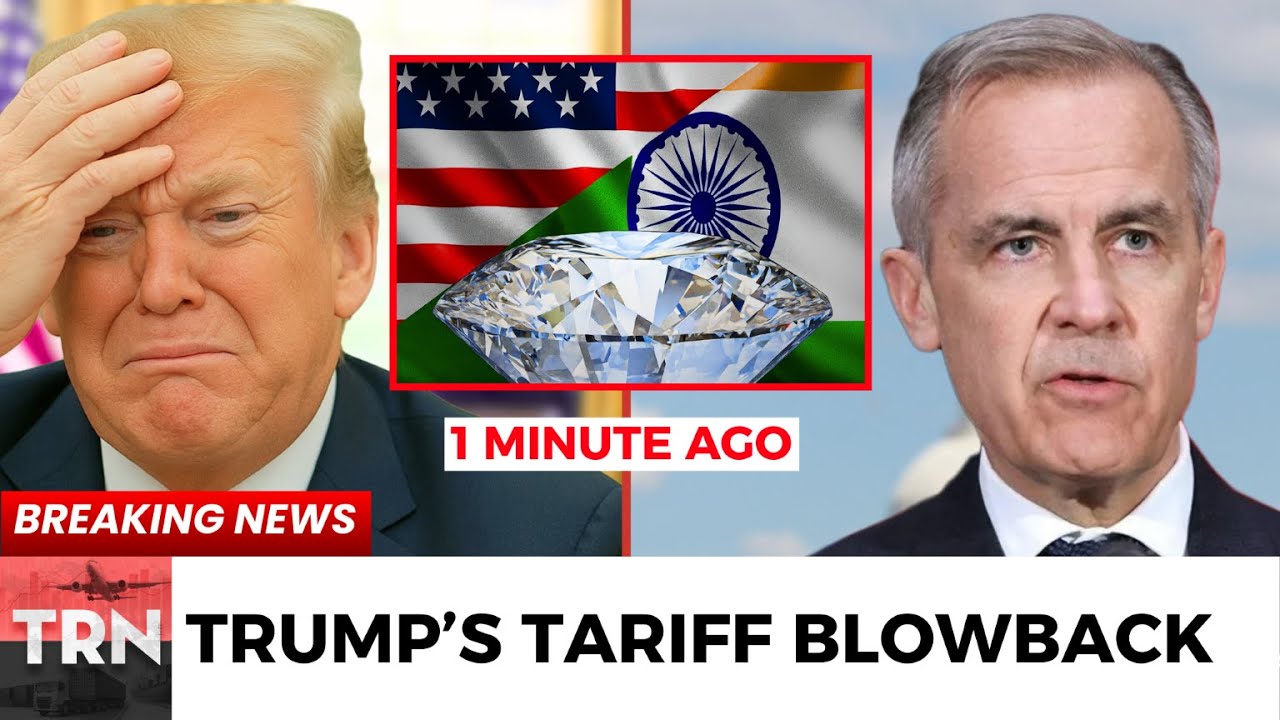
The White House’s aggressive tariff strategy is rattling established trade networks, hitting Indian diamond exports with a brutal 50% duty hike. This move puts extraordinary pressure on the U.S. diamond market, where 90% of cut and polished stones originate in India. Jewelers face an impossible financial squeeze, forced to pass soaring costs directly to American consumers.
In New York’s famed diamond district, jewelers warn that the tariff leap from 10% to 50% is unsustainable. Retail prices for engagement rings and fine jewelry—already burdened by record-high gold prices—are set to skyrocket just as the critical holiday season approaches. This shift threatens to put cherished luxury items further out of reach for many Americans.
Simultaneously, the Trump administration has doubled tariffs on Canadian softwood lumber to 35.19%, driving up the cost of building a single-family home by roughly $6,000. This surge poses an acute challenge to middle-class Americans, effectively blocking affordable home construction and complicating rebuilding efforts after natural disasters.
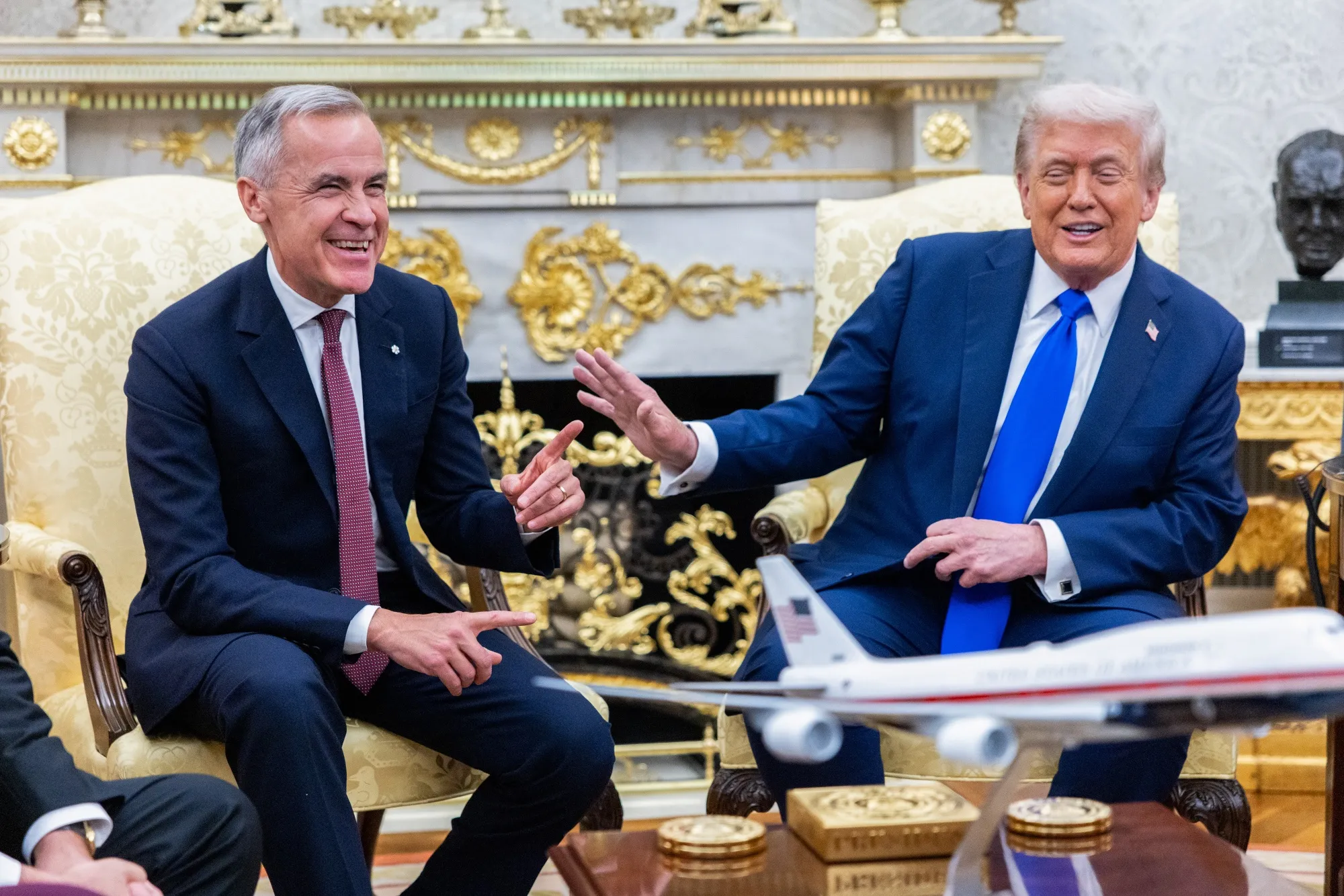
Canada is not standing idly by. Just days before the U.S. hike, Prime Minister Mark Carney unveiled a $1.2 billion support package aiming to stabilize the lumber industry, including $700 million in loan guarantees and $500 million dedicated to market diversification and product innovation. Ottawa’s measured retaliation contrasts sharply with Washington’s confrontational approach.
Trade experts warn the ripples from these tariffs extend far beyond North America. India’s once vibrant diamond trade now faces uncertainty, with industry players contemplating overseas purchases to sidestep crippling duties. Meanwhile, Brazil confronts a staggering 50% tariff hike amid escalating political tensions, intensifying diplomatic fallout and encouraging closer ties with BRICS nations.
The cumulative impact on U.S. consumers is severe. Yale’s Budget Lab projects that tariff-related cost increases could tack an additional $2,400 annually onto the average American household budget. Already strained supply chains for appliances, clothing, and furniture feel the pressure, signaling widespread inflationary consequences.
Moreover, the broader geopolitical fallout is accelerating. Canada and Mexico, hit with their own substantial tariff threats, are strengthening bilateral ties in defiance of Washington’s demands. This unprecedented alliance among America’s closest neighbors signals a strategic realignment, undercutting U.S. leverage and unraveling long-standing trade frameworks.
President Trump’s insistence on using tariffs as a negotiation weapon appears increasingly counterproductive. Instead of compelling concessions, his blitzkrieg of levies hardens resistance and drives trade partners into diversified global markets, diminishing American influence as countries like Canada pivot rapidly towards Europe and Asia.
The sweeping tariffs include onerous duties on imports from over 60 countries, with rates ranging from 10% to 50%, affecting everything from Brazilian orange juice to Swiss luxury goods. Potential 100% tariffs on foreign-made computer chips loom, though still undefined, new supply disruptions in vital technology sectors.
Within the United States, the fallout is particularly acute. Industries reliant on imports are already grappling with price hikes and supply shortages. Municipal projects, like a $3.1 million firetruck build in Amherstburg, are delayed and more expensive due to tariff-related material costs, underscoring the tariffs’ tangible impact on public services.
Canada’s political leadership remains focused on protecting its industries without escalating retaliatory measures excessively. While some provincial leaders advocate robust tariff-for-tariff responses, the federal government seeks balance, signaling potential removal of counter tariffs if negotiations yield benefits, aiming to shield domestic consumers from further shock.
Meanwhile, Latin America watches warily. Brazil and Colombia have both seen diplomatic relations with Washington deteriorate amid tariff hostilities and political accusations. Moves towards deeper cooperation with BRICS countries and alternative financing structures signal a significant shift away from American economic dominance in the Western Hemisphere.
The constricting web of tariffs reveals an unsettling new reality for global trade. Where once cooperation underpinned mutual prosperity, conflict and fragmentation now accelerate, to fracture supply chains and erode decades of diplomatic goodwill. The United States confronts the fallout of policies that may undermine its economic standing for years.
As this volatile saga unfolds, the question remains whether Trump’s tariff tactics will yield the promised leverage or simply saddle American families with higher expenses while empowering resilient trade partners. The new economic battlefield centered on diamonds and lumber may just be the opening salvo in a broader, more damaging trade war.

In the midst of this upheaval, market diversification among U.S. partners is rapid and decisive. Canada shifts grain exports from the U.S. to Europe, while India, Brazil, and South Africa explore alternative markets, signaling a durable reconfiguration of global trade flows that could weaken U.S. bargaining power for the foreseeable future.
With tariffs now at historic highs, surpassing levels not seen for centuries, the immediate gains touted by Washington give way to growing skepticism. Economists and industry leaders alike warn the tariffs’ true cost will be borne by consumers and import-dependent businesses, making affordable goods and home ownership more elusive.
The escalating trade confrontation also belies its political messaging. While aiming to project strength domestically, the approach risks isolating key allies, disrupting critical supply chains, and incentivizing a cohesive response by affected countries. Canada and Mexico’s united front exemplifies how tariffs may unify adversaries rather than divide them.
In essence, the Trump administration’s tariff blitz has triggered a complex, multi-front trade crisis. India’s diamond sector reels, Canada fortifies its lumber industry, and the broader global market braces for a wave of retaliatory countermeasures. The economic battlefield is intensifying at a perilous pace with consequences far beyond immediate tariffs.
This mounting tariff crisis highlights an urgent need for diplomatic finesse over blunt economic aggression. Canada’s pragmatic but firm countermeasures contrast with U.S. unpredictability, suggesting that measured strategy may better shield national interests while preserving essential international relationships under strain.

As negotiation deadlines approach and tariffs threaten to deepen, the global community watches closely. The unfolding offers a stark lesson in the perils of unilateral trade policies—where one nation’s attempt to wield power through tariffs risks upending the delicate balance that sustains worldwide commerce and prosperity.
Ultimately, the Trump administration’s unprecedented tariff offensive is rewriting trade dynamics and economic realities. For American consumers, the immediate sting comes through pricier diamonds and housing materials; for the international stage, the fractures may herald a prolonged era of strained alliances and evolving market alliances.
The stakes could not be higher. With every tariff introduced, the geopolitical and economic fabric is stretched thinner. The coming months will reveal if sustained dialogue can reverse this trajectory or if the world will face a new, more fractured era of global trade marked by rising costs, uncertainty, and diminished cooperation.