Donald Trump threatened “very severe tariffs” on Canadian fertilizer. He then handed American farmers $12 billion in bailout money to compensate for damage caused by his own trade war. Mark Carney’s response was neither negotiation nor compromise. It was diversification.

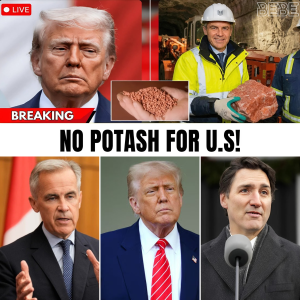
While Washington escalated threats, Canada quietly redirected its most critical agricultural export—potash—toward Brazil, China, India, and the fast-growing markets of Asia. The result was predictable: American farmers paid more, Canadian producers found new customers, and U.S. leverage evaporated.
AN UNAVOIDABLE DEPENDENCY
American agriculture depends on Canadian potash. Nearly 90% of U.S. potash supply is imported, and 80% of those imports come from Canada. Saskatchewan alone holds
1.1 billion tons of reserves, five times larger than those in the United States. American farms consume 5.3 million tons annually. Canada produces 22.9 million tons.
This is not a trade imbalance that can be corrected with tariffs. It is a geological fact. Potash deposits take millions of years to form. They cannot be created by policy, tariffs, or political pressure.
Yet Trump threatened tariffs on the one input American agriculture cannot replace—then expressed surprise as food prices continued to rise.
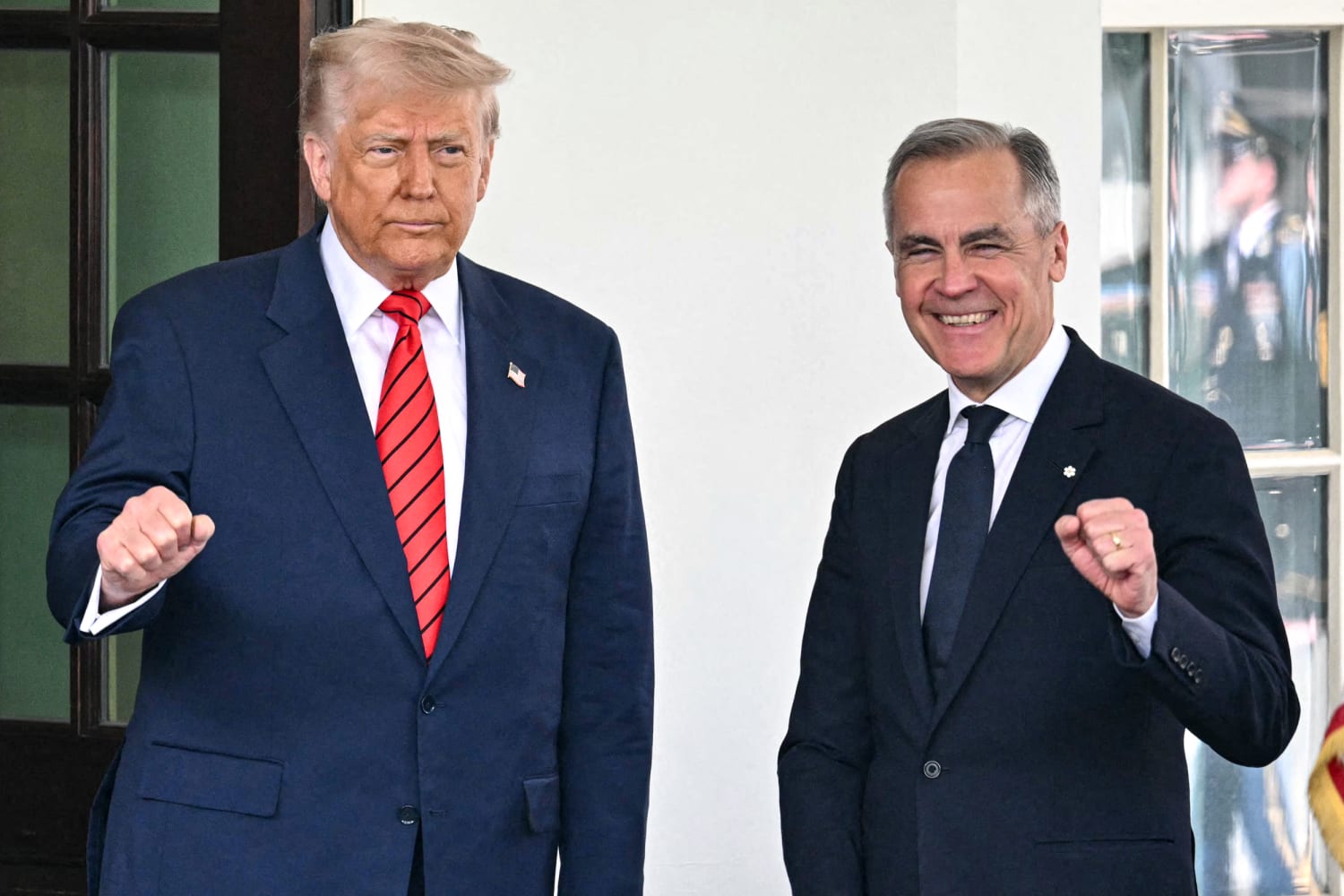
THE BAILOUT THAT DIDN’T FIX THE PROBLEM
Trump’s trade war with China crushed soybean exports and pushed American farmers into a third consecutive year of losses. Fertilizer costs rose
11%. Crop prices fell. The American Soybean Association projected $15 billion in nationwide losses, averaging $150 per acre.
Trump responded with a $12 billion “bridge assistance” bailout
. But the numbers never added up. Losses exceeded aid. Subsidies masked the damage instead of solving it. Even with government support, farmers continued losing money.
At the same White House event announcing the bailout, Trump threatened Canadian fertilizer tariffs—raising costs for the very farmers he was supposedly helping.
MAXIMUM PRESSURE, MINIMUM UNDERSTANDING
Trump claimed tariffs would force the United States to produce its own fertilizer. “You’ll be making your own fertilizer,” he told farmers. At the same time, the Department of Justice launched probes accusing Canadian companies of price-fixing, targeting Saskatchewan-based Nutrien.
The strategy was intimidation: tariffs plus investigations to force Canada to lower prices. But Canadian companies were not fixing prices. Global potash prices reflect global demand. Basic commodity economics applied—no matter how much Trump rejected them.

FARM COUNTRY PUSHES BACK
The backlash was immediate. Iowa Senator Chuck Grassley publicly begged Trump to exempt potash from tariffs. Farmers in Iowa, the heart of corn and soybean country, rely almost entirely on Canadian supply. No alternative exists.
Russia supplies only 8–10% of U.S. demand. Belarus is sanctioned. Domestic production covers roughly 400,000 tons per year—far short of the 5.3 million tons required. The gap cannot be filled.
As Fertilizer Canada bluntly stated: U.S. reserves are 220 million tons, compared to Canada’s 1.1 billion. Tariffs cannot change geology.
WHY TARIFFS HIT FARMERS, NOT CANADA
Potash is different from manufactured goods. Canada supplies nearly all U.S. imports. There are no substitute sellers. That means tariffs do not get absorbed by exporters—they flow directly into American input costs.
Fertilizer accounts for 30–45% of farm operating expenses. Farmers cannot reduce usage without sacrificing yields. They cannot raise crop prices because commodities are set globally through futures markets. The result is unavoidable: higher costs, same revenue, guaranteed losses.
Every tariff dollar meant more bailouts, more taxpayer spending, and deeper dependence on subsidies.
POLICY WHIPLASH AND INVESTMENT FREEZE
Trump imposed a 25% tariff, then lowered it to 10%
, then eliminated fertilizer tariffs entirely in November. Farmers exhaled. Prices stabilized. Three weeks later, Trump threatened “very severe tariffs” again.
This policy whiplash killed investment confidence. Fertilizer plants cost billions and take years to build. No investor commits capital when trade policy changes every few weeks.
Canada took note.
CARNEY’S STRATEGY: BUILD ALTERNATIVES
Mark Carney didn’t argue with Trump. He executed a strategy announced months earlier: double Canada’s non-U.S. exports from $300 billion to $600 billion over the next decade
.
Potash was the perfect candidate.
Brazil now absorbs 14% of Canadian potash exports. China takes 8%, with room to expand. India increases purchases every year. These markets are growing. The U.S. market is flat and politically unstable.
Brazil imports 100% of its potash. India has no domestic deposits and feeds 1.4 billion people. China prioritizes food security over price. All want reliable supply—and none threaten tariffs.
A PERMANENT STRUCTURAL SHIFT
Canadian producers are building infrastructure for non-U.S. markets. Nutrien is investing $1 billion in an export terminal designed to ship potash directly to Asia. BHP’s $23 billion Jansen project
in Saskatchewan will send all production to Asia-Pacific markets—none to the United States.
Even massive U.S. subsidies cannot replace Canadian supply. New American projects will cover only a fraction of demand, leaving the U.S. dependent on imports indefinitely.
Meanwhile, Canada controls 41% of global potash exports and 30% of global production—a strategic resource with permanent leverage.
THE FINAL IRONY
Trump believed threatening Canadian fertilizer would force concessions. Instead, it forced Canada to find better customers.
American farmers paid higher prices. Taxpayers funded bailouts. Canadian producers strengthened global relationships. And U.S. leverage disappeared.
This is how Canada turned American threats into Canadian opportunity.
This is how geology becomes strategy.
And this is how ignoring Trump quietly built the future anyway.