LABOUR LEADERSHIP SPECULATION INTENSIFIES AS OLD TWEET RESURFACES AMID RAYNER RUMOURS
London – February 9, 2026 – The Labour Party is grappling with renewed internal discussions following the resurfacing of a 2022 tweet by Deputy Prime Minister Angela Rayner, in which she criticised then-new Prime Minister Rishi Sunak for assuming office without a general election or public mandate. The tweet, which Rayner has since removed from her account, has drawn fresh attention as speculation grows about her potential future leadership ambitions within the party.
In the original post from October 2022, shortly after Sunak replaced Liz Truss without a nationwide vote, Rayner wrote: “The Tories have crowned Rishi Sunak without him saying a word about what he would do as PM. He has no mandate, no answers and no ideas. Nobody voted for this. The public deserve their say on Britain’s future through a General Election.” The statement reflected Labour’s broader push at the time for an immediate general election to secure democratic legitimacy for the new Conservative leader.
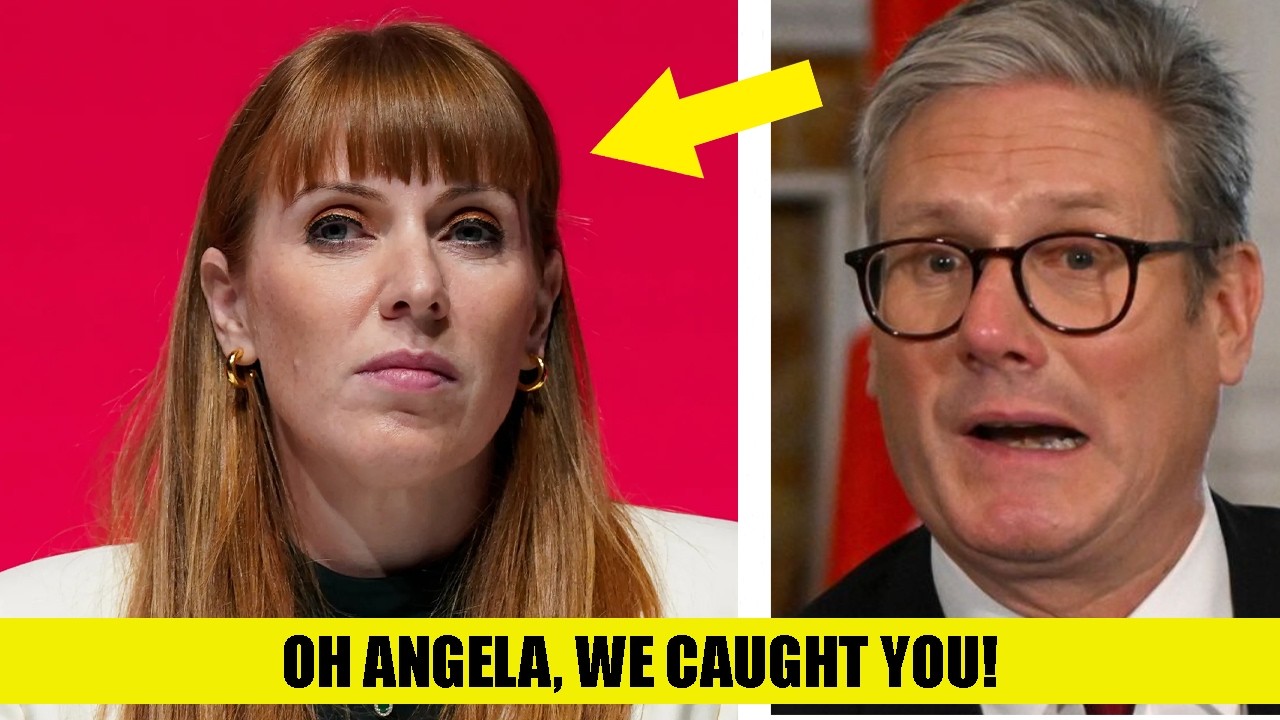
The tweet’s deletion has prompted commentary from observers and party figures, particularly in light of ongoing rumours that Rayner may be positioning herself for a leadership role. Recent media reports suggest she has been quietly assembling financial resources, with claims of a significant campaign fund—reportedly in the region of £1 million—built through donations and related activities. Allies have described these efforts as preparation for various political eventualities, though no formal challenge to Prime Minister Keir Starmer has been announced.
The timing coincides with broader challenges facing the Labour government. Internal divisions have surfaced over policy directions, recent controversies, and performance in opinion polls, creating an environment where leadership questions naturally arise. Some party sources indicate that Rayner retains strong support among backbench MPs and certain factions, viewing her as a potential unifying figure with roots in the party’s working-class base. Others, however, express caution, noting that any move toward leadership would need to navigate complex party rules, ongoing personal matters—including a resolved tax-related inquiry—and the risk of further fracturing unity.
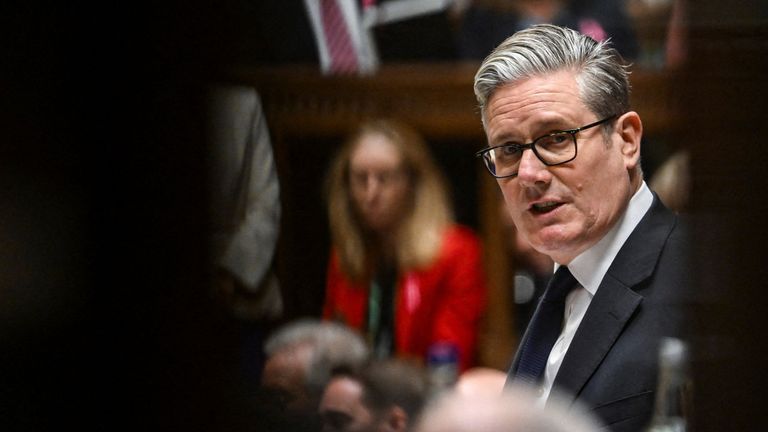
Critics within and outside Labour have pointed to the irony of the deleted tweet, suggesting it could invite scrutiny if Rayner were to pursue the top job under circumstances lacking a fresh electoral mandate. Supporters counter that the 2022 context was markedly different—a mid-term handover amid Conservative turmoil—while emphasising Rayner’s consistent advocacy for democratic accountability. They dismiss much of the speculation as overblown or motivated by opponents seeking to sow discord.
Starmer’s team has sought to downplay the rumours, with allies stressing the Prime Minister’s focus on delivering on manifesto commitments and governing effectively. Reports indicate that any hypothetical leadership contest would carry significant implications, potentially destabilising the administration at a time when Labour aims to consolidate its position ahead of future electoral tests.

For now, the episode underscores the delicate balance Labour must maintain amid internal pressures and external challenges. Whether the leadership chatter proves substantive or fades remains uncertain, but it highlights the party’s ongoing need to project cohesion and clarity. As one senior Labour figure noted anonymously, “Unity has always been our strength; preserving it through turbulent times will define our path forward.”
The resurfacing of past statements serves as a reminder of how quickly political landscapes shift and how words from years ago can re-emerge to inform current debates. With no immediate contest on the horizon, Labour insiders say the focus remains on policy delivery rather than personalities—though the conversation about the party’s future leadership is unlikely to subside entirely in the months ahead.