U.S. Trade Deficit Surges Nearly 95% as Canada Captures Major EV Supply Chain Shift
U.S. Trade Deficit Spike Raises New Economic Concerns
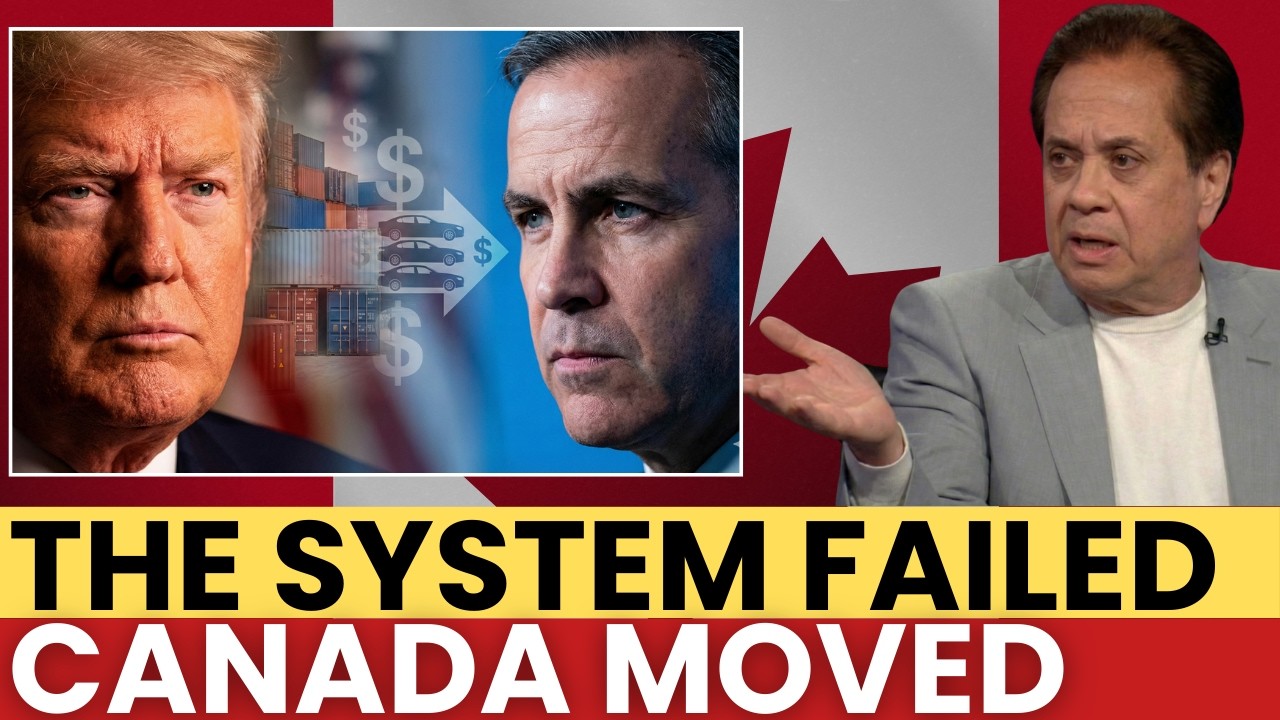
Recent economic commentary highlights a sharp reported jump in the U.S. trade deficit, with figures cited in analysis videos and policy discussions showing a near 95% month-over-month increase — from roughly $29 billion to about $57 billion in one reporting period in late 2025.
According to the breakdown presented in the analysis, imports accelerated while exports declined during the same window. Supporters of tariff policy had expected trade barriers to narrow the deficit, but critics argue the opposite may be occurring in the short term due to supply chain adjustments and import timing shifts.
Economists caution that monthly trade data can be volatile and often reflects shipment timing and contract cycles rather than permanent structural change.
Imports Up, Exports Down: What the Numbers Suggest
The commentary describes three key drivers behind the reported deficit jump:
-
Imports rising by an estimated 5% in one month
-
Exports falling by roughly 3–4%
-
Capital goods and technology infrastructure imports remaining unavoidable
Sectors tied to AI infrastructure, energy transition, and advanced machinery reportedly continued importing despite tariff pressure because domestic substitutes were not yet available at scale.
Analysts note that when critical inputs cannot be sourced locally, tariffs may increase costs without immediately reducing dependency.
Auto and EV Supply Chains Shift Toward Canada
One of the most significant claims in the analysis is that Canada has captured a large share of new North American electric vehicle and battery investment, with estimates of over $120 billion in announced projects tied to EV and battery manufacturing clusters in Ontario and Quebec.
Policy stability, investment incentives, and trade predictability are cited as key advantages attracting multinational manufacturers.
The video analysis estimates that as much as $180 billion in automotive and EV supply chain value may have been redirected away from the U.S. toward Canada, Europe, and East Asia — though independent verification of that exact figure varies across sources.

Tariff Policy Faces Legal and Market Uncertainty
Another major factor discussed is legal risk surrounding tariff authority. Ongoing court challenges question whether emergency economic powers were properly used to justify broad tariff programs.
According to legal analysts referenced in the discussion:
-
Courts have questioned statutory authority foundations
-
Refund liabilities could arise if tariffs are overturned
-
Companies are filing protective legal claims while awaiting final rulings
Markets tend to react strongly to legal uncertainty, especially when policies affect long-term capital planning and cross-border contracts.
Investment Flows and Manufacturing Confidence
The analysis further argues that foreign direct investment patterns are shifting, with companies prioritizing jurisdictions viewed as more predictable in trade governance.
Factors influencing investment decisions include:
-
Policy stability
-
Legal clarity
-
Contract enforceability
-
Tariff predictability
-
Retaliation risk
Canada is presented as a beneficiary of these preferences, while the U.S. faces criticism for policy volatility during the trade conflict period.
Long-Term Impact Still Unclear
While the reported numbers and projections are dramatic, economists emphasize that long-term trade outcomes depend on multi-year trends, not single-month spikes. Trade balances are influenced by currency strength, domestic demand, global growth, and industrial policy — not tariffs alone.
The key open questions remain:
-
Will supply chains permanently relocate?
-
Will court rulings reshape tariff authority?
-
Can policy stability restore investor confidence?
-
How will North American manufacturing rebalance over time?
What is clear is that trade policy, legal certainty, and supply chain geography are now tightly linked in shaping the next phase of global manufacturing.