1 MIN AGO: TRUMP DEMANDS FIVE CONCESSIONS FROM CANADA — MARK CARNEY REJECTS ALL, EXPOSING U.S. DEPENDENCE
Donald Trump has unintentionally handed Canada its strongest negotiating position in modern trade history after issuing five sweeping demands tied to the extension of North America’s most important trade agreement. The demands—covering dairy access, digital media laws, provincial alcohol bans, government procurement, and energy policy—were presented as conditions for renewal. Instead of negotiating piece by piece, Canadian Prime Minister Mark Carney rejected every single one, instantly shifting the balance of power.
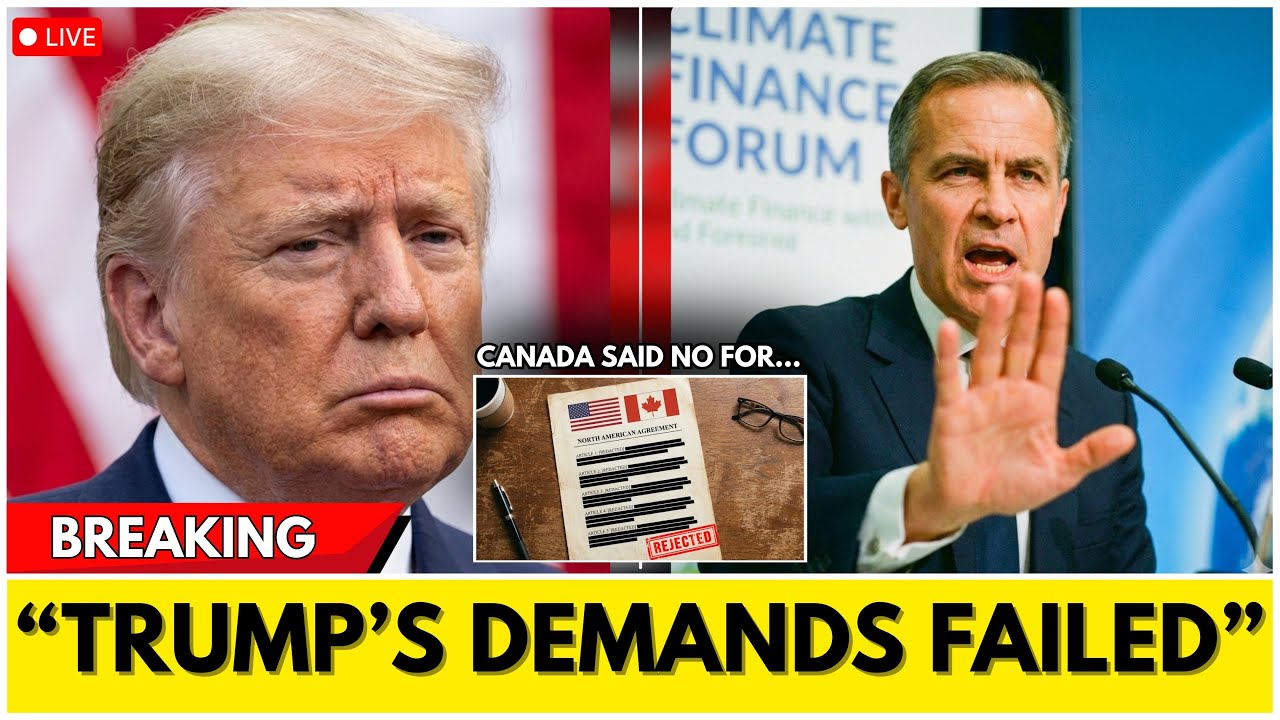
Carney’s refusal was not an act of defiance but a calculated strategy rooted in leverage. Each U.S. demand revealed a point of American vulnerability. Expanded dairy access signaled struggling U.S. producers, pressure on digital media laws exposed billions at stake for American tech firms, and procurement complaints showed Canada’s success in keeping public spending domestic. By saying no across the board, Carney effectively highlighted how much Washington needs Canadian cooperation.
On dairy alone, Canada’s position is legally locked. Supply management is protected by law, particularly vital in Quebec, where it underpins thousands of jobs. On digital media, Canada has drawn a firm line around cultural sovereignty, forcing platforms like Netflix and YouTube to invest in Canadian content and journalism. Rolling back those laws would mean surrendering domestic culture to Silicon Valley—an option Carney has decisively ruled out.
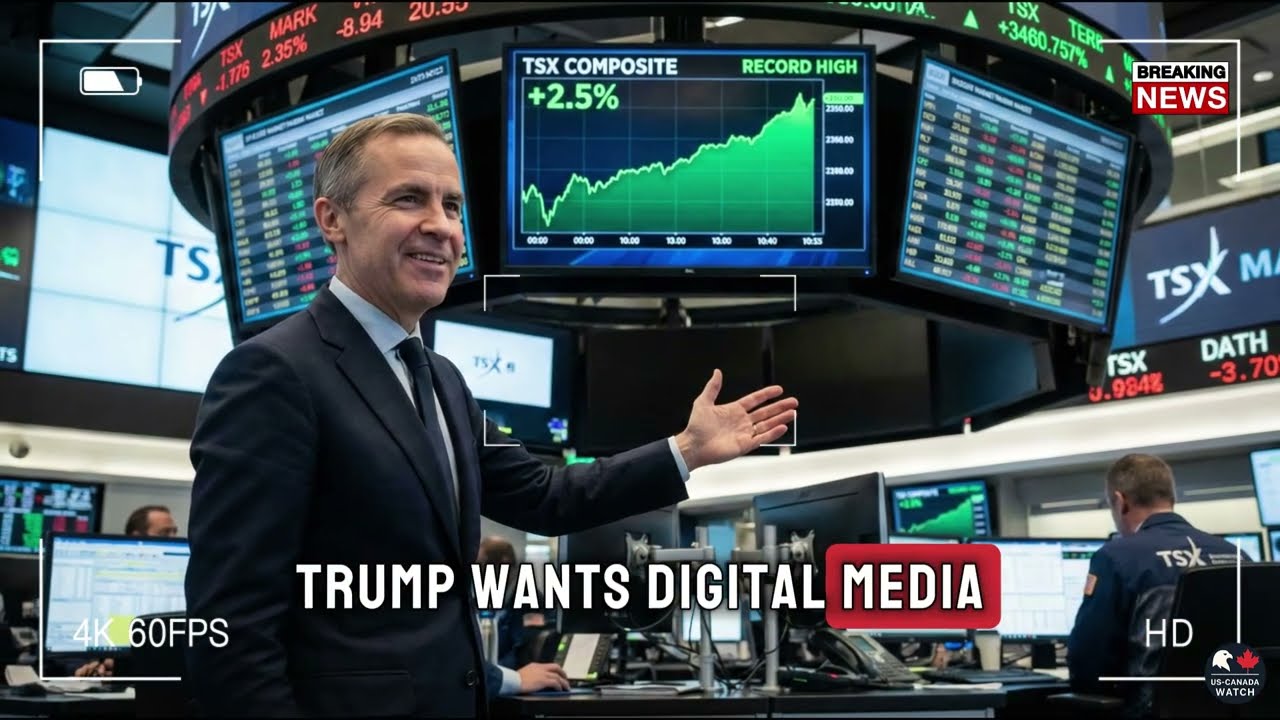
The most revealing pressure point, however, lies beyond the five demands: the auto and energy sectors. Nearly a quarter of U.S. refinery feedstock comes from Canadian oil, and vast regions of the United States rely on Canadian electricity during peak demand. Meanwhile, North American auto supply chains are deeply integrated, with parts crossing borders multiple times before a vehicle is completed. If the trade agreement collapses, American manufacturers would suffer faster and harder than Canada.
Carney has further strengthened his hand by diversifying Canada’s trade options. Targeted tariff arrangements with China, expanding European partnerships, domestic “Buy Canadian” policies, and control over critical minerals have reduced Canada’s historical dependence on U.S. markets. These moves don’t replace the United States—but they make walking away from a bad deal possible for the first time in decades.
As the trade review approaches, the reality is becoming harder for Washington to ignore. Nearly every major U.S. industry—from automakers to energy and agriculture—has warned Congress that the agreement must continue. Trump may posture as if the deal is optional, but his own demands reveal the truth. Canada no longer needs to bend to keep the system alive, and Carney’s five refusals may mark the beginning of a new balance of power in North American trade.