How Mark Carney Exposed the Limits of Donald Trump’s Pressure Politics
For years, Donald Trump relied on the same core strategy when dealing with allies and adversaries alike: threaten first, create uncertainty, and force concessions through pressure. Tariffs, public confrontations, and economic intimidation were not simply policy tools. They were weapons, designed to destabilize opponents and extract compliance before resistance could form.
In many cases, that approach worked.
Governments chose the path of least resistance. They made deals that favored Trump, accepted unfavorable terms, and backed down quietly to avoid prolonged conflict. Fear did much of the work for him.
Canada chose a different path.
Canada refused.
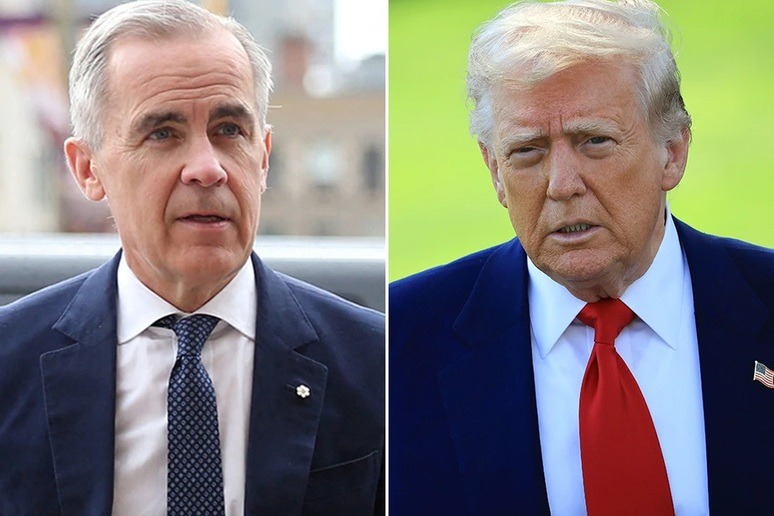
And Mark Carney refused with it.
Today, the consequences of that decision are becoming increasingly clear. Across North America and beyond, officials, investors, and policymakers are beginning to acknowledge an uncomfortable truth: Donald Trump’s pressure campaign against Canada failed. Even more consequential, Mark Carney’s response has emerged as a practical model for resisting political and economic intimidation in an era of rising nationalism.
A Relationship Under Strain
The Canada–United States relationship has entered one of the most unstable periods in modern history. For decades, the two countries were deeply integrated economically, politically, and institutionally. They built products together, shared supply chains, and designed entire industries around cooperation and mutual dependence.
That integration was once celebrated as a strength.
Today, it is increasingly viewed as a vulnerability.
“America First” has replaced partnership. Nationalism has replaced coordination. And long-standing trust has been replaced by strategic caution.
Observers who compare Trump’s first term to his current political posture note that something fundamental has shifted. While unpredictability existed before, it is now accompanied by deeper questions about the reliability of the United States as a long-term partner — not just for Canada, but for the world.
Trade as a Weapon, Not a Policy
Under Trump, trade was transformed into a political weapon. Tariffs were no longer primarily economic instruments. They became tools of intimidation, deployed impulsively and often without legal clarity or long-term planning.
Many of these threats were never intended to be permanent. Their purpose was psychological. They were meant to frighten markets, unsettle governments, and force rapid concessions before opponents could coordinate effective responses.
That strategy depended on one essential ingredient: fear.
While Trump relied on confrontation and chaos, Mark Carney focused on something far less dramatic but far more durable — preparation.
The Power of Institutional Resilience
Long before tensions escalated, Canada began reinforcing its economic and political foundations. Trade relationships were diversified. Domestic infrastructure was strengthened. Supply chains were secured. Regulatory systems were modernized.
Institutional resilience became a central priority.
As a result, when external pressure arrived, Canada did not scramble for emergency solutions. It remained stable, confident, and strategically consistent. That stability was not accidental. It was deliberately built over time.
As pressure intensified, many countries adjusted their positions to reduce immediate risk. They softened their stances, accepted compromises, and prioritized short-term relief over long-term leverage.
Canada did not.
Instead, it held its ground. It protected key interests and refused to trade long-term sovereignty for temporary calm.
Despite sustained pressure, Canada preserved its trade framework with the United States. Markets remained open. Investment continued. Supply chains functioned. The predicted collapse never materialized.
Intimidation alone proved insufficient.
Why Canada’s Strategy Worked
Canada’s response is now being studied carefully by governments, investors, and trade negotiators worldwide. The reason is simple: it delivered results without escalation.
Canada absorbed pressure without panic.
It maintained access without submission.
It preserved sovereignty without isolation.
This approach has become a reference point in modern economic diplomacy — not because it generated headlines, but because it worked.
Carney’s strategy denied Trump the advantages his pressure tactics require. There was no fear-driven decision-making. No rushed concessions. No emotional retaliation.
Without panic, pressure loses its power.
Threats only work when they are believed. Canada stopped believing.
The Cost to the United States
Trump’s pressure campaign produced unintended consequences — particularly for the United States itself.
Supply chains weakened.
Investor confidence declined.
Allies diversified their partnerships.
Markets became more cautious.
Perhaps most damaging of all, America’s reputation as a predictable and reliable partner suffered.
At the same time, Canada’s reputation improved. Stability became its advantage. Reliability became its currency. In a volatile global environment, those traits matter more than dominance.
The relationship between Canada and the United States did not disappear. It transformed.
Canada no longer operates on assumptions of automatic goodwill. It now approaches the relationship with calculation, preparation, and institutional strength.
That is a more mature and resilient form of partnership — one forged under sustained pressure.
A Model for the World
This story is not simply about tariffs or trade agreements. It is about power, strategy, and institutional resilience.
Donald Trump believed pressure would force compliance. Instead, it produced resistance. He believed intimidation would bring control. Instead, it encouraged independence.
Mark Carney did not defeat Trump through confrontation. He did so through preparation, patience, and strong institutions.
Canada did not shout. It did not threaten. It did not escalate. It remained focused, disciplined, and consistent.
As a result, governments around the world are now paying attention.
They are learning that effective leadership does not require chaos. It requires credibility, coherence, and long-term planning.
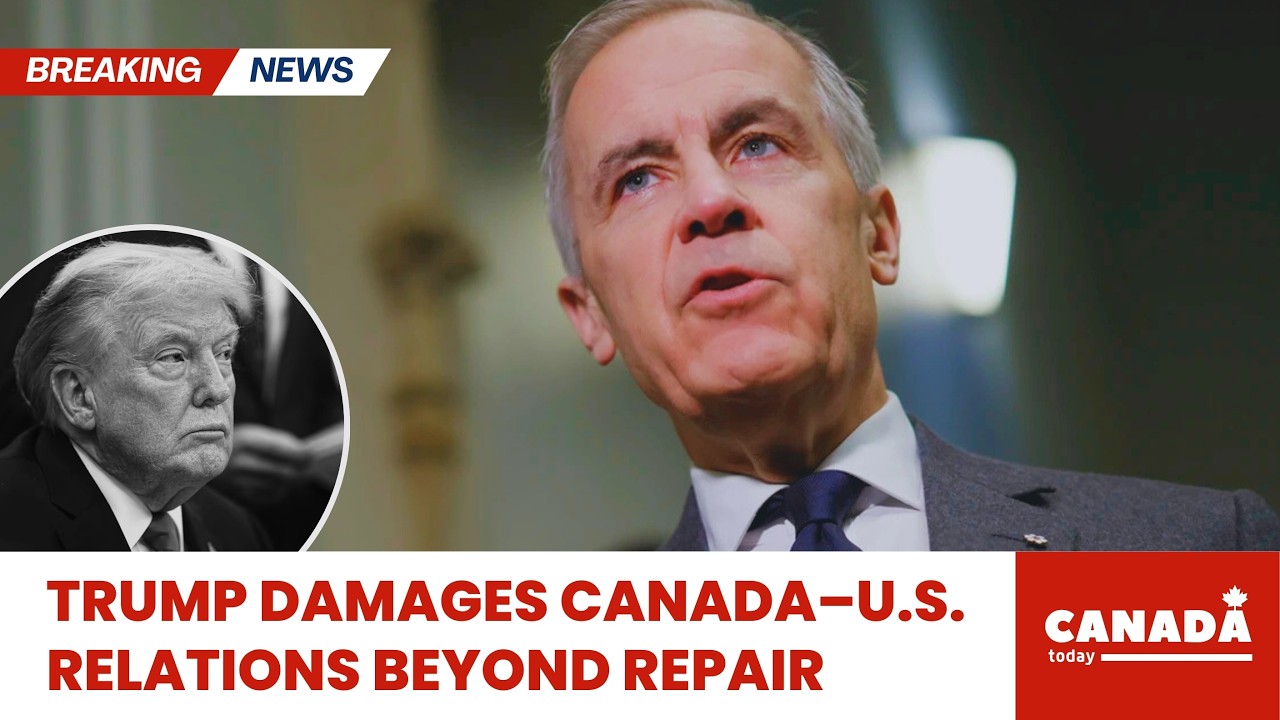
In the end, Trump weakened one of the world’s most respected bilateral relationships. He damaged trust and reduced influence. And he achieved the opposite of what he intended.
Because when the pressure stopped working, Canada was still standing — and Trump was standing alone.