Europe and Canada Prepare for a Post-America NATO as Trump Threatens Allied Sovereignty
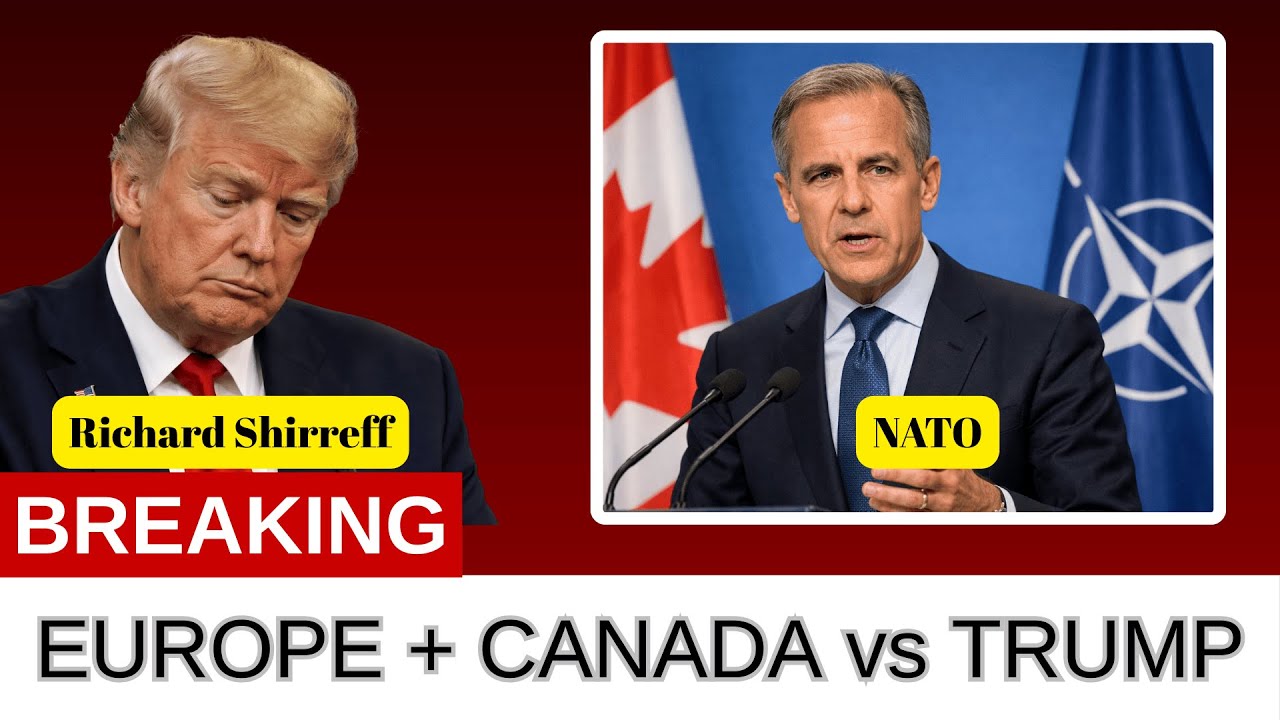
A NATO Taboo Is Broken
What happens when the most powerful ally in an alliance becomes its greatest threat?
That question is no longer theoretical. European and Canadian defense ministers are now quietly war-gaming scenarios that would have been unthinkable just a year ago—a future in which the United States can no longer be treated as a reliable NATO partner.
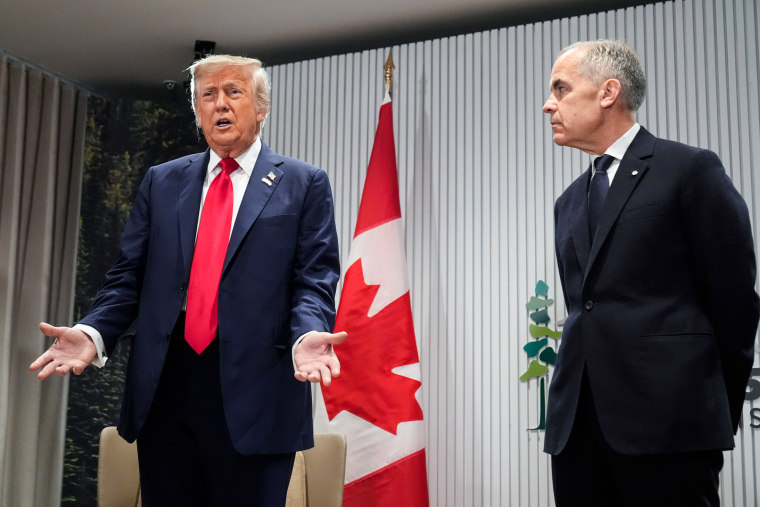
The catalyst was simple but explosive: the Trump administration openly threatening the territorial sovereignty of NATO members, most notably Denmark over Greenland and Canada itself.
For the first time since NATO’s founding, Western defense planners are preparing without Washington.
The Moment NATO’s Core Assumption Collapsed
In late January 2026, former NATO Deputy Supreme Allied Commander General Sir Richard Shirreff delivered a stark warning to European defense officials in Brussels:
“When NATO’s strongest member threatens one of its weakest, the alliance’s foundations crack. Europe and Canada must prepare for a world without Washington.”
This was not speculation. It was strategic reality.
Trump’s repeated, explicit claims over Greenland—Danish sovereign territory—and his characterization of Canada as a “51st state” were not dismissed as rhetoric. As Shirreff warned, authoritarians mean what they say.
The trust damage was irreversible.
Why Europe and Canada Acted—Quietly but Decisively
Rather than issuing public protests, Brussels and Ottawa began drafting contingency plans that exclude U.S. leadership entirely.
Military planners now consider scenarios once deemed absurd, including:
-
U.S. coercion against a NATO ally
-
Alliance paralysis in a territorial dispute
-
A fractured West vulnerable to Russian and Chinese exploitation
If U.S. forces were to land in Greenland, they would face Danish defenses backed by allies—including Britain and Canada—instantly exposing NATO as unworkable.
That outcome would be a strategic gift to Vladimir Putin.
Canada’s Role Becomes Central
Europe’s initial response—seeking exemptions, bilateral deals, and accommodation—nearly failed. Trump thrives on division. Fragmentation would have ended NATO in practice.
That’s when Europe turned to Canada.
Canada shares:
-
Arctic sovereignty concerns
-
Commitment to multilateral defense
-
Resistance to coercion from Washington
Ottawa became the partner European capitals trusted to stand firm when pressure came.
A Europeanized NATO, Not a Dismantled One
The solution being developed is not NATO’s collapse—but its rebalancing.
Key elements include:
-
Increased European defense spending now, not later
-
Reduced dependence on U.S. leadership
-
Focus on modern warfare: drones, AI, logistics, resilience
-
Sustained war-fighting capacity, not symbolic readiness
Europe and Canada already possess the command structures, doctrine, and interoperability needed. What’s changing is who leads.
The Canada–EU Defense Partnership Changes Everything
In June 2025, Canada and the EU formalized a comprehensive security partnership. By December, Canada joined the EU’s €150 billion Security Action for Europe program—the first non-European nation to do so.
Britain, France, Germany, Poland, and Canada now form the operational core of a new Western defense framework—one capable of functioning without U.S. guarantees.
Final Reality Check
The next chapter of Western security is being written now—without American leadership.
Not because Europe and Canada wanted this outcome, but because under Trump, America chose unpredictability over alliance trust.
The phone calls between Brussels and Ottawa are already happening.
The defense architecture is already shifting.
The Europeanization of NATO has already begun.
The only remaining question is whether it happens fast enough.