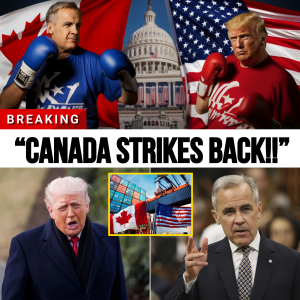
GERMANY DROPS WORLD CUP BOMBSHELL — FIFA’S 2026 PLAN SUDDENLY IN JEOPARDY
Germany has sent shockwaves through global football after a senior official openly stated that a boycott of the 2026 World Cup must be “seriously considered.” The comment, delivered calmly by a vice president of the German Football Association, immediately changed the tone around a tournament that was supposed to be a guaranteed celebration. What sounded like a measured remark quickly exposed how fragile FIFA’s plans really are.
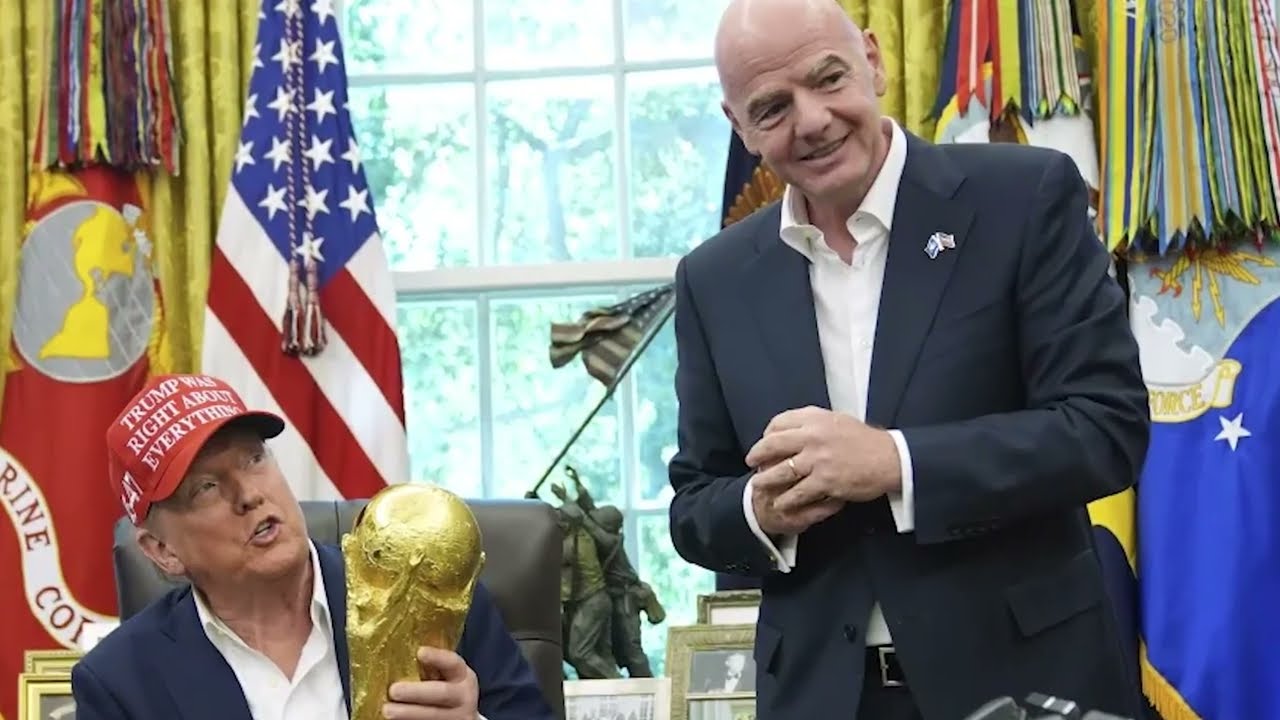
Unlike fan protests or social media outrage, this warning came from inside one of football’s most influential institutions. Germany is not known for careless statements, and its words carry historic weight in international sport. The mere suggestion of non-participation transformed the 2026 World Cup from a logistical event into a political risk, forcing FIFA to manage uncertainty instead of excitement.
The timing could not be worse. With sponsorship and broadcasting deals worth billions already signed, the tournament depends heavily on Europe’s biggest teams to anchor global viewership. Germany alone represents massive television audiences across Europe, Africa, and Asia. Once doubt entered the conversation, sponsors and broadcasters quietly began recalculating risk rather than celebrating guaranteed returns.
What made the situation more destabilizing was the broader context. Immigration rules, diplomatic tensions, and political rhetoric in the United States suddenly became inseparable from match schedules and ticket sales. A World Cup relies on open borders, predictable travel, and the perception of welcome. When those conditions appear uncertain, confidence erodes fast.
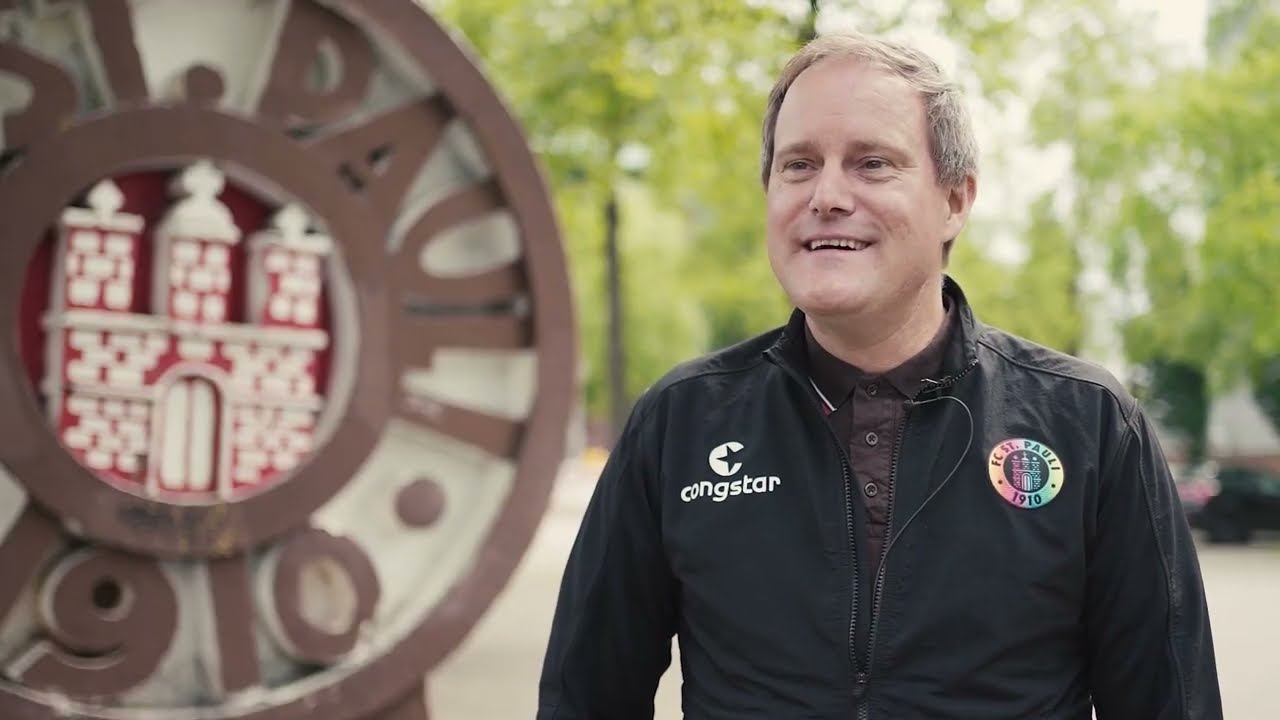
Germany’s reference to historical Olympic boycotts was not emotional—it was strategic. Sporting boycotts have reshaped global events before, sometimes permanently. By invoking that history, German officials did not need to announce a boycott outright. Making the idea credible was enough to unsettle FIFA’s entire financial and political framework.
As Germany spoke, other European nations shifted their tone. Denmark acknowledged the sensitivity of the situation, France avoided firm commitments, and British media began treating boycott scenarios as plausible rather than extreme. This careful language mattered more than loud threats. In global diplomacy, hesitation often signals preparation.
Meanwhile, Canada and Mexico quietly positioned themselves as stabilizing forces. Without public criticism or confrontation, both countries emphasized predictability, experience, and reliability. In contrast to growing uncertainty around the U.S. portion of the tournament, they appeared ready to shoulder greater responsibility if needed.
The 2026 World Cup was meant to showcase scale, unity, and profit. Instead, Germany’s statement turned it into a stress test for FIFA’s authority. Once participation is no longer assumed, power shifts away from institutions and toward nations willing to walk away. Germany did not cancel the World Cup—but it asked a question FIFA hoped would never be raised: what happens if the world decides not to come?