Mexico has publicly aligned itself with Canada’s diplomatic strategy unveiled at the World Economic Forum in Davos, marking a significant moment in North American geopolitics. The move comes as Donald Trump’s proposed 25% tariffs on key imports send shockwaves through trade markets, forcing U.S. neighbors to rethink economic alliances and collective leverage on the global stage.
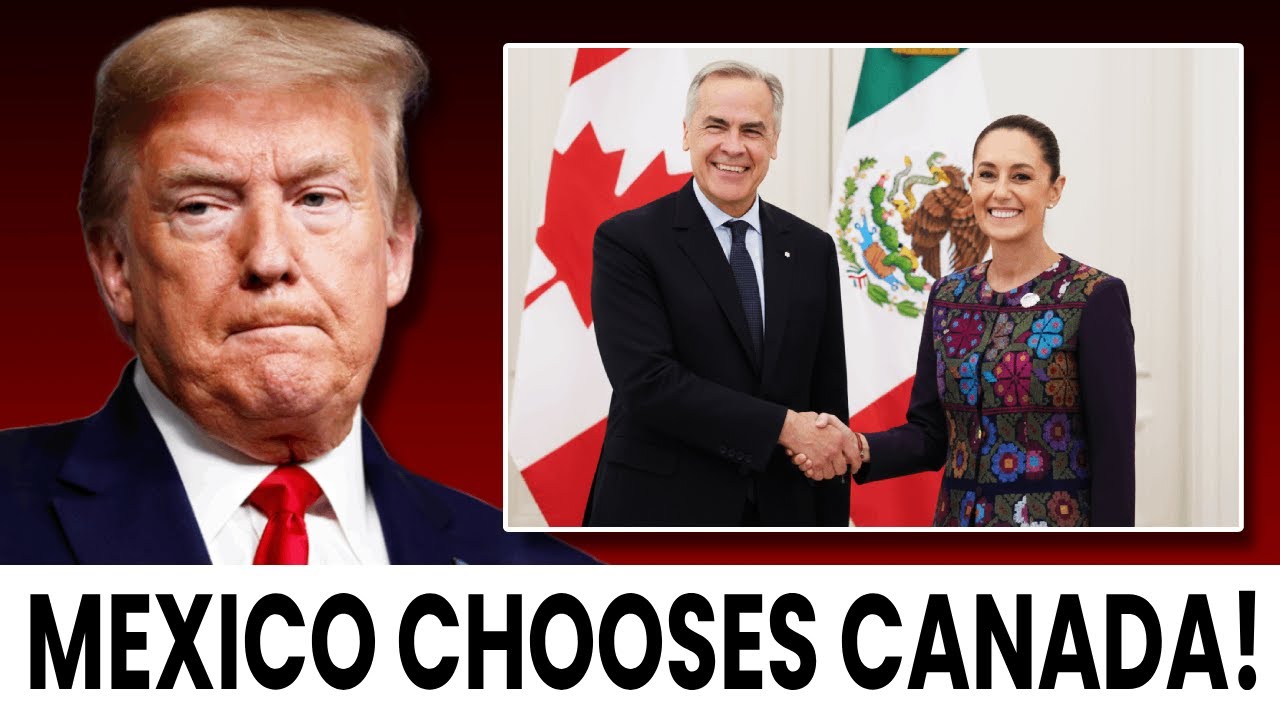
Speaking through senior officials, Mexico signaled strong support for Canada’s push to frame North America as an integrated, rules-based economic bloc rather than a collection of competing national interests. The message from Davos was clear: unilateral tariffs threaten regional stability, supply chains, and long-term growth, particularly in manufacturing, energy, and agriculture.
Trump’s tariff threat—aimed at protecting domestic industries—has instead triggered concerns of retaliation and fragmentation. Economists warn that a 25% levy could raise consumer prices, disrupt cross-border production, and weaken North America’s competitiveness against Europe and Asia. For Mexico and Canada, the tariffs are not just an economic issue, but a strategic one.
By backing Canada, Mexico is amplifying a coordinated response that seeks to pressure Washington through diplomacy, global opinion, and investor sentiment. Analysts describe this as a new North American power play, where U.S. allies leverage international platforms like Davos to counterbalance protectionist policies without triggering an immediate trade war.

The timing is critical. With global markets already rattled by geopolitical tensions and slowing growth, multinational corporations are watching closely. Canada and Mexico are positioning themselves as predictable, pro-trade partners, hoping to attract investment while subtly isolating tariff-driven policy shifts from Washington.
As the debate intensifies, one thing is certain: North America is entering a new phase of economic diplomacy. Whether Trump’s tariff strategy hardens or softens under pressure, the public alignment between Mexico and Canada signals that regional unity may become the most powerful tool in shaping the continent’s economic future.