Canada Just Exposed the Truth About Trump’s Tariffs: Empty Threats and a Strategic Backfire
Why Every Trump Tariff Threat Against Canada Has Collapsed
For years, Donald Trump has relied on tariffs as his favorite weapon. Loud announcements. Dramatic deadlines. Sweeping threats of economic punishment. But Canada has now demonstrated something Wall Street only figured out later: Trump’s tariff threats are not policy — they are negotiation theater.
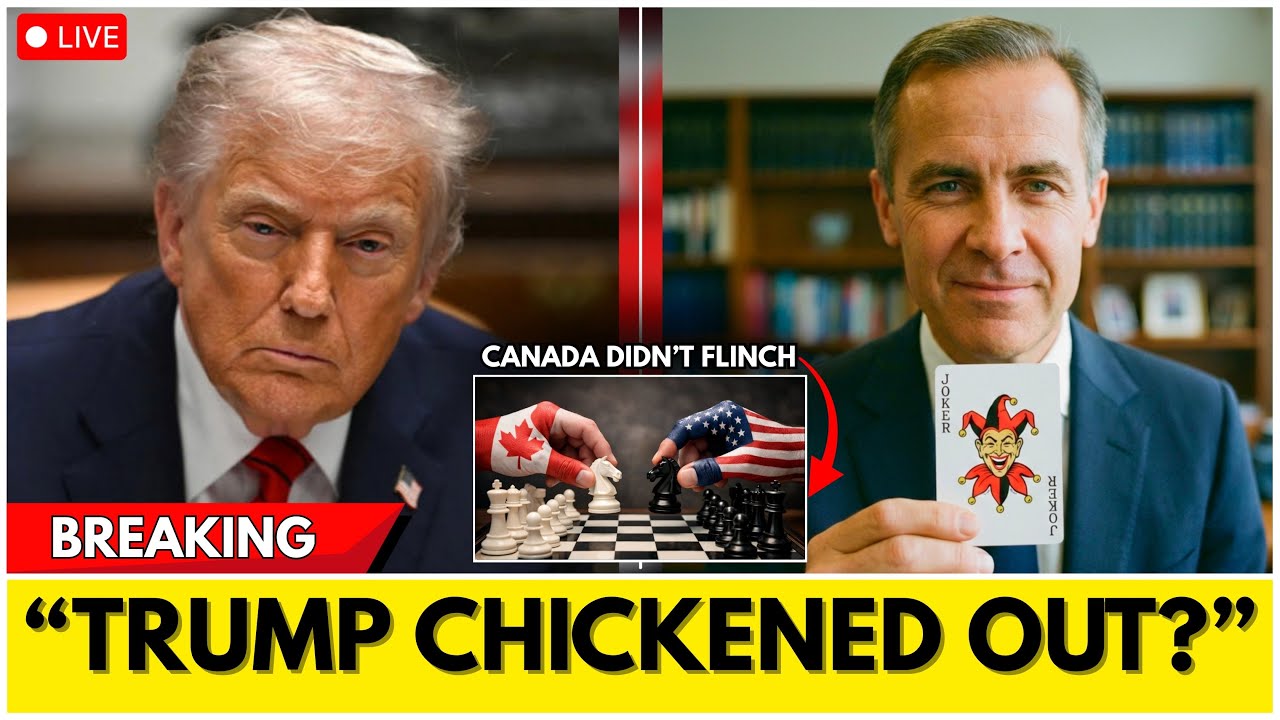
Traders coined a nickname for it: TACO — Trump Always Chickens Out. Markets learned to bet on reversals, exemptions, and quiet walk-backs. But Canada learned something far more important. Every failed tariff threat proved that Ottawa could ignore the noise, refuse to panic, and build real independence while Washington bluffed.
And that is exactly what Canada has been doing.
The Bombardier Threat That Lasted 24 Hours
The clearest example came on Thursday night, January 29th.
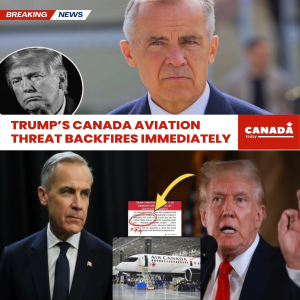
Trump posted on Truth Social threatening 50% tariffs on all Canadian aircraft sold in the United States and the decertification of every plane built in Canada, explicitly targeting Bombardier Global Express jets. The justification? Transport Canada had not certified Gulfstream’s newest business jets because required fuel icing system tests were incomplete — a legitimate safety issue acknowledged by Gulfstream itself.
Trump’s response to a foreign regulator doing its job was to threaten grounding 5,425 Canadian-built aircraft currently operating in U.S. airspace — planes flown by American Airlines, Delta, private jet owners, and U.S. corporations.
Markets reacted immediately. Bombardier stock dropped 9%. Aviation lawyers fielded panicked calls. The threat sounded catastrophic.
By Friday afternoon, reality intervened.
A White House spokesperson told Reuters that the threat would not apply to aircraft already operating in U.S. fleets, only to new planes. In less than 24 hours, the threat went from grounding all Canadian aircraft to exempting every plane currently flying.
That wasn’t trade policy. It was a social media post backing itself into a corner and quietly retreating.
What Trump never acknowledged is that Bombardier employs 3,000 workers in the United States across nine facilities, relies on 2,800 American suppliers in 47 states, and sources more than half the value of each jet from U.S. manufacturing. The threat hurt American workers and suppliers far more than it pressured Canada.
Ottawa didn’t panic. Transport Minister Steve MacKinnon contacted Bombardier directly and coordinated quietly. No concessions. No emergency summits. Because Canada already knew how this would end.
The 25% Tariff That Wasn’t
This pattern began earlier.
Before returning to office, Trump announced 25% tariffs on all Canadian goods, citing fentanyl trafficking and border security. The rhetoric was absolute. The reality was not.
As tariffs rolled out through early 2025, exemptions quietly multiplied. Goods compliant with the Canada–U.S.–Mexico Agreement received carve-outs. Energy products were treated separately. Agricultural products faced modified rates. Each week diluted the original threat.
But while Trump talked, Canada acted.
Ottawa launched the Buy Canadian initiative, redirecting roughly $70 billion in federal procurement away from American suppliers toward Canadian companies. Not as retaliation — as strategy.
Canadian consumers followed. Grocery stores replaced U.S. brands with domestic alternatives. Travelers canceled Florida vacations and booked trips at home. Canadian wine replaced American wine on restaurant menus. What began as caution turned into cultural momentum.
Every Trump threat became free advertising for Canadian economic independence.
The 100% China Tariff That Never Came
Trump’s most dramatic threat was supposed to be decisive: 100% tariffs on all Canadian exports if Canada proceeded with a trade arrangement with China involving agricultural exports and electric vehicle import quotas.
The threat arrived — predictably — via Truth Social. No executive order followed. No timeline. No enforcement mechanism.
By the time Trump posted, the deal was already done.
Canadian canola continued flowing to China. Chinese EVs entered Canada under agreed quotas. Days passed. Then weeks. Nothing happened.
This was the moment Canada’s diversification strategy stopped being a contingency plan and became permanent. If Trump could threaten total economic warfare and fail to act, then Canada no longer needed U.S. approval to trade with the world.
Europe wanted Canadian electricity and natural gas. Asia wanted potash and critical minerals. China wanted agricultural supply stability. The U.S. was no longer the sole gatekeeper.
The Energy Reality Trump Can’t Escape
The deepest reason Trump’s threats keep collapsing is energy.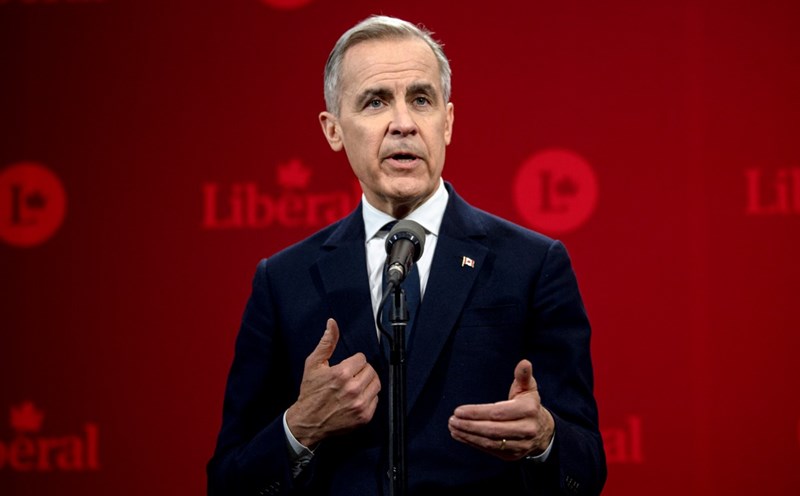
The United States imports 3.8 million barrels of Canadian crude oil per day — roughly 23% of total U.S. refinery feedstock. Gulf Coast refineries were specifically engineered to process Canadian heavy crude. The BP Whiting refinery alone handles 430,000 barrels per day from Canada.
These facilities cannot simply switch suppliers. The chemistry does not allow it.
Serious tariffs on Canadian energy would shut down refineries, spike gasoline prices, raise heating costs, and hit American consumers immediately. Trump knows this. That’s why energy is always excluded, delayed, or quietly exempted.
Meanwhile, Canada is expanding options. The Trans Mountain pipeline now moves 890,000 barrels per day toward Pacific markets. LNG terminals in British Columbia serve contracts with Japan, South Korea, and China. Canada’s leverage exists whether Ottawa mentions it or not.
Mark Carney’s Strategic Patience
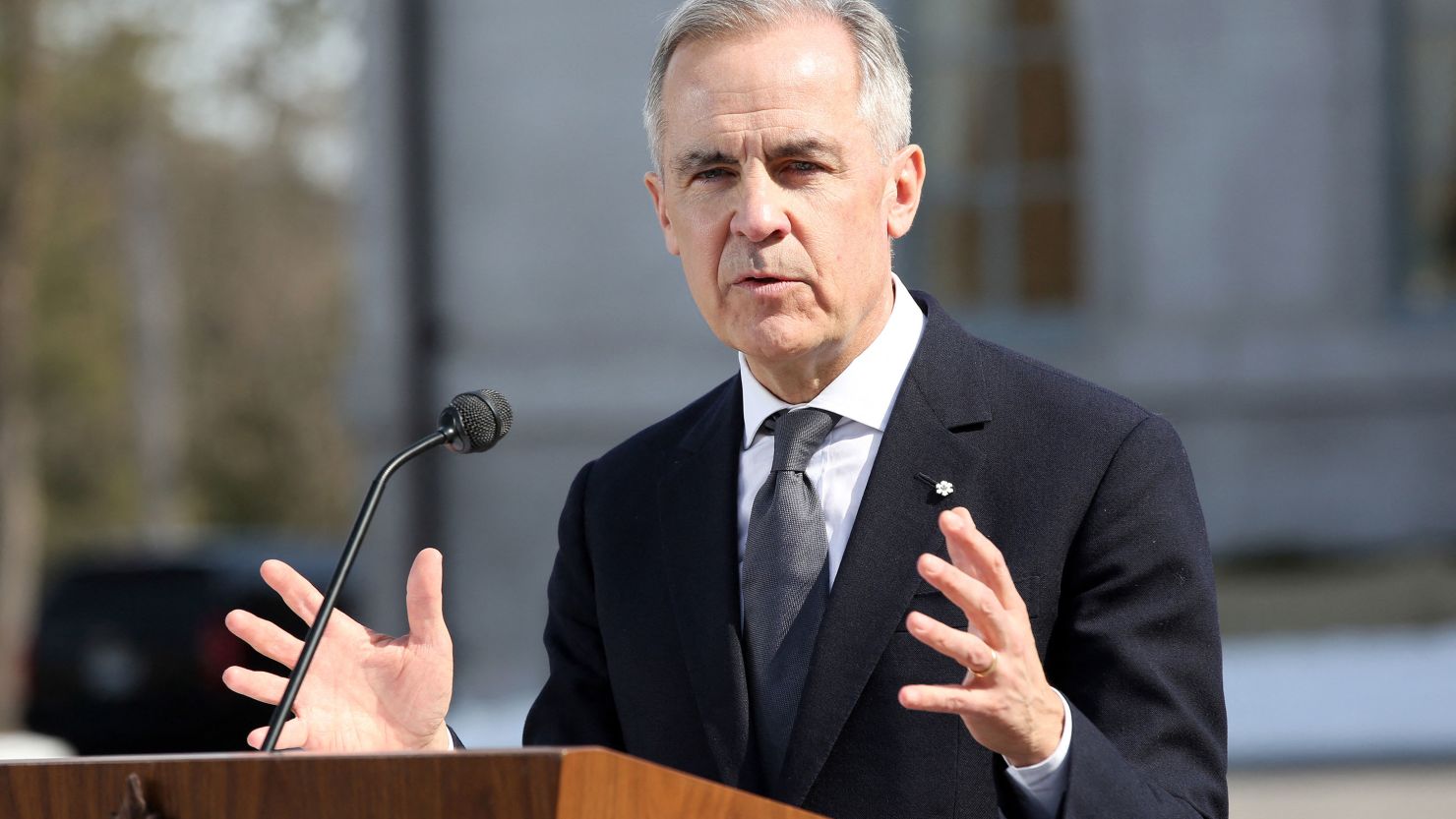
Prime Minister Mark Carney has taken a radically different approach from previous Canadian leaders.
Justin Trudeau tried to negotiate, compromise, and de-escalate. Carney does none of that. His strategy is patience.
Let Trump threaten. Let the threat linger. Wait for the walk-back. Then use the failure as proof Canada should keep building independence.
When Trump mocked him as a “governor,” Carney didn’t demand apologies. He used it as evidence that Canada must stop accepting subordination. When Trump threatened 100% tariffs, Carney didn’t cancel the China deal. He let the threat evaporate on its own.
This is not weakness. It is calculated confidence.
Courts Are Undermining Trump’s Tariff Power
While Canada diversified, U.S. courts dismantled Trump’s tariff authority.
On May 28, 2025, the U.S. Court of International Trade ruled that Trump’s tariffs imposed under the International Emergency Economic Powers Act were unlawful. The Federal Circuit affirmed the ruling in August. The case now sits before the Supreme Court, where justices across ideological lines expressed skepticism.
If the Court strikes down the tariffs, Trump loses the very weapon he has been waving at Canada for a year.
Canada doesn’t need to fight this battle. American institutions are doing it for them.
July 2026: Canada Negotiates From Strength
The Canada–U.S.–Mexico Agreement comes up for mandatory review in July 2026. Trump wants concessions on dairy, culture, digital taxes, and permanent sectoral tariffs. But he enters those talks after 12 months of empty threats.
Carney enters with alternatives: China agricultural markets, European energy partnerships, Asian pipelines, $70 billion redirected domestically, and public opinion prepared for independence.
Trump thought threats would force concessions. Instead, they handed Canada leverage.
Wall Street made money betting on reversals. Canada built a future.
And by the time negotiations arrive, Canada won’t be negotiating from fear — but from strength Trump himself helped create, one empty threat at a time.