Jack Smith Testifies Under Oath, Says Trump Caused January 6 as DOJ Faces Authoritarian Test
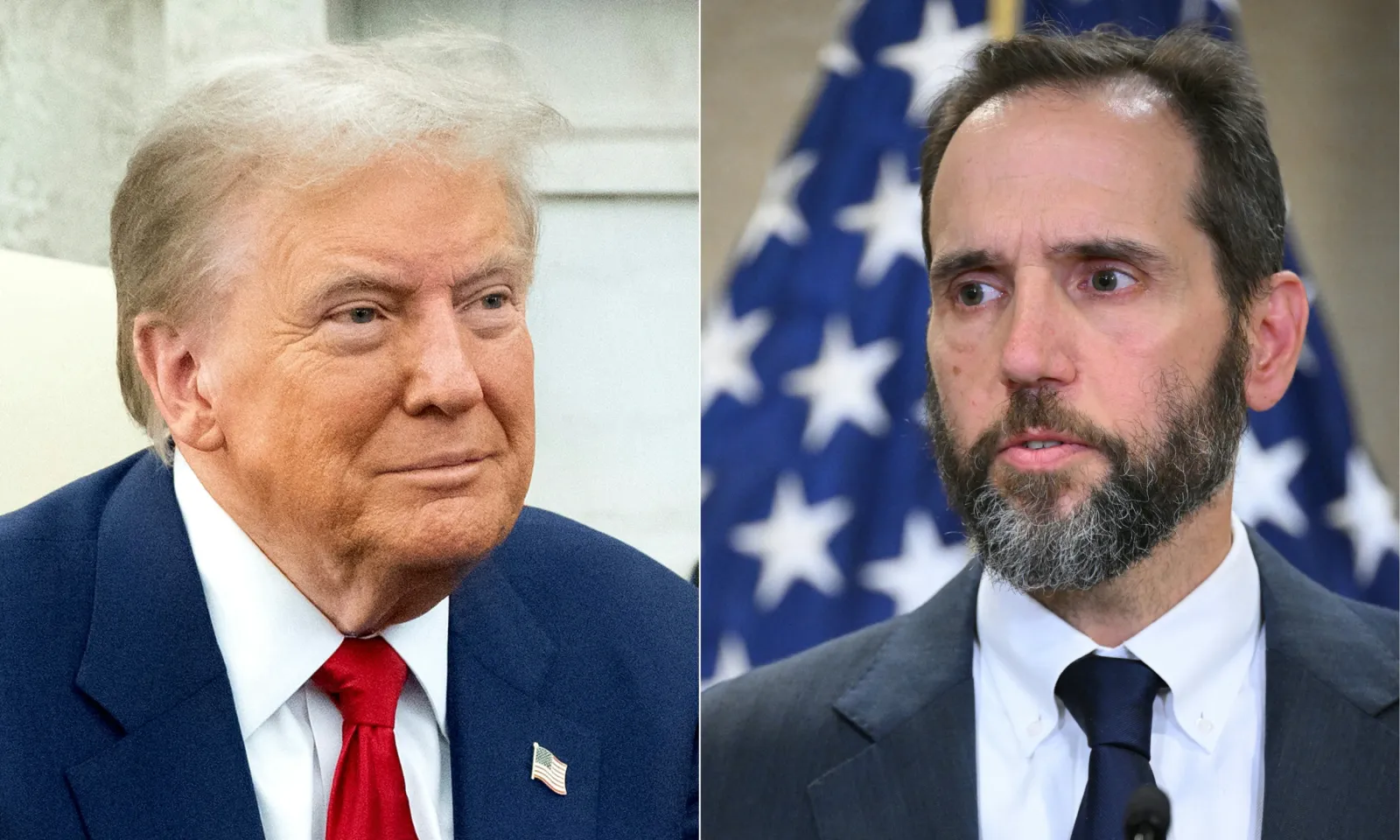
With just 284 days remaining until the U.S. midterm elections, Washington has been shaken by a historic and deeply consequential moment.
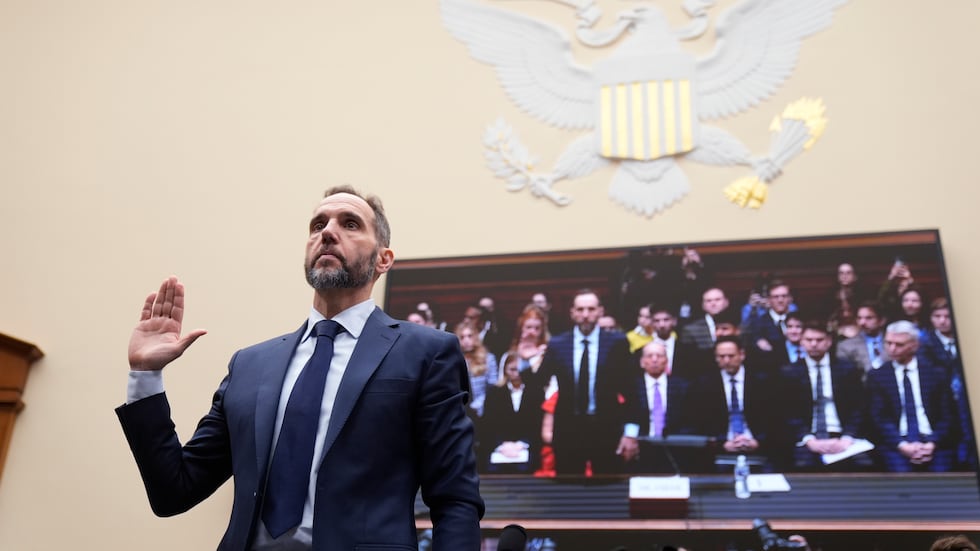
For the first time, former Department of Justice Special Counsel Jack Smith testified publicly before the House Judiciary Committee, laying out the findings of his investigation into Donald Trump’s actions following the 2020 presidential election.
“Proof Beyond a Reasonable Doubt”
Under oath, Smith stated unequivocally that his investigation uncovered evidence beyond a reasonable doubt that Donald Trump engaged in criminal conduct. According to Smith, if the same facts were evaluated today without the constraints of DOJ policy, Trump should have been prosecuted, emphasizing that no one in the United States is above the law.
Smith explained that the sole reason Trump avoided prosecution was not innocence, but the long-standing Justice Department rule barring criminal charges against a sitting president.
Smith: Trump Caused January 6
The most explosive moment of the testimony came when Smith directly stated that Donald Trump caused the events of January 6, 2021. He testified that Trump knowingly fueled an environment ripe for violence and intended to exploit that violence to block the certification of Joe Biden’s election victory and cling to power unlawfully.
According to Smith, Trump was warned repeatedly—by campaign officials, White House staff, Justice Department personnel, and state officials—that his claims of election fraud were false. Despite this, Trump continued pushing those lies and directed an angry crowd toward Congress, fully aware violence could erupt.
Smith described how Trump failed to act for hours while the Capitol was under siege, ignoring pleas from advisers and family members as police officers were assaulted and lawmakers hid for safety. Only after it became clear the attack had failed did Trump tell his supporters to disperse.
Trump Responds With Threats
While Smith testified calmly before Congress, Trump reacted publicly on Truth Social, launching personal attacks against Smith and calling him a “deranged animal.” Trump openly suggested that Smith himself should be investigated and hinted that the Attorney General should “take a look” at him.
Lawmakers characterized Trump’s statements as threats. When asked about them, Smith testified that he fully expects Trump’s Justice Department to attempt to indict him, describing the president’s actions as intimidation and retaliation.
Smith warned that Trump is attempting to weaponize the Department of Justice against the prosecutor who investigated him—behavior Smith explicitly labeled authoritarian.
Pattern of Intimidation and Obstruction
Smith also testified that Trump has a documented pattern of threatening witnesses, prosecutors, and anyone who cooperates with investigations into his conduct. He revealed under oath that Trump previously suggested a January 6 witness deserved the death penalty—an allegation Trump denies, but which now stands as sworn congressional testimony.
According to Smith, these actions demonstrate clear intent to obstruct justice and intimidate witnesses, forming an official historical record of presidential abuse of power.
Republicans Attack the Process, Not the Evidence
Republican lawmakers attempted to discredit Smith by questioning his appointment, budget, and motives, branding the investigation as politically driven. However, they failed to rebut the core findings.
Smith reaffirmed that his investigation was lawful, impartial, and evidence-driven. He emphasized that multiple Trump allies—including campaign staff and DOJ officials—testified that Trump knew he lost the election and pursued illegal schemes anyway.
Smith also dismantled Trump’s defense in the classified documents case, noting that claims of blanket declassification were unsupported by law or testimony, including from Trump’s own witnesses under oath.
A Warning for American Democracy
Smith’s testimony went beyond recounting past misconduct—it served as a warning. He cautioned that if prosecutors who investigate presidents face retaliation and criminal charges, the rule of law collapses. Accountability disappears, and democracy gives way to authoritarian rule.
If Trump succeeds in prosecuting Smith, Smith warned, future prosecutors will hesitate to investigate presidential wrongdoing, and witnesses will fear coming forward—effectively placing presidents above the law.
What Happens Next
Attention now turns to whether Trump’s Justice Department, led by loyalists, will attempt to pursue charges against Jack Smith. Such a move would trigger a potential constitutional crisis, forcing courts and Congress to decide whether presidential retaliation will be allowed to stand.
Smith’s sworn testimony is now part of the congressional record—evidence that will be cited by prosecutors, historians, and lawmakers for years to come.
This is no longer just a legal dispute.
It is a defining test of whether American democracy can enforce accountability—or whether presidential power will be allowed to operate without limits.