Donald Trump Faces Unexpected Disruptions in Iowa Rally Amid Economic Claims and Midterm Tensions
In a state long regarded as a bastion of Republican loyalty, former President Donald Trump encountered an unusually tense atmosphere during a recent campaign appearance in Clive, Iowa. The event, intended to rally support ahead of the upcoming midterms and underscore the administration’s economic achievements, instead highlighted emerging fractures even within friendly territory.
A Familiar Setting Turns Contentious
The rally at the Horizon Events Center drew hundreds of supporters eager to hear President Trump tout what he described as a “booming” economy. He highlighted provisions from recent legislation, including measures like no tax on tips and overtime, alongside praise for tariffs that he said had spurred manufacturing investments and bolstered industries such as ethanol production and agriculture. Trump pointed to rising incomes, soaring investment, and defeated inflation as evidence of progress since his return to office.
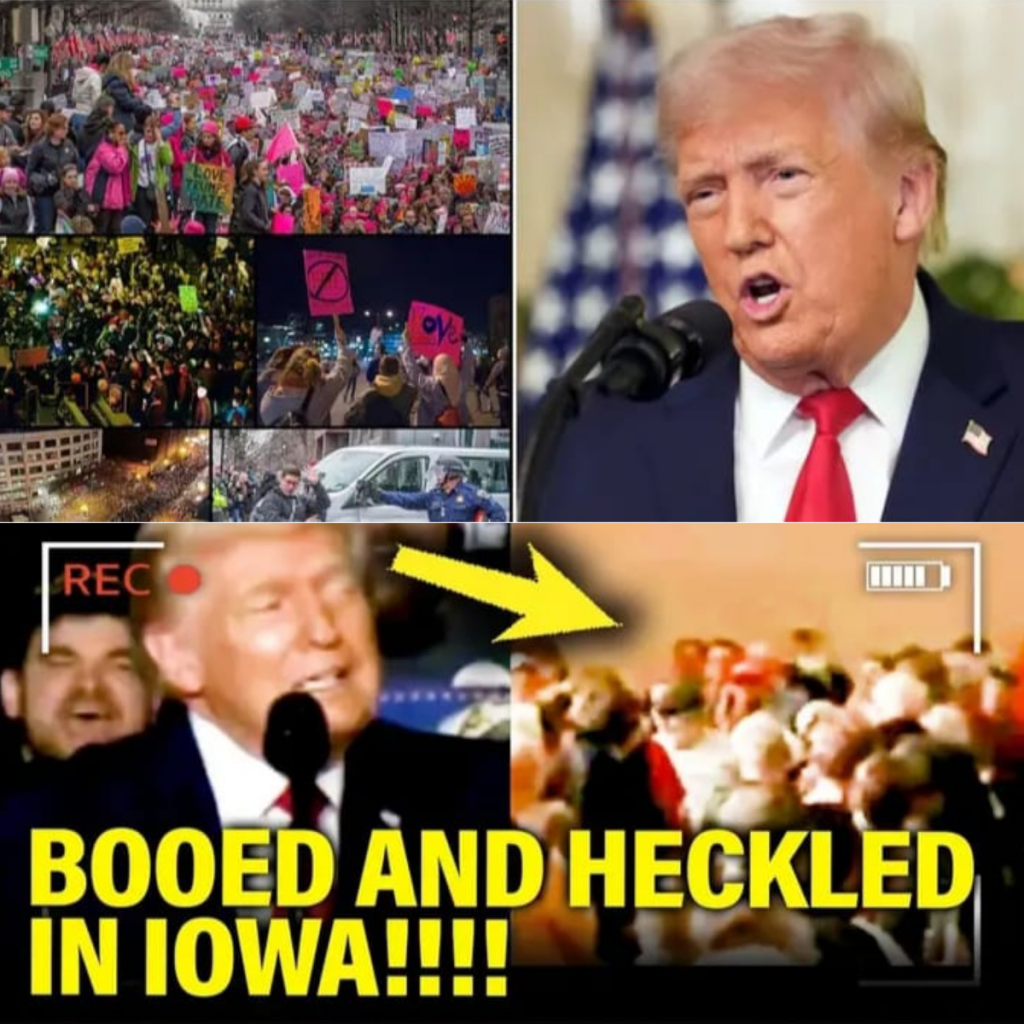
Yet the speech, delivered on January 27, 2026, did not unfold without interruption. Sections of the crowd voiced audible dissent through jeers, chants, and shouts that briefly disrupted the flow of his remarks. Attendees and observers noted that frustration appeared to stem from a mix of lingering controversies and real-world economic pressures, including concerns over affordability, grocery prices, and the impact of trade policies on farmers. While the majority of the audience remained supportive—cheering familiar refrains and policy wins—the disruptions marked a noticeable departure from the typically unified energy at such events in Iowa.
Protesters also gathered outside the venue, clogging streets and expressing opposition to immigration enforcement tactics and other administration priorities. As the presidential motorcade passed, demonstrators booed and used noisemakers, adding to the charged environment surrounding the visit.
Economic Messaging Meets Skepticism
Trump’s focus on the economy formed the core of his address. He claimed significant reductions in trade deficits, dramatic stock market gains, and personal credit for lowering costs on essentials like fuel and groceries. At one point, he asserted that gas prices in Iowa had fallen sharply, prompting an immediate rebuttal from an audience member who shouted out a higher current figure. Such moments of live pushback underscored broader anxieties about persistent inflation and cost-of-living issues, even as official data presented mixed signals on price trends.

The president dismissed Democratic criticisms on affordability, suggesting opponents had abandoned the issue because conditions had improved under his leadership. He tied economic wins to broader themes of national strength, border security, and respect regained on the global stage. References to past events, including an assassination attempt the previous year, drew supportive responses, though one interruption during that segment led Trump to label the heckler a “lunatic” and call for their removal.
Broader Implications for Political Strongholds
The Iowa stop came at a pivotal moment, with midterms approaching and the administration seeking to solidify gains in the Midwest. Iowa, which played a key role in Trump’s political rise, has historically offered reliable support. The presence of disruptions inside the venue—coupled with external protests—raised questions about potential cracks in that base, fueled by economic discontent and policy debates.
Social media amplified the incident rapidly. Clips capturing the jeers and tense exchanges circulated widely, sparking discussions among supporters, critics, and political analysts. Some viewed the moments as isolated agitators, while others interpreted them as signs of shifting voter sentiment amid ongoing national debates over tariffs, immigration, and fiscal policy. The campaign sought to downplay the interruptions, emphasizing the overall enthusiasm and turnout.
A Microcosm of a Polarized Landscape
This event in Clive reflected the unpredictable dynamics shaping American politics in 2026. Even in regions where loyalty has been steadfast, external pressures—economic realities, policy controversies, and heightened polarization—can surface in unexpected ways. Trump pressed forward with his message, framing challenges as opportunities to deliver further results for working Americans.
As the midterm campaign intensifies, episodes like this serve as reminders that no territory is entirely immune to tension. The Iowa rally, rather than a seamless display of unity, became a snapshot of the complex forces at play in a divided electorate.