Canada’s reported move toward a potential Saab Gripen fighter jet deal has triggered alarm bells inside the Pentagon, sending shockwaves through Washington’s defense and political circles. U.S. officials are increasingly concerned that Ottawa’s interest in the Swedish-made Gripen could weaken long-standing North American defense integration and complicate future military cooperation between the two allies.
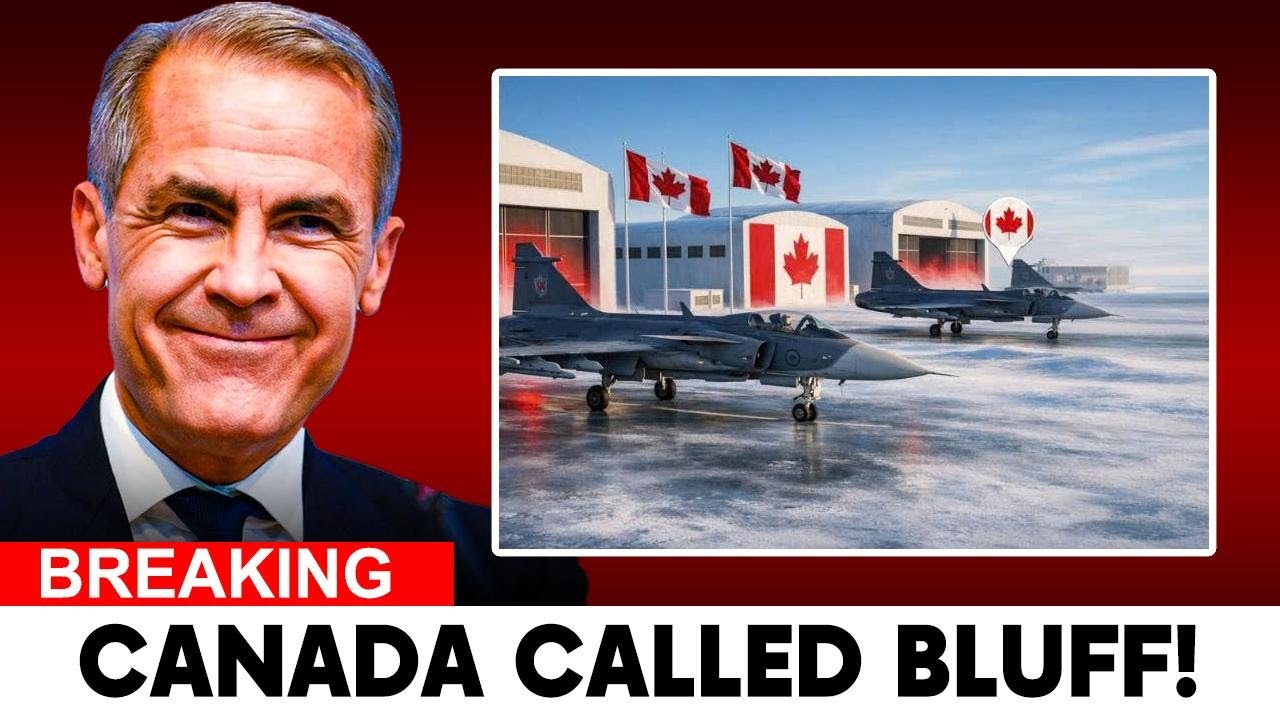
According to defense sources, the Pentagon views Canada’s possible pivot away from U.S.-made aircraft as more than a procurement issue—it is a strategic signal. The Gripen, while highly capable and cost-efficient, operates outside the tightly integrated U.S. defense ecosystem that underpins NORAD and NATO interoperability. American officials fear the move could create operational gaps in joint missions, intelligence sharing, and long-term defense planning.
At the heart of Washington’s concern is interoperability. The U.S. military has spent decades aligning systems, data links, and logistics with Canadian forces. Introducing a non-U.S. fighter platform could require costly adjustments and slow response times in joint air defense operations, especially as global security threats intensify in Eastern Europe and the Indo-Pacific.
Canadian officials, however, argue that the Gripen offers flexibility, advanced technology, and significant industrial benefits for Canada’s domestic aerospace sector. Supporters of the deal say Ottawa is prioritizing sovereignty, affordability, and long-term sustainability over political pressure from Washington. They insist Canada remains fully committed to NORAD and NATO obligations, regardless of aircraft choice.

Defense analysts note that the dispute reflects a broader shift in global arms procurement, as middle powers seek diversified suppliers rather than relying exclusively on U.S. defense contractors. If Canada proceeds with the Gripen, it could embolden other U.S. allies to reconsider their own defense purchases, potentially reshaping the global fighter jet market.
As discussions continue behind closed doors, the Pentagon’s warning underscores the high stakes of Canada’s decision. What may appear as a routine defense contract could carry far-reaching geopolitical consequences, testing the resilience of U.S.–Canada military ties at a moment when unity among allies is under unprecedented strain.