By XAMXAM
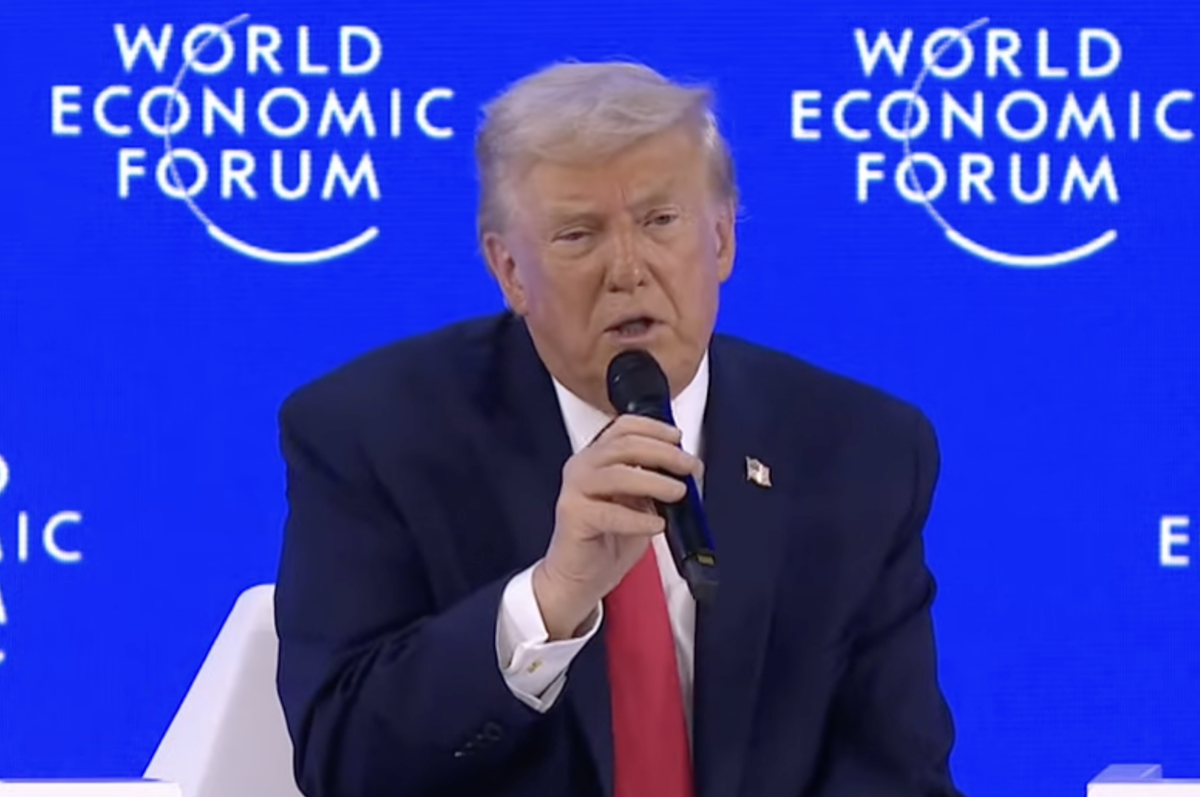
DAVOS, Switzerland — For years, Canada’s approach to American pressure has been defined by restraint: quiet diplomacy, careful language, and an assumption that crises could be managed behind closed doors. This week, at the World Economic Forum, that approach changed — publicly.
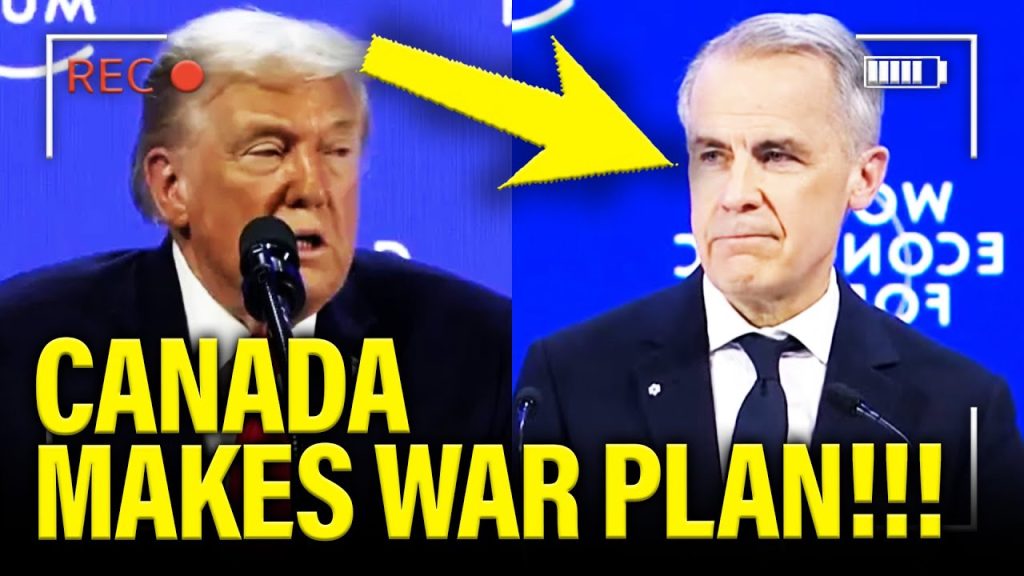
Prime Minister Mark Carney delivered what may become one of the most consequential foreign policy speeches of his tenure, rejecting the logic of intimidation and explicitly tying Canada’s position on Greenland, trade, and security to alliance norms rather than bilateral accommodation. The reaction in the room was immediate. The reaction in Washington was sharper.
President Donald Trump, who had spent days threatening tariffs and raising the specter of force over Greenland, abruptly abandoned the effort. There would be no sanctions, no escalation, no follow-through. Instead, Trump lashed out verbally — not at Denmark or Europe, but at Canada — accusing it of ingratitude and warning that it should “remember” its dependence on the United States.
Diplomats in Davos read the moment less as a policy dispute than as a failed gambit.
Carney’s speech did not rely on provocation. It relied on definition. He described the use of tariffs and threats as “escalation,” not negotiation, and framed sovereignty as non-negotiable. He invoked North Atlantic Treaty Organization commitments in the Arctic and made clear that Greenland’s future belonged to Greenland, not to any external power.
In the grammar of diplomacy, that choice of words mattered. Escalation implies consequence. It also strips away ambiguity — the very ambiguity on which Trump’s pressure tactics depend.
For much of his political career, Trump has relied on a simple formula: apply pressure, keep intentions unclear, and wait for counterparts to soften. It has often worked, particularly when allies feared provoking further retaliation. In Davos, that logic collapsed.
Denmark pushed back early. Greenland’s leaders spoke plainly. European officials aligned quickly. Canada then made the confrontation unavoidable by naming it in public. Once that happened, Trump faced a choice between open confrontation with allied governments or retreat. He chose retreat, then sought to reassert authority rhetorically.
The result was revealing. Trump’s complaints about Canada sounded defensive, not strategic. They offered no policy detail, no alternative framework — only frustration. That tone did not go unnoticed.
What gave Carney’s intervention weight was not only rhetoric but preparation. Over the past year, Canada has quietly diversified its trade relationships, deepened ties with Europe and Asia, and invested in Arctic security and defense coordination. Those steps reduced Ottawa’s exposure to U.S. economic retaliation and made resistance credible.
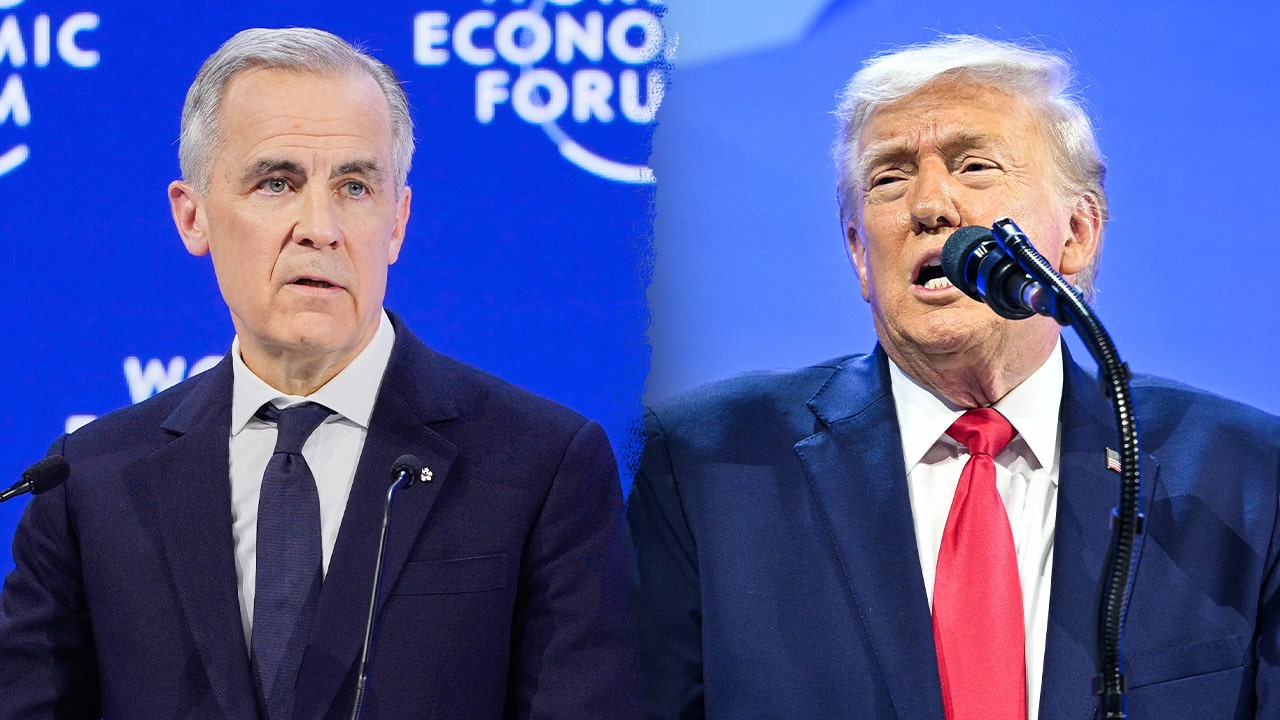
This week, reporting in The Globe and Mail underscored that shift, noting that Canadian defense planners, like their counterparts elsewhere, have begun reassessing long-standing assumptions in light of increasingly unpredictable American behavior. Such planning is not unusual among allies; what is unusual is the candor with which Canada is now acknowledging the need for strategic autonomy.
None of this suggests an imminent rupture between Ottawa and Washington. The United States remains Canada’s largest trading partner and closest military ally. But the episode does suggest that the old reflex — absorb pressure, avoid public disagreement, hope the storm passes — no longer defines Canada’s response.
Instead, Carney has signaled a different posture: coordination over concession, clarity over silence. In Davos, he argued that middle powers face a choice between living within comfortable fictions or adjusting openly to a world where economic leverage is increasingly used as a weapon. Canada, he suggested, has chosen adjustment.
Trump’s reaction may prove more significant than the speech itself. By backing down quickly and then venting publicly, he demonstrated the limits of a strategy built on intimidation when confronted by aligned resistance. Threats lose power once they are identified as threats — and once the target shows it has alternatives.
The broader implication extends beyond Greenland. If Canada can resist pressure and attract support rather than isolation, other U.S. partners may draw similar lessons. Already, European officials in Davos spoke more openly about diversification, coordination among “middle powers,” and reducing vulnerability to unilateral economic action.
This does not herald the end of American influence, nor does it mean allies are abandoning Washington. It does, however, suggest that the balance of leverage is shifting. Intimidation is no longer assumed to be cost-free, and silence is no longer treated as neutrality.
In Davos, Canada did not outmatch the United States in power. It outmaneuvered it in framing. That distinction mattered. Trump did not lose Greenland in a literal sense. He lost something more fragile: the expectation that pressure alone would carry the day.
For a world watching closely, that may be the more enduring lesson.