By XAMXAM
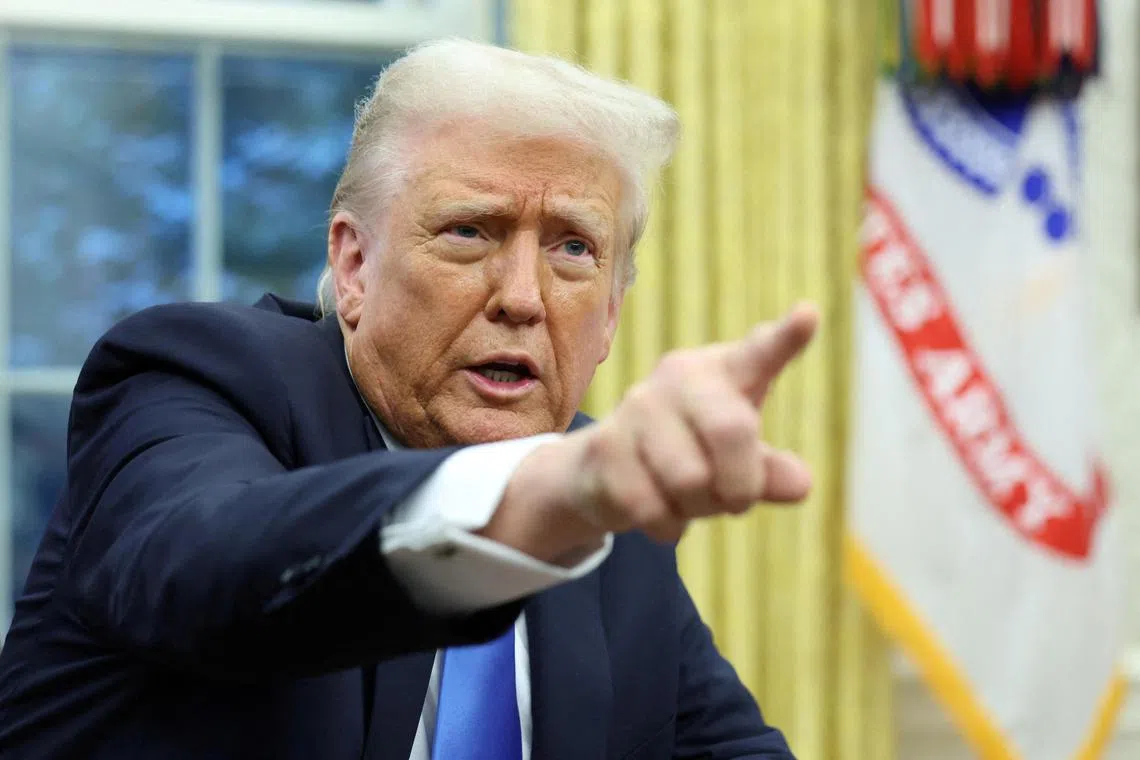
When Donald Trump floated the idea of “very severe” tariffs on Canadian fertilizer, the remark initially sounded like a familiar reprise of his trade strategy: pressure first, negotiate later. The target was potash, an essential ingredient in industrial fertilizer and one the United States imports overwhelmingly from Canada. For American farmers, the threat raised alarms. For Ottawa, it triggered something else entirely.
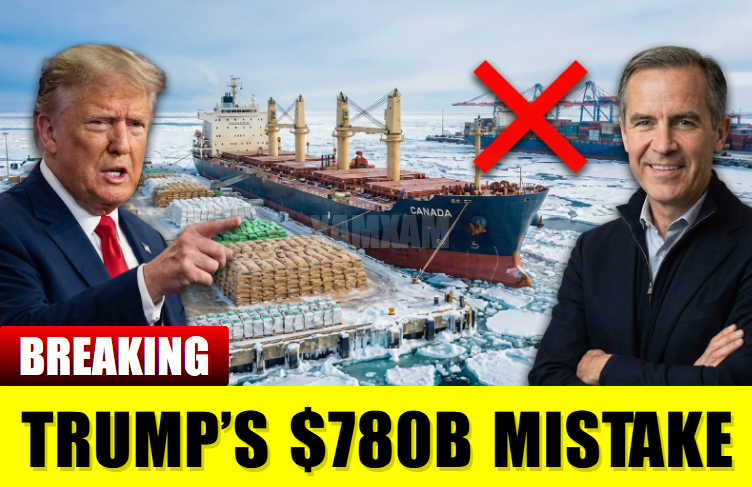
Rather than retaliate with counter-tariffs or public outrage, Canada began to withdraw from the board on which Washington believed the game was being played.
For decades, Canadian trade has flowed through American infrastructure almost by default. Grain grown on the Prairies and potash mined in Saskatchewan routinely traveled south by rail, passed through U.S. ports, and only then reached European or global markets. The arrangement was inefficient but entrenched, generating steady revenue for American railways, ports, and logistics firms. It also gave Washington leverage, or so it seemed.
That assumption is now being tested.
Canada is the world’s largest exporter of potash, controlling roughly 41 percent of global supply. Saskatchewan alone sits atop an estimated 1.1 billion tons of reserves. Yet much of that output has historically moved along routes optimized for American convenience rather than Canadian sovereignty. The same pattern holds for grain: tens of millions of tons annually, often routed through congested or foreign-controlled terminals.
The tariff threat exposed how vulnerable that dependence had become.
In early 2025, Prime Minister Mark Carney posed a question that would have sounded almost heretical a decade earlier: why was Canadian fertilizer still being shipped through American ports when Canada possessed its own Arctic gateway? The answer—habit, underinvestment, political neglect—was also an admission.
The focal point of this recalibration is Port of Churchill, a deep-water port on Hudson Bay built in the 1930s and long treated as an afterthought. Once envisioned as a northern bridge to Europe, Churchill fell into disuse after years of underfunding and a disastrous privatization that left the port dormant. When flooding severed its rail connection in 2017, operations ceased altogether.
Trump’s tariff rhetoric helped revive it.
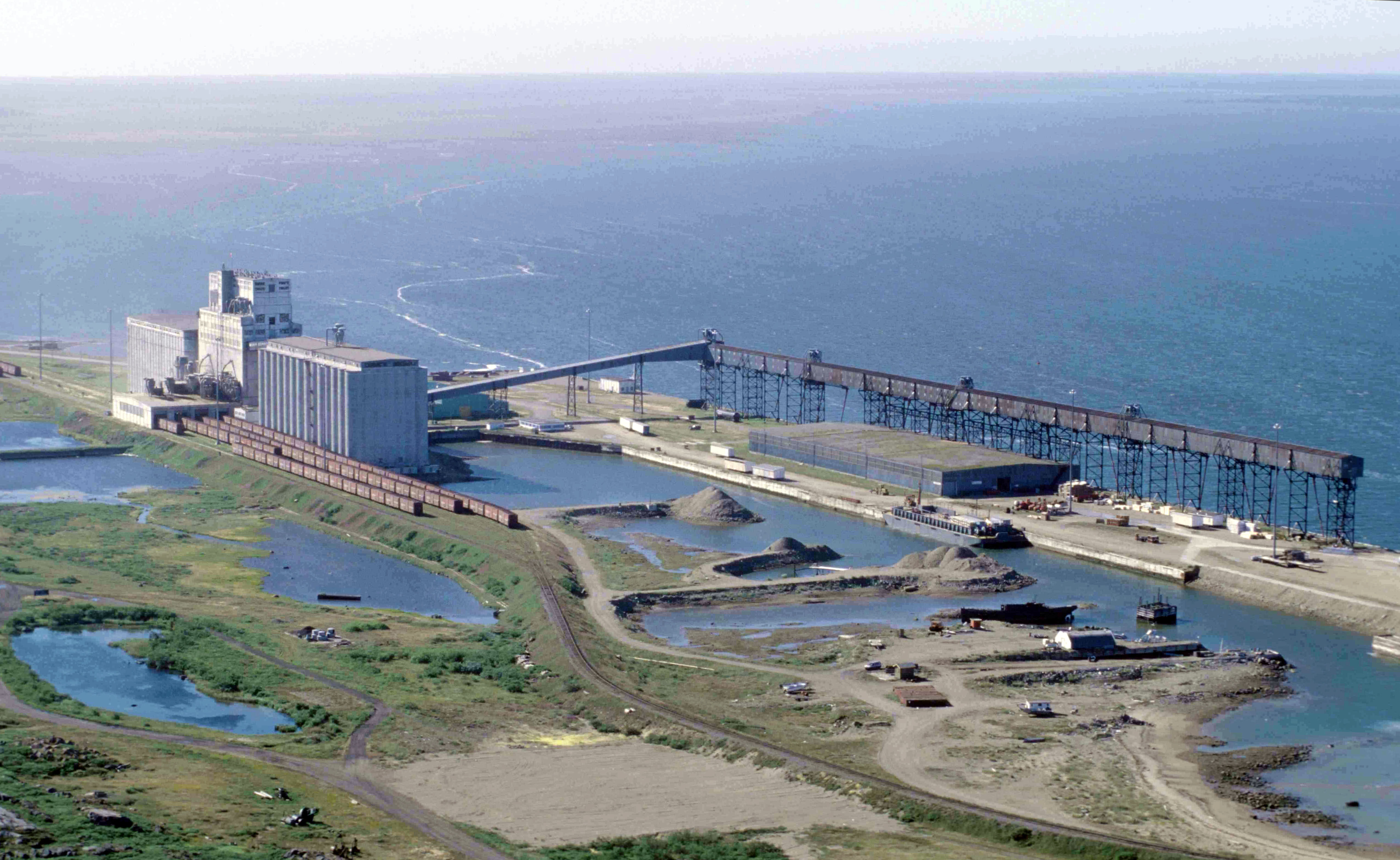
A partnership announced in March 2025 between Genesis Fertilizers and the Arctic Gateway Group marked the first concrete shift. The plan would route hundreds of thousands of tons of fertilizer inputs and finished products through Churchill, bypassing U.S. infrastructure entirely. The distances involved are not trivial: shipping through Hudson Bay can shave days off transit times to Europe compared with routes through Vancouver or the U.S. Gulf Coast.
Ottawa followed with money. The federal government committed roughly $180 million over five years to modernize the port, expand storage and grain handling, and extend the shipping season with icebreaker support. The aim is not symbolic independence but structural change—building supply chains that no longer require American consent.
The numbers explain the urgency. Potash exports alone generate about $5.5 billion annually. Grain adds many billions more. Even a partial diversion northward compounds over time. Conservative estimates suggest that over a decade, hundreds of billions of dollars in trade could be redirected through Canadian-controlled routes. For U.S. ports and railways accustomed to collecting fees on every ton, the losses would be gradual but permanent.
What makes this shift unusually difficult to reverse is not politics but physics. Infrastructure shapes behavior. Once companies invest in plants, elevators, rail spurs, and shipping contracts tied to a particular route, switching back is costly and irrational. If Churchill proves reliable, competitors will follow. European buyers will adjust. Habits will lock in.
From Washington’s perspective, this is the most uncomfortable outcome. Tariffs work best when alternatives are scarce. By investing in its own routes, Canada is not violating trade agreements or closing markets; it is simply choosing not to use American ones. That choice is both legal and durable.
The broader implications extend beyond fertilizer and grain. Northern corridors could eventually carry critical minerals, energy exports, and other commodities that once defaulted to U.S. pathways. Each success makes the next decision easier.
Trump’s original goal was to force compliance through pressure. Instead, the pressure revealed a vulnerability—one Canada has begun methodically to eliminate. Influence rarely disappears with a headline-grabbing rupture. More often, it drains away quietly, as routes change and leverage evaporates.
What began as a tariff threat may end as a lesson in unintended consequences: that in a global economy, power does not always shift through confrontation. Sometimes it moves, almost invisibly, with the flow of ships choosing a different harbor.