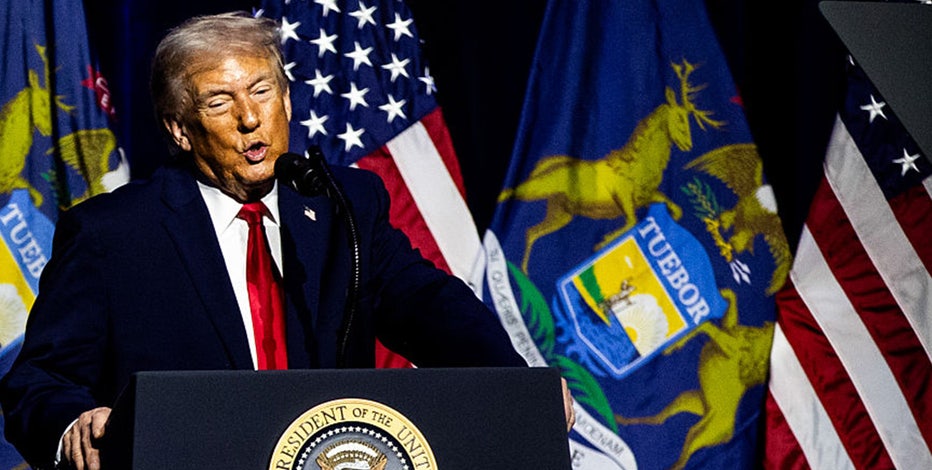
WASHINGTON — With a blunt declaration that reverberated across the country, President Donald Trump has ignited a fresh and potentially explosive confrontation between the White House and America’s largest cities. “Starting February 1st, the money stops,” the president said, signaling an immediate freeze on certain federal funds to jurisdictions designated as sanctuary cities — municipalities that limit cooperation with federal immigration enforcement.
The announcement, delivered without qualifiers or gradual phase-ins, sent shockwaves through city halls, state capitals, and advocacy networks nationwide. Within hours, mayors convened emergency meetings, legal teams began drafting challenges, and federal agencies quietly sought clarity on how far the order would reach. Supporters hailed the move as long-overdue accountability. Critics warned it could spark a constitutional clash with far-reaching economic and human consequences.
What is clear is that this is not a minor policy adjustment. It is a power move — and it places the federal government on a collision course with some of the most populous and economically vital regions of the United States.
A Line in the Sand
For years, sanctuary cities have been a flashpoint in the national immigration debate. These jurisdictions argue that limiting cooperation with federal immigration authorities helps build trust between local law enforcement and immigrant communities, improving public safety. Trump, however, has consistently framed sanctuary policies as defiance of federal law and a threat to national security.
This latest announcement marks the most aggressive posture yet. According to administration officials, the freeze will target discretionary federal funding streams tied to infrastructure, housing, and certain social programs. While core entitlement programs are expected to remain untouched, the scale of potentially affected funds runs into the billions.
The president’s allies argue the message is simple: cities cannot expect federal dollars while openly resisting federal law. “This is about enforcing the law and respecting the Constitution,” one senior administration official said. “If local governments choose ideology over compliance, taxpayers should not be forced to subsidize that choice.”
Cities Scramble as the Clock Ticks
The February 1 deadline has set off a frantic scramble behind the scenes. In New York, Los Angeles, Chicago, San Francisco, and dozens of other cities, officials are racing to assess which funding streams could be cut off — and how quickly the impact would be felt.
Budget directors warn that even a temporary freeze could disrupt transit projects, housing initiatives, and public safety programs already operating on thin margins. “This isn’t abstract,” one city finance official said privately. “If the funds stop, projects halt. Contractors walk. People lose jobs.”
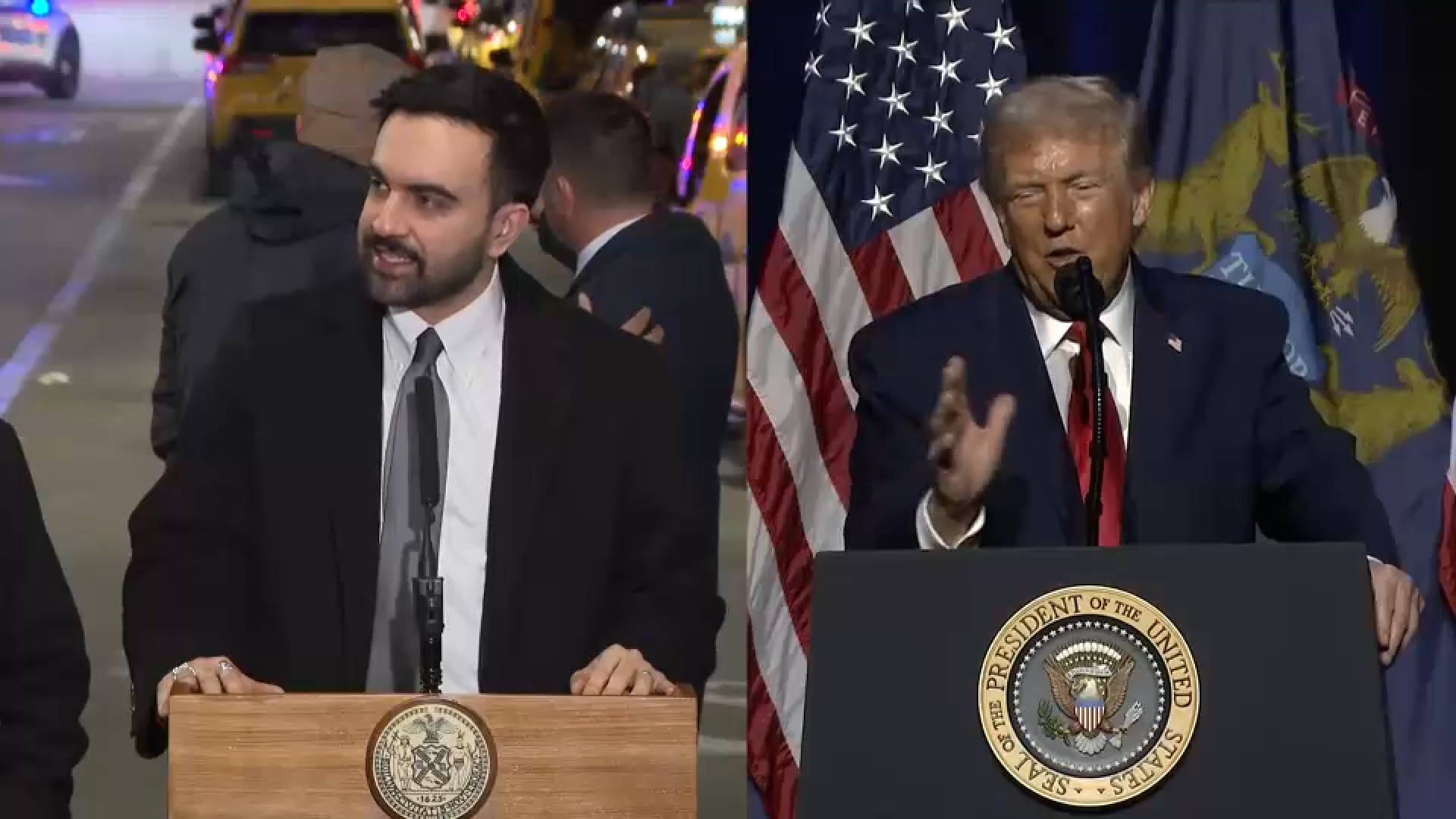
Advocacy groups are also bracing for fallout. Organizations that provide legal aid, shelter services, and community outreach fear that reduced federal support could strain already overburdened systems, leaving vulnerable populations caught in the crossfire of a political showdown.
Legal Storm on the Horizon
Almost immediately, legal scholars and civil rights organizations signaled that the move would be challenged in court. Previous attempts by the federal government to penalize sanctuary cities through funding restrictions have faced judicial scrutiny, with courts questioning whether the executive branch has the authority to unilaterally impose such conditions without congressional approval.
This time, however, the administration appears prepared for a fight. Officials insist the freeze is carefully structured to withstand legal challenges, arguing that discretionary grants can be conditioned on compliance with federal priorities.
“This will end up in court, no question,” said a constitutional law expert. “The real issue will be whether the administration can demonstrate a clear statutory basis for the funding conditions — and whether the courts see this as coercion rather than lawful enforcement.”
Supporters See a Turning Point
Among Trump’s base and many conservative lawmakers, the announcement was met with enthusiasm. They see it as a decisive stand against what they view as years of defiance by progressive city governments.
“For too long, Washington has written checks with no strings attached,” said one Republican senator. “This sends a message that the federal government means what it says.”
Some supporters also argue that the threat of funding cuts could force cities to reconsider sanctuary policies altogether, creating a domino effect that reshapes immigration enforcement nationwide.

Critics Warn of National Consequences
Opponents, however, say the administration is playing a dangerous game. They warn that cutting funds to major metropolitan areas could ripple through regional economies, disrupt national infrastructure projects, and deepen political polarization.
“This isn’t punishing politicians,” said one mayor. “It’s punishing millions of residents — citizens and non-citizens alike — who rely on these services.”
There are also concerns that the move could escalate tensions between federal and local law enforcement, undermining cooperation on issues far beyond immigration, from counterterrorism to disaster response.
What Happens When the Money Stops?
Insiders caution that the real impact will not be felt in headlines or press conferences, but in the weeks after February 1, when funding lines actually go dark — or don’t. Will the administration follow through fully? Will courts step in with injunctions? Will some cities quietly adjust policies to preserve funding, while others dig in for a prolonged battle?
One senior Capitol Hill aide described the moment as “a stress test for federalism itself.”
“This is about who holds power, who sets the rules, and how far a president can go to enforce his agenda,” the aide said. “The consequences will unfold fast — and they won’t stay contained to immigration policy.”
As the deadline approaches, one thing is certain: the sanctuary city fight has entered a new phase. And once the line has been drawn this sharply, backing down may no longer be an option for either side.