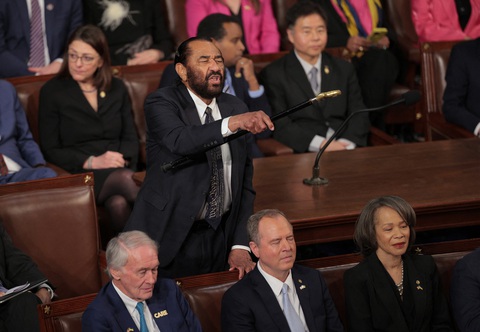
WASHINGTON — A single dramatic speech delivered on the House floor this week by Representative Al Green (D-TX) has ignited a firestorm across Capitol Hill, reshaping the impeachment debate and thrusting issues of presidential authority, military action, and constitutional balance back into the national spotlight. What began with a focus on individual loss and foreign policy concerns has rapidly spiraled into accusations of executive overreach and a renewed call for impeachment proceedings against President Donald Trump.
In the tense address that quickly set lawmakers and political commentators on edge, Green connected what he described as a tragic death, foreign military actions, and a broader pattern of unilateral executive decisions into a single narrative of constitutional crisis. While the particulars of the speech centered on deeply personal and national pain, the political implications have been vast, fueling public debate over whether the current administration has exceeded its lawful authority. Green’s remarks, released via official channels and shared widely on social media, reflect his long history of criticizing Trump’s conduct and pushing for accountability through impeachment efforts — a strategy he has employed multiple times before.
From Personal Tragedy to Political Warning
Although the specific “mother’s death” referenced in the speech has not been confirmed in major reporting, Green’s broader point was unmistakable: individual tragedies can be symptomatic of larger institutional failures. In his nearly two-decade tenure in Congress, Green has repeatedly positioned himself as a fierce advocate for accountability, particularly when he perceives threats to vulnerable communities or to constitutional norms. As part of that longstanding advocacy, he has pledged to introduce articles of impeachment against Trump, even in the absence of a supportive majority.
In his latest floor remarks, Green argued that recent U.S. military actions — including those in Venezuela and other international engagements — exemplify a pattern of executive behavior that sidesteps congressional oversight. Progressive advocacy groups have echoed similar concerns, contending that certain military operations have been undertaken without clear authorization from Congress and could form part of a broader rationale for impeachment.
A Controversial Push for Impeachment
Green’s speech did more than just critique policy; it served as a stark warning about the erosion of constitutional boundaries. He tied together concerns about foreign military operations and domestic executive conduct, presenting a chilling narrative of a presidency operating “unchecked.” While he stopped short of formally introducing impeachment articles in that particular speech, his words signaled urgency and a sense that the moment demands accountability.

This is not Green’s first impeachment effort. In previous congressional sessions, he has introduced impeachment resolutions, only to see them shelved or voted down, even with Democratic votes. In some cases, such initiatives failed because majorities in the House declined to back them or voted to “table” the measures, underscoring the deep divisions over impeachment strategy among Democrats and the broader Congress.
Despite the procedural setbacks, Green’s latest address demonstrates his continued resolve and reflects a growing appetite among certain segments of the political spectrum to revisit the question of impeachment — particularly in the context of executive military action that some view as bypassing the legislative branch’s constitutional role.
Bipartisan Tension and Capitol Reaction
The reaction to Green’s remarks was immediate and intense. The speech quickly spread online and became a lightning rod for debate among lawmakers, commentators, and political activists. Insiders in the Senate described the moment as “unexpected” and “more consequential” than routine political rhetoric, noting that the constitutional tension Green highlighted is resonating across party lines. While many Republican lawmakers dismissed the speech as political theater, some independent voices and constitutional scholars acknowledged the seriousness of the issues raised, particularly around the balance of war powers and congressional authority.
Green’s warning also tapped into broader unease about the expansion of executive power in recent years — a concern shared by a wide range of analysts, legal experts, and some lawmakers regardless of party affiliation. For decades, debates over war powers, national security prerogatives, and congressional oversight have been central to legislative-executive relations. By invoking these themes in such dramatic terms, Green thrust them squarely into the current political moment.
The Broader Implications
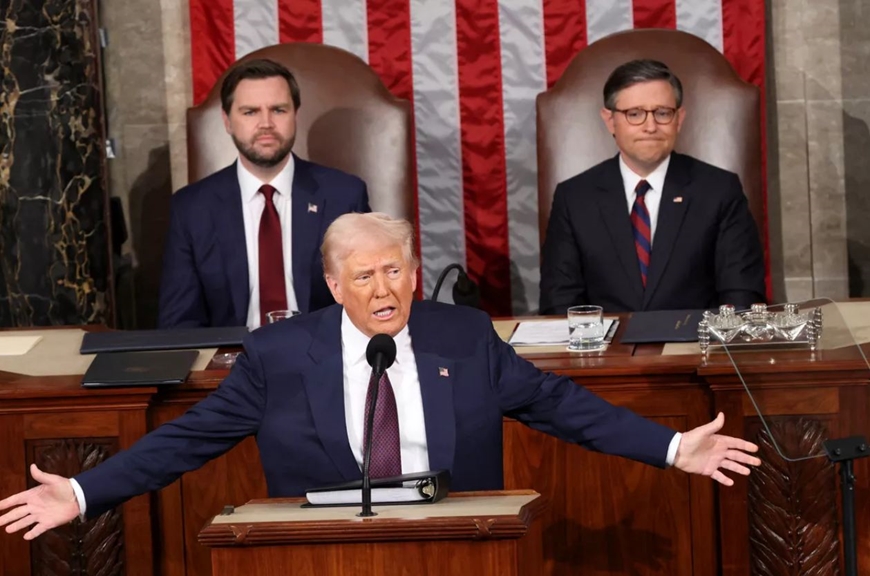
Whether Green’s speech will lead to concrete impeachment action remains uncertain. Past efforts, including those that brought impeachment resolutions to the House floor, ultimately fell short of the votes needed to advance. Yet, the continued focus on executive power and constitutional limits suggests that the debate over presidential accountability is far from over.
Analysts say Green’s speech is likely to influence ongoing discussions about the future of impeachment as a constitutional mechanism, even if a formal vote does not immediately follow. “This isn’t just about one case,” one commentator observed. “It’s about authority, accountability, and whether our system still has limits.” With tensions over military authority, congressional oversight, and constitutional balance growing louder, the chapter that Al Green has thrust into the spotlight may shape political discourse well beyond the immediate moment.
As the political landscape evolves, and as public and legislative scrutiny continues, the implications of Green’s warning — and the broader concerns it encapsulates — are likely to remain central to debates about governance, executive power, and democratic resilience.