In a move that has sent shockwaves through Washington overnight, Canada has unveiled a $60 billion Arctic radar and submarine expansion that dramatically reshapes the balance of power in the High North. The surprise announcement, spearheaded by former central banker and political heavyweight Mark Carney, is being described by analysts as a direct challenge to long-standing U.S. strategic dominance in the Arctic — and a moment that reportedly caught Donald Trump completely off guard.

At the heart of the plan is a next-generation Arctic defense network, combining advanced over-the-horizon radar systems, AI-enhanced surveillance, and a new fleet of under-ice capable submarines designed specifically for polar warfare. These assets will allow Canada to independently monitor air, sea, and sub-surface activity across vast Arctic corridors, reducing reliance on U.S.-led NORAD systems for early warning and response.
What makes this move so controversial is not just its scale, but its strategic autonomy. For decades, Arctic defense has been dominated by American infrastructure, intelligence, and command systems. Canada’s investment effectively bypasses U.S. gatekeeping, giving Ottawa its own eyes and ears across the Arctic Ocean. Defense experts say this marks the first time Canada can operate as a fully sovereign Arctic power rather than a junior partner.
Sources close to the initiative describe Carney’s strategy as a calculated “sovereignty strike” — one that blends national security, economic stimulus, and geopolitical signaling. By anchoring the program in Canadian industry and Arctic communities, the plan also promises tens of thousands of jobs while locking in long-term control over northern trade routes, energy reserves, and military access points increasingly contested by Russia and China.
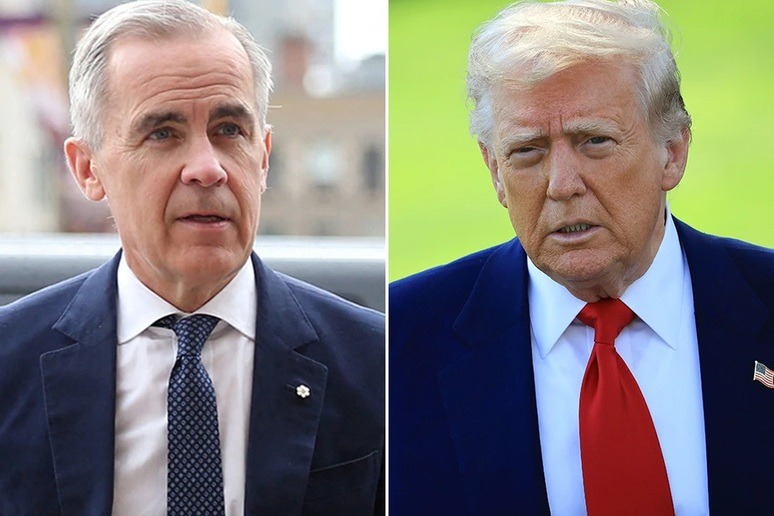
While official U.S. responses remain cautious, insiders say the Trump camp views the move as a quiet rebuke to American leadership, particularly given Trump’s past rhetoric about allies “free-riding” on U.S. defense. The irony, analysts note, is striking: Canada is now spending big — but doing so in a way that reduces U.S. leverage, not reinforces it. The Arctic, once a shared shield, is rapidly becoming a chessboard.
As melting ice opens new shipping lanes and military pathways, the Arctic is no longer a frozen afterthought — it is a frontline. Canada’s $60 billion gamble signals a new era where middle powers assert hard sovereignty, even over close allies. Whether this sparks deeper cooperation or quiet rivalry with the United States, one thing is clear: the Arctic balance just shifted — and the world is watching.