The global balance of power is shifting after a stunning diplomatic backlash against President Donald Trump’s foreign policy. In early January 2026, French President Emmanuel Macron and German President Frank-Walter Steinmeier delivered unusually blunt speeches accusing the United States of abandoning its allies and dismantling the international rules-based order. Their coordinated warnings signaled what many analysts now call a historic rupture between Washington and the very partners it once led.

That rupture became real when Canada openly pivoted away from the United States and toward Europe. Prime Minister Mark Carney shocked diplomats by choosing Paris and London — not Washington — for his first foreign trip after taking office. Standing beside Macron, Carney described Canada as “the most European of non-European countries” and pledged to build deeper political, economic, and security ties with Europe at a moment when Trump was threatening tariffs, trade wars, and even annexation rhetoric toward Canada.
The shift went from symbolic to structural on June 23, 2025, when Canada and the European Union signed a sweeping Security and Defence Partnership. The agreement covers joint military procurement, cybersecurity, artificial intelligence, and defense technology, deliberately reducing Canada’s dependence on American suppliers. Canada is also joining the EU’s €150-billion SAFE defense procurement program, allowing Ottawa to buy military equipment through European supply chains instead of U.S. contractors — a move that fundamentally rewires North American defense economics.
Tensions exploded further when Trump openly threatened to seize Greenland, a self-governing territory of Denmark, by force if necessary. In response, Canada joined France, Germany, the UK, and other European powers in issuing an unprecedented joint statement defending Greenland’s sovereignty. Carney went a step further by announcing Canada would open a new consulate in Greenland, signaling direct diplomatic backing against American territorial pressure.
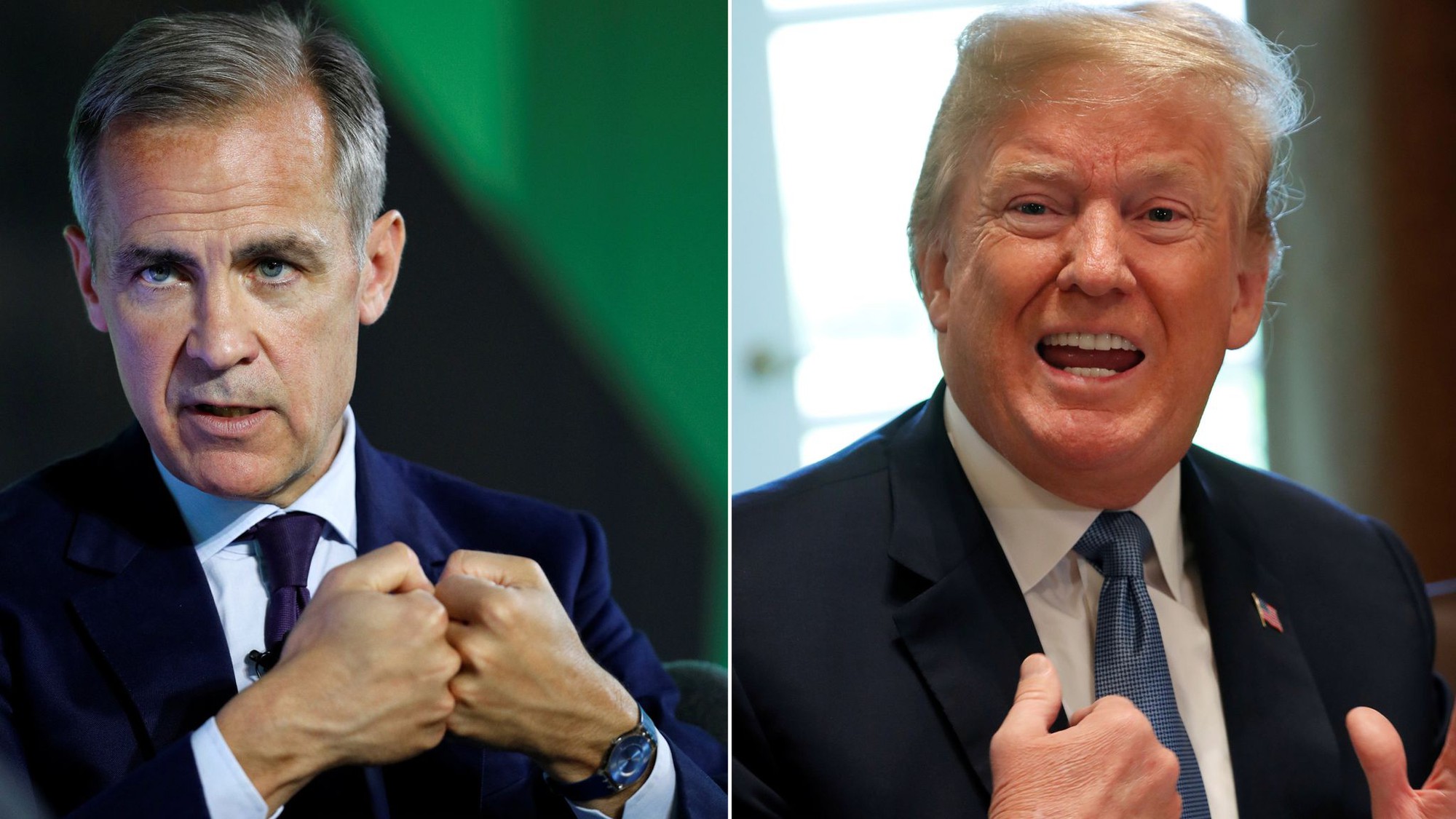
Public opinion across Europe and Canada now reflects this strategic break. Polls in Germany show three-quarters of citizens no longer trust the United States as a security partner, while a strong majority of Canadians reject any idea of becoming America’s “51st state.” These numbers give political leaders the mandate to build new alliances — and that is exactly what is happening, with Canada and Europe constructing permanent security, trade, and diplomatic institutions that operate without U.S. leadership.
The result is a quiet but powerful collapse of America’s traditional dominance over the Western alliance. Defense contracts, security planning, and strategic coordination are shifting toward Europe, leaving the U.S. as just another participant instead of the central power. Trump’s confrontational approach was meant to force allies into line — but instead, it has driven them to build an alternative order, one where Canada and Europe now stand together, and the United States is no longer calling the shots.