The global aluminum market was thrown into turmoil after President Donald Trump raised U.S. aluminum tariffs to 50 percent in June, a move designed to force Canada into economic submission. Instead, the policy detonated in Washington’s hands. Canada rapidly redirected its aluminum exports away from the United States and toward Europe and Asia, triggering a supply shock that is now rippling through American industry.
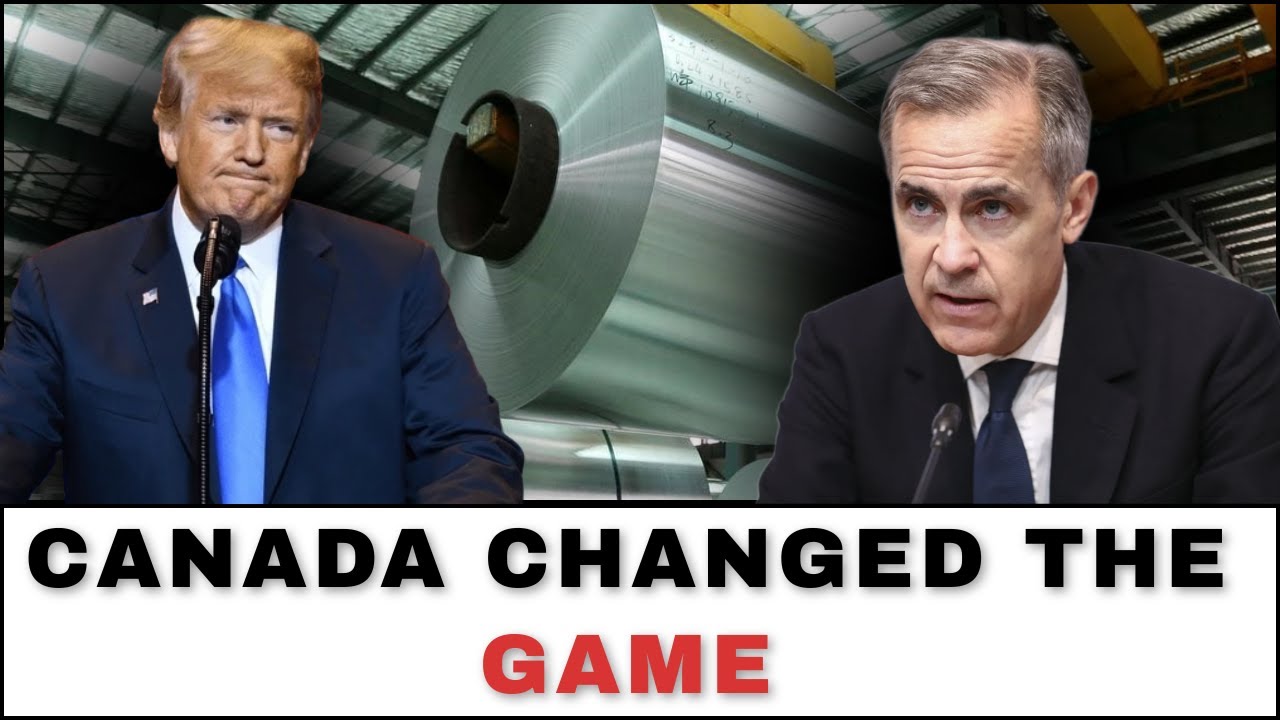
For decades, the United States relied on Canada for more than half of its aluminum supply. Canadian aluminum, produced with cheap and clean hydroelectric power, became the backbone of American manufacturing, from automobiles and aircraft to packaging and construction. When Trump imposed tariffs on this critical lifeline, U.S. manufacturers suddenly found themselves cut off from the world’s most efficient and reliable source of aluminum.
Rather than collapsing under pressure, Canada pivoted with surgical precision. Prime Minister Mark Carney moved quickly to deepen trade ties with Europe, signaling that Canada would diversify its markets and grow stronger while the U.S. turned inward. Canadian producers shifted shipments across the Atlantic and into Asian markets, locking in new long-term buyers and reshaping global aluminum trade flows almost overnight.
The consequences for the United States have been brutal. Tariffs piled on top of supply shortages, driving aluminum prices sharply higher for American manufacturers. U.S. smelters, many of which have been shuttered for years due to high energy costs and aging infrastructure, simply cannot ramp up production fast enough to replace Canadian supply. The result is a structural crisis with no quick or easy fix.
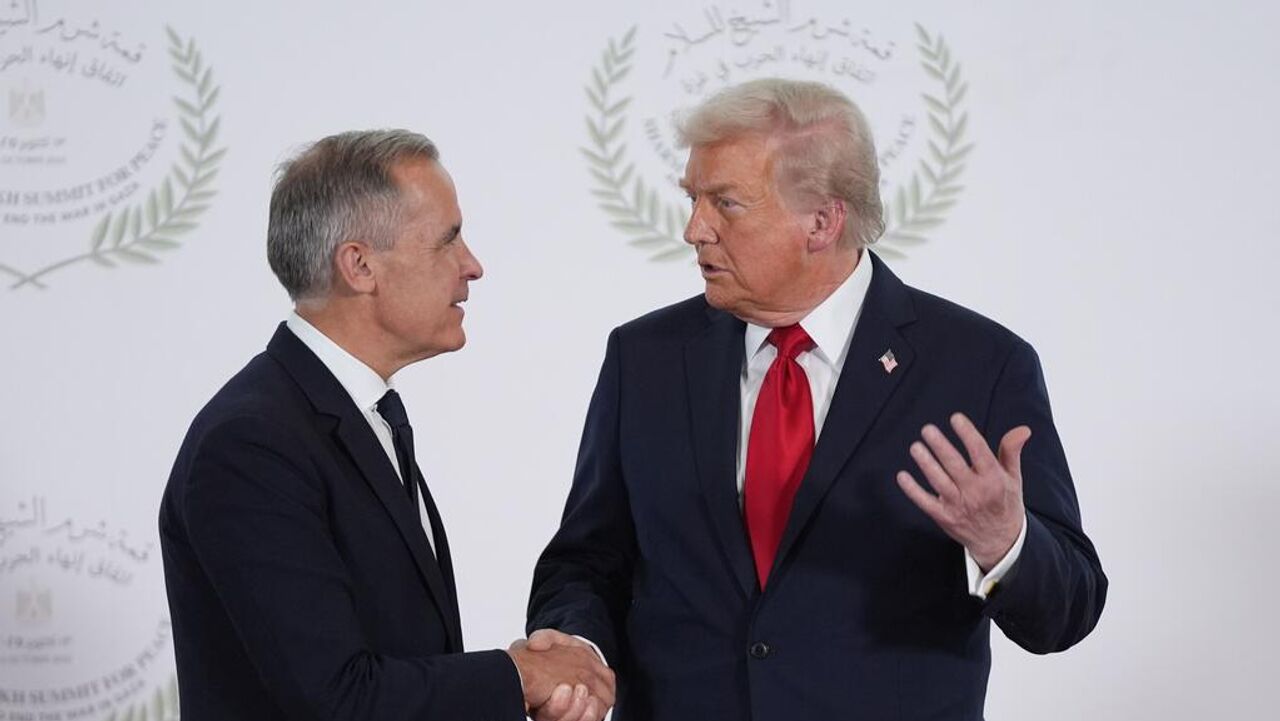
Meanwhile, Canada’s hydro-powered aluminum sector is thriving. By controlling one of the world’s cleanest and most cost-effective aluminum supplies, Canada now wields enormous leverage in global markets. Every new contract signed with Europe or Asia weakens America’s position further, turning what was once a friendly cross-border trade into a strategic advantage for Ottawa.
What was meant to be a show of strength has become a case study in economic self-sabotage. Trump’s aluminum tariffs have left U.S. industry more dependent, more expensive, and more vulnerable than before, while Canada quietly expands its influence across the world. In the new aluminum reality of 2026, power is no longer defined by tariffs — it is defined by who controls the supply.