A political and legal firestorm has erupted after the U.S. Department of Justice abruptly revised the number of Jeffrey Epstein–related documents it claims to be reviewing—from 5.2 million down to just 2 million, leaving 3.2 million files unaccounted for. The shocking discrepancy was revealed in a federal court filing, with no footnotes, no explanation, and no transparency. Critics say the missing records could contain crucial evidence about Epstein’s powerful associates, reigniting fears of a high-level cover-up inside the Trump-era Department of Justice.
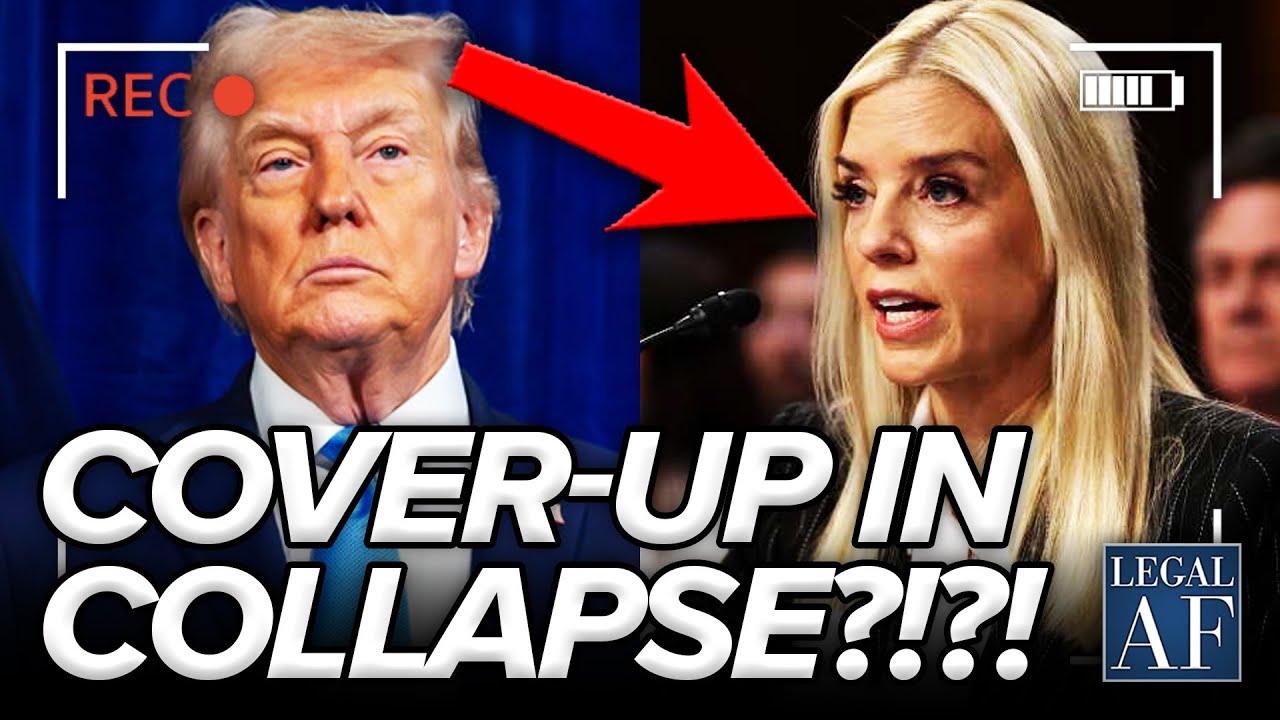
The issue exploded into public view after Legal AF, a popular legal-political podcast, analyzed the DOJ’s filings before U.S. District Judge Paul Engelmayer. Just weeks earlier, DOJ lawyers told the court they were dealing with more than five million documents that needed to be reviewed and redacted to protect victims’ identities. Suddenly, that number shrank to two million. Legal experts say such a dramatic change is virtually impossible without either catastrophic mismanagement—or deliberate manipulation of the record.
Former Manhattan prosecutor Karen Friedman Agnifilo, speaking on Legal AF, described the situation as deeply troubling. Epstein-related files are known to include FBI reports, grand jury transcripts, flight logs, financial records, emails, photos, and witness interviews—a massive digital trail of one of the most notorious sex-trafficking networks in modern history. She emphasized that with modern technology, prosecutors can quickly locate and redact victims’ names using keyword searches, making the DOJ’s claims of overwhelming difficulty highly suspect.
Agnifilo also pointed to a major shake-up inside the prosecution team, noting that key figures who knew the Epstein and Ghislaine Maxwell files intimately were removed after Donald Trump returned to power. One of them, Maureen Comey, was reportedly fired despite being widely respected as a top-tier prosecutor. Without the original team, the DOJ is now scrambling to “recreate” what it has—raising serious questions about whether crucial evidence has been lost, hidden, or intentionally sidelined.
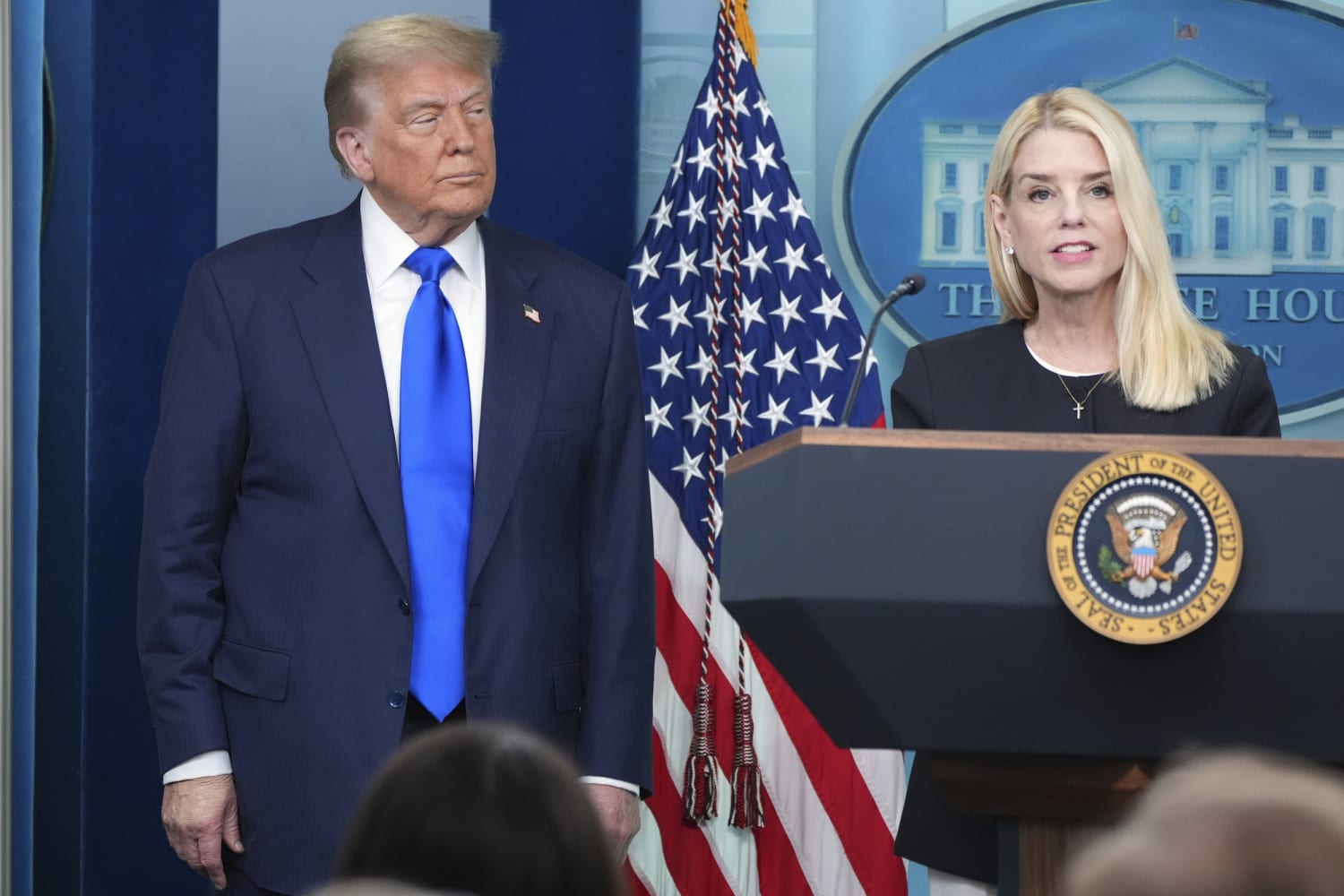
Even more alarming is a loophole in the Epstein Transparency Act, which allows the government to withhold any material labeled as part of an “ongoing investigation.” Legal analysts warn this could be used selectively to shield politically connected individuals while releasing damaging information about others. That concern is fueling public outrage as the DOJ refuses to explain how millions of documents could simply vanish from its official accounting.
Judge Engelmayer is now under pressure to force the Department of Justice to account for every missing file, including how the original 5.2 million figure was calculated and why it collapsed to 2 million without explanation. As trust in the Trump-era DOJ continues to erode, the question remains: Were the Epstein files lost to incompetence—or erased to protect the powerful? With millions of documents still unaccounted for, the truth may be buried deep inside the very records the public is demanding to see.