By XAMXAM
When Mark Carney prepares to step onto Chinese soil for a rare state visit, the moment will carry far more weight than a standard diplomatic exchange. It is not a gesture of goodwill, nor an ideological pivot eastward. It is a calculated act of economic statecraft—one that has drawn global attention precisely because it avoids confrontation while systematically reducing American leverage.
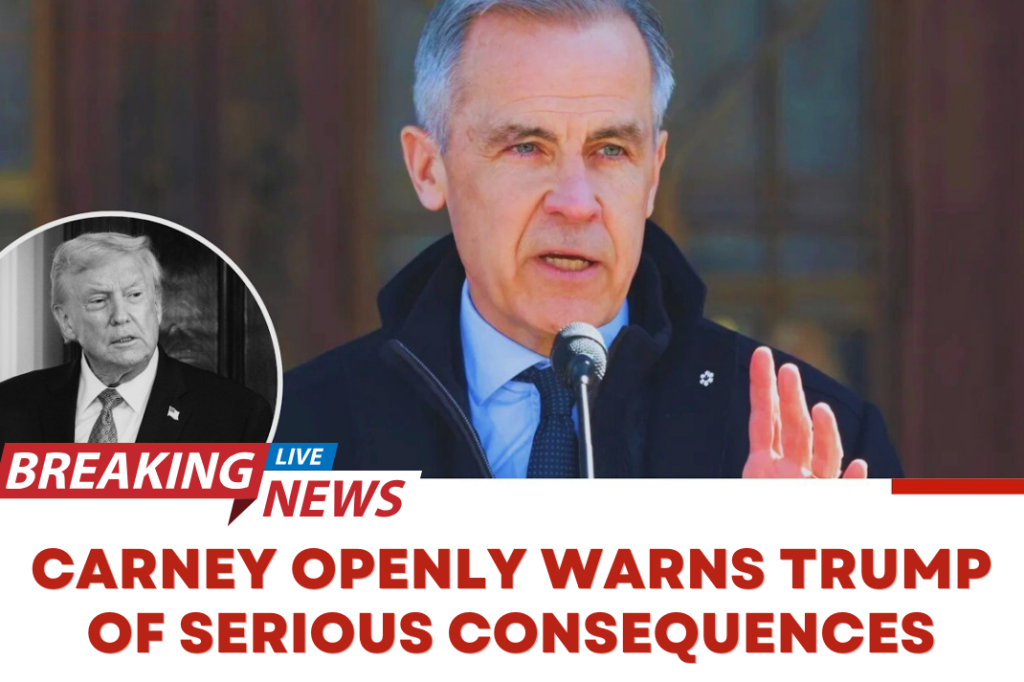
For years, Canada’s relationship with China remained frozen, scarred by arrests, retaliatory tariffs, and diplomatic silence. Under normal circumstances, reopening that channel would have seemed premature, even risky. But circumstances have changed. Under Donald Trump, Canada learned a harsh lesson: dependence on a single dominant partner is no longer a source of stability. It is a liability.
Carney’s response has not been rhetorical. It has been structural.
Rather than trading barbs or issuing warnings, Ottawa began redesigning the underlying incentives that allow pressure to work. The upcoming visit to China is the most visible expression of that shift. Its purpose is not to replace the United States, but to ensure that the United States is no longer Canada’s only viable option.
This distinction matters. Countries with one dominant trading partner negotiate under constraint. Countries with multiple pathways negotiate with choice. Carney’s strategy is built on that premise: when alternatives exist, threats lose force.
The backdrop is familiar. Tariffs on Canadian autos, pressure on agriculture, and unpredictable trade rhetoric steadily eroded assumptions that the U.S. market would remain rules-based and insulated from political mood swings. Canadian firms absorbed the costs. Farmers lost access to key markets. Consumers paid higher prices. Alignment, it turned out, offered no immunity.
The China visit is designed to rebalance that equation.
At the center of the talks is a set of issues that reveal how deliberately Ottawa is operating. Canada’s 100 percent tariff on Chinese electric vehicles, for example, was never driven by domestic fear of competition. It was imposed to mirror U.S. policy. The result was higher prices at home—and no protection abroad. Reconsidering that tariff is not about Beijing. It is about leverage.
If Chinese electric vehicles gain a foothold in Canada, they do more than lower prices for consumers. They sit directly adjacent to the American market, complicating Washington’s attempt to isolate competitors through tariff walls. Canada does not need to challenge those walls. It only needs to make them porous.
Agriculture tells a similar story. Chinese tariffs on Canadian canola devastated farmers not because of market fundamentals, but because Canada was caught in a geopolitical crossfire. Restoring access to that market would immediately ease pressure on rural economies while signaling that Canada will no longer absorb damage on behalf of someone else’s trade war.
Energy adds another layer. With global supply increasingly shaped by political risk, reliability has become a commodity in its own right. Canada’s regulated supply chains and predictable exports stand in contrast to volatile alternatives. As Chinese demand shifts in response to global disruptions, Ottawa sees an opening—not to align politically, but to trade pragmatically.
What makes this approach effective is not the destination, but the architecture. Europe reinforces legitimacy and security. Asia expands economic room to maneuver. North America remains essential, but no longer exclusive. Each relationship interlocks with the others, reducing exposure at any single point.
This is why the visit has attracted attention well beyond Beijing. In Washington, the concern is not that Canada is “choosing sides.” It is that Canada is choosing options. A tariff imposed on a dependent partner produces compliance. A tariff imposed on a diversified partner produces adaptation.
Trump’s negotiating style has always relied on asymmetry—applying pressure where it can be absorbed. Carney’s redesign removes that asymmetry. Pressure now carries spillover effects. Threats accelerate diversification. Aggression weakens influence.
The shift is quiet by design. There are no speeches about defiance, no public ultimatums. Instead, Canada is changing the cost-benefit calculations beneath the surface. This is statecraft measured in corridors, contracts, and supply chains rather than slogans.
It also explains why Carney himself matters so much. His credibility in global finance and governance reassures markets that this is not improvisation. It is sequencing. Each move reinforces the next, creating momentum without provocation.
In that sense, the China visit is not an endpoint. It is a signal that Canada has entered a different phase of policy—one where resilience replaces reliance. The lesson is simple but consequential: countries that build enough options do not need to raise their voices.
For Washington, the message is subtle but unmistakable. Canada is no longer an easy target. Not because it is louder, but because it is harder to corner.