By XAMXAM
The announcement landed without warning. Within weeks, Amazon will shutter all seven of its warehouse and delivery facilities in Quebec, dismantling an entire provincial logistics network and leaving nearly 2,000 workers without jobs. For a company synonymous with scale, efficiency, and relentless expansion, a complete provincial withdrawal is almost unprecedented—and it has forced Canada to confront uncomfortable questions about labor, power, and economic leverage.
Amazon has framed the decision as a return to an older operating model, relying on third-party delivery contractors rather than company-run warehouses. On paper, it reads like a routine restructuring. In reality, it is anything but. No global corporation abandons an entire province—fulfillment centers, sorting hubs, and last-mile delivery stations included—unless something deeper has shifted.
Quebec now becomes the first region in Canada to lose Amazon’s direct logistics footprint entirely. Parcels will still arrive, but they will come from farther away, routed through Ontario hubs and handled by external carriers. The economic center of gravity moves west, delivery distances lengthen, and the province’s role in national logistics is quietly diminished.
For workers, the consequences are immediate and personal. Many of those affected spent years climbing from entry-level positions into supervisory or technical roles. Their jobs were not seasonal or marginal; they were stable, full-time positions in a sector often criticized for its precarity. Overnight, that stability vanished. Families are reassessing finances, housing plans, and futures in a labor market already under strain.
What makes Quebec distinct—and what has drawn national attention—is that it is the only province where Amazon workers successfully unionized. A delivery station in Laval secured union certification last year, and efforts were underway to organize additional sites. Amazon challenged the certification process and lost. Negotiations were ongoing. Then came the closures.
The timing has fueled accusations that the withdrawal is less about efficiency than deterrence. Labor advocates argue that dismantling the infrastructure sends a signal far beyond Quebec: unionization carries consequences. Amazon denies any link, insisting the move reflects cost and operational considerations. But history complicates that defense. Large retailers have previously closed unionized locations while citing economic rationale, a strategy that courts often take years to fully assess—long after workers and communities have absorbed the damage.
The ripple effects extend beyond labor relations. Quebec’s logistics ecosystem is being reconfigured in real time. Warehousing, transportation, fuel supply, maintenance contracts, and packaging services all depended on Amazon’s presence. With that anchor gone, third-party firms are rushing to fill the gap, competing for contracts once controlled by a single corporate giant. Control disperses. Margins tighten. Predictability erodes.

Consumers will feel the change as well. Longer delivery routes mean slower fulfillment and less consistency, even if prices remain stable. The famed reliability that defined Amazon’s appeal becomes harder to guarantee when operations are outsourced and geographically distant. Convenience, once taken for granted, quietly declines.
There is also a broader strategic dimension. Amazon is accelerating investment in automation, robotics, and artificial-intelligence-driven fulfillment. Regions that attract future facilities tend to be those where automation can be deployed quickly, at scale, with minimal friction. Canada’s regulatory complexity, high transportation costs, and dispersed population make it a challenging environment for hyper-dense logistics models. Quebec, with its vast geography and rising labor assertiveness, may simply no longer fit Amazon’s next-generation calculus.
The precedent worries policymakers. When a corporation of Amazon’s size withdraws entirely, it alters how investors assess risk. Quebec becomes a case study—not just for unions, but for governments across the country weighing how labor protections interact with corporate mobility. Other provinces are watching closely, aware that today’s outlier can become tomorrow’s pattern.
Canada has seen this dynamic before. In the past, Walmart closed unionized locations in Quebec while maintaining operations elsewhere. The lesson was stark: global firms can absorb localized backlash more easily than workers can absorb sudden unemployment. Amazon’s exit revives that memory on a far larger scale.
None of this means Amazon is leaving Canada. Its presence remains strong in Ontario and beyond. But the Quebec withdrawal underscores a hard truth of modern globalization: capital moves faster than communities can adapt. Decisions made in boardrooms reorder livelihoods, supply chains, and regional economies in an instant.
What happens next will shape more than delivery routes. Courts may eventually assess whether labor rights were undermined. Governments will debate whether existing laws are sufficient. Workers across Canada will draw their own conclusions about the risks of organizing.
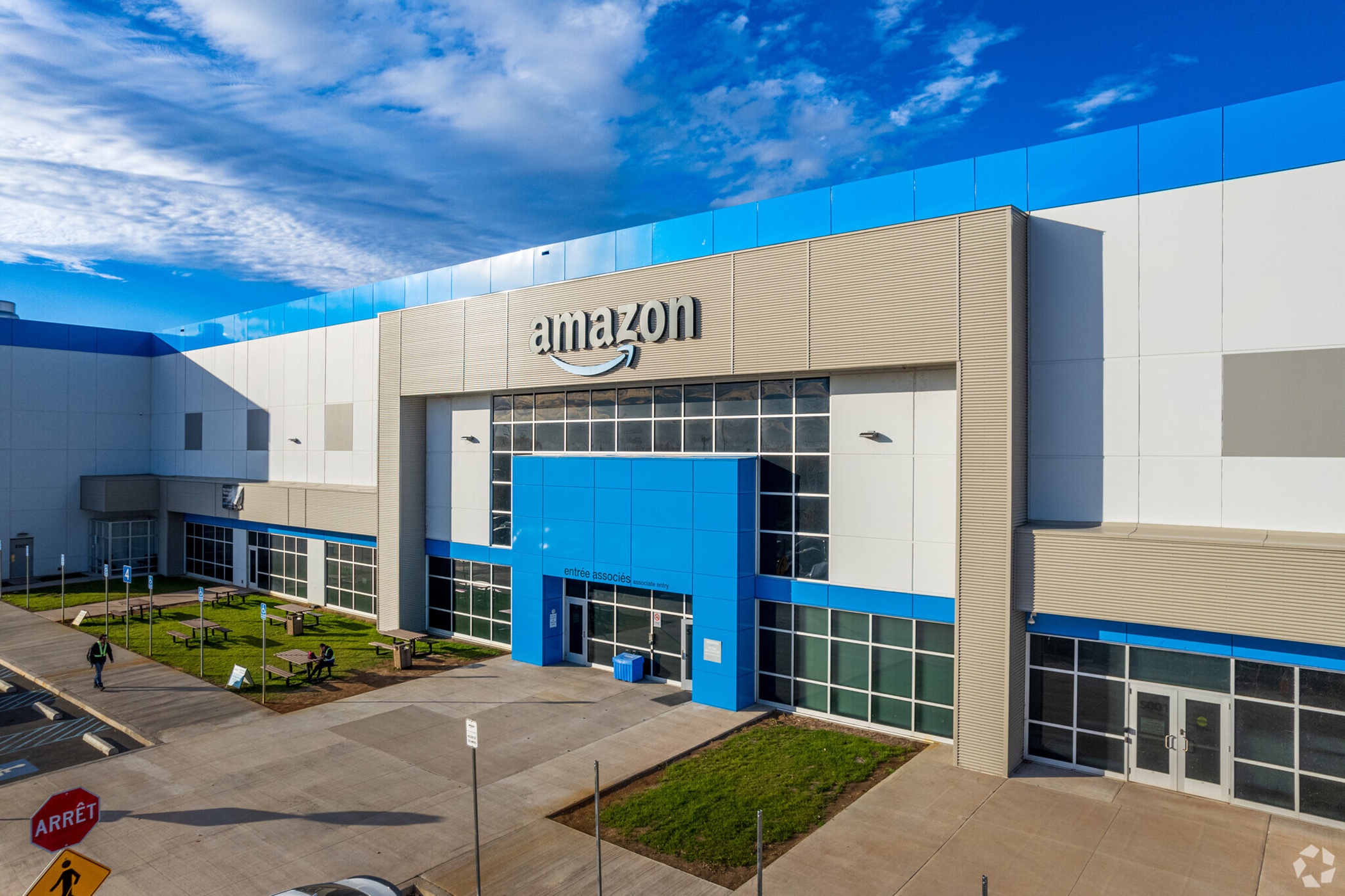
For now, Quebec is left rebuilding—its logistics system fragmented, its labor market flooded, and its trust in corporate permanence deeply shaken. Amazon has moved on. The shock, however, is only beginning to settle.