Jack Smith Breaks His Silence—and Draws a Sharp Line Between Free Speech and Criminal Conspiracy
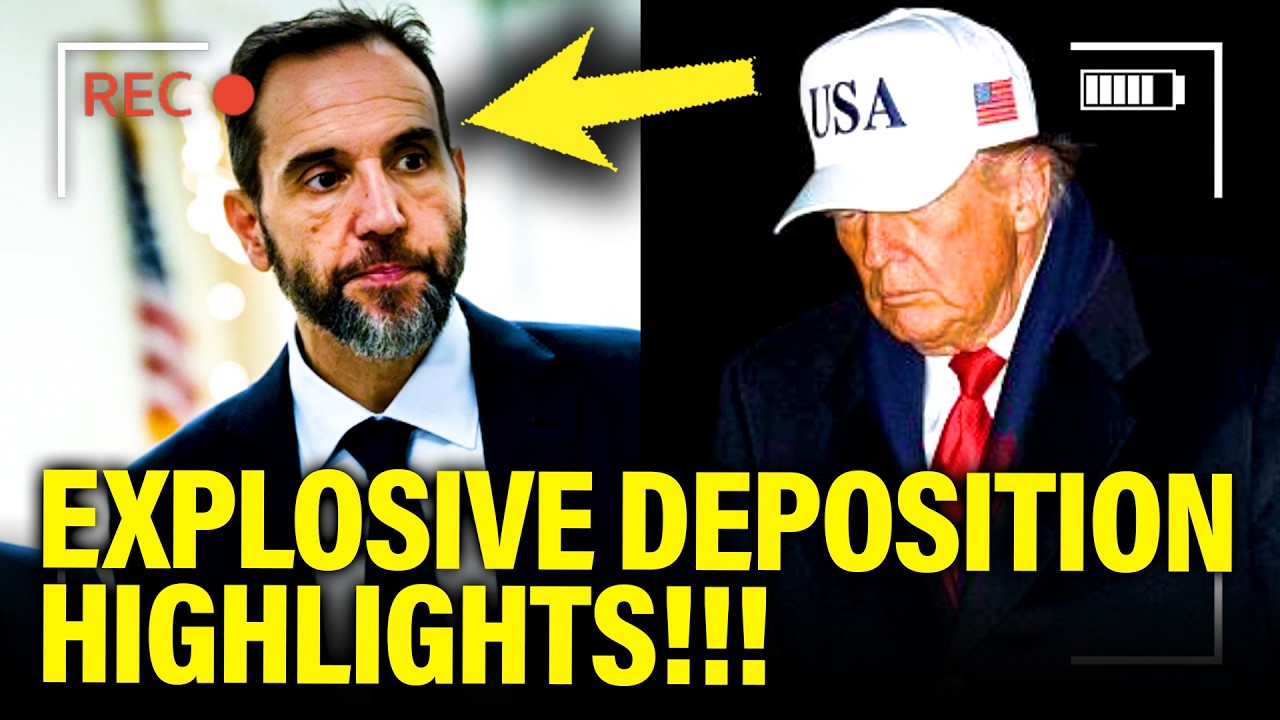
When the full, eight-hour video deposition of Special Counsel Jack Smith was released to the public, it offered something rare in modern American politics: a meticulous, unsparing account of how a former president crossed the boundary between protected speech and criminal conduct. Stripped of slogans and spectacle, Smith’s sworn testimony laid out a central argument with remarkable clarity—Donald Trump was free to lie about the 2020 election, but he was not free to use those lies to sabotage the lawful transfer of power.
At the heart of Smith’s testimony was a legal distinction that has long been blurred in political debate. The First Amendment, Smith explained, does not shield fraud. Candidates throughout American history have disputed elections, from 1800 to 2000, often loudly and bitterly. What made Trump’s conduct unprecedented, Smith said, was not the rhetoric but the intent: knowingly false claims deployed to obstruct a core democratic function. That, he told lawmakers, is not political speech. It is criminal conspiracy.
Smith’s deposition repeatedly returned to this theme. Trump, he said, could proclaim victory even after losing. He could complain, exaggerate, or distort. What he could not do was weaponize falsehoods to pressure state officials, manufacture fake electors, and interfere with Congress’s certification of the vote. “There is no historical analog for what President Trump did,” Smith testified, underscoring how sharply the case departs from past election disputes.

Equally striking was Smith’s flat rejection of claims that the investigation was politically driven. Under oath, he stated that neither Attorney General Merrick Garland nor President Biden had ever pressured him to pursue charges. The decision to prosecute, he said, was his alone—based solely on evidence and law, shaped by consultations with career prosecutors, and guided by decades of Justice Department norms. Had anyone attempted to interfere, Smith made clear, it “would not end well.”
That insistence on institutional independence contrasted sharply with the political environment Smith described as now surrounding the Justice Department. While he avoided commentary, the implication was unmistakable: the norms insulating prosecutors from political pressure have become fragile, if not endangered.
Perhaps the most damaging portion of the deposition for Trump was Smith’s account of the witnesses underpinning the case. The prosecution, he said, was built not on partisan adversaries but on Republicans—state legislators, election officials, and electors who had supported Trump and wanted him to win. These witnesses testified that what they were being asked to do was illegal and unconstitutional. Their loyalty, Smith noted, was ultimately to the country, not the party.
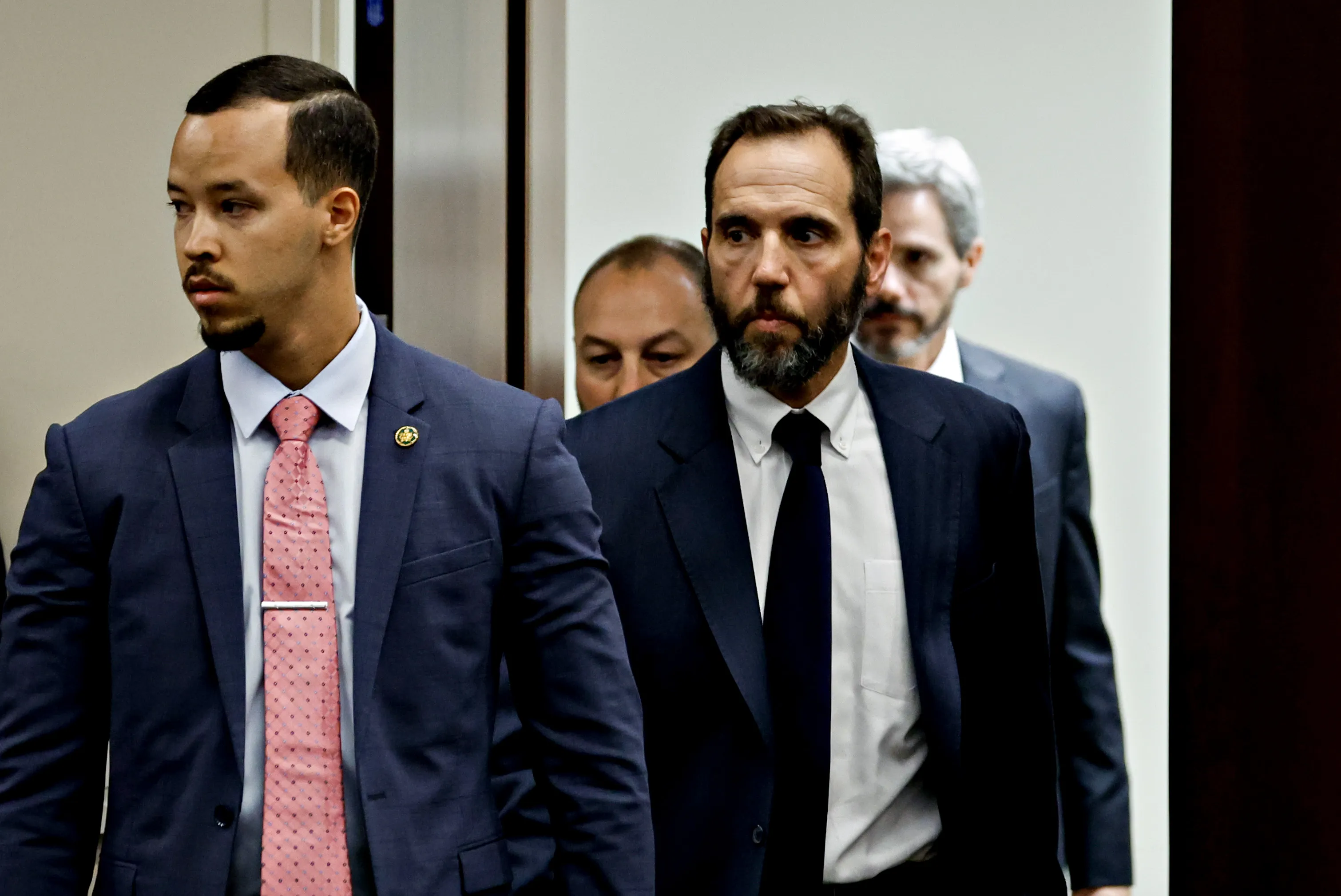
That pattern, Smith argued, revealed Trump’s intent. When confronted with facts showing he had lost, Trump rejected them. When presented with fringe legal theories suggesting a path to staying in power, he embraced them. The investigation documented repeated efforts to contact lawmakers on January 6, even as violence erupted at the Capitol and the president refused to intervene. Toll records—lawfully subpoenaed, not wiretapped—established the timing of those calls, reinforcing the case for criminal intent.
Smith also addressed one of Trump’s most persistent talking points: executive immunity. The Supreme Court’s decision expanding presidential immunity, he acknowledged, narrowed aspects of the case and forced prosecutors to revise the indictment. But it did not exonerate Trump. The core evidence remained intact, Smith said, including testimony from state officials and documentation of actions taken not as president, but as a candidate clinging to office.
The deposition shed light on communications involving key figures in Trump’s orbit, including Steve Bannon and Boris Epshteyn, whom Smith identified as a co-conspirator. Text messages, interviews, and proffer sessions painted a picture of coordinated efforts to pressure Republican lawmakers, relying explicitly on party allegiance to secure cooperation. The strategy, Smith suggested, was not subtle—and it was central to the prosecution’s theory.
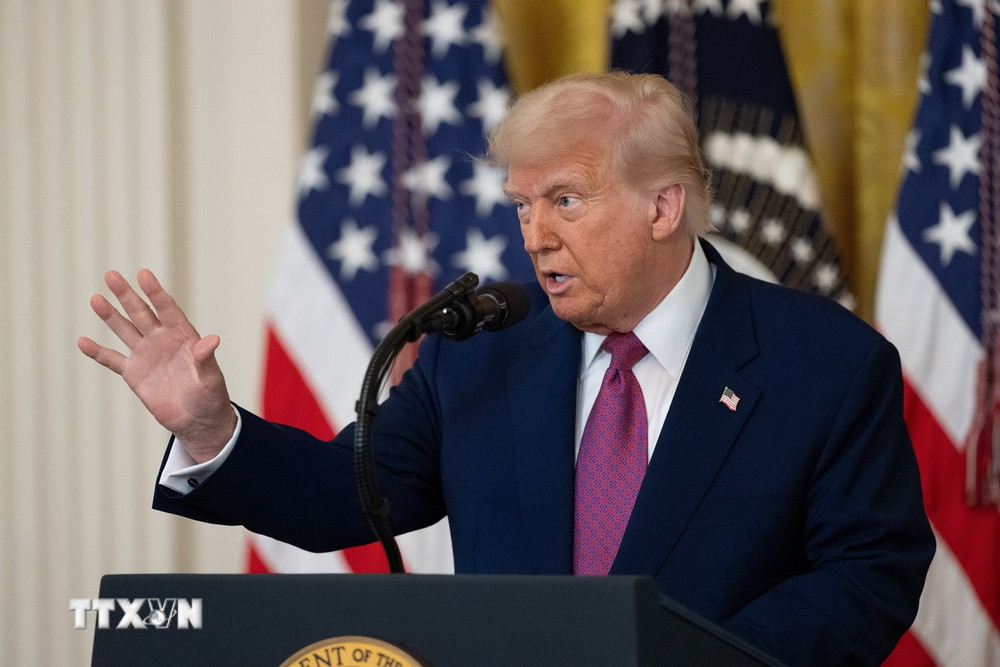
In some of the most personal moments of the testimony, Smith spoke about the toll of the investigation on career prosecutors and FBI agents, many of whom have since been vilified or dismissed. He expressed anger that public servants were targeted simply for doing their jobs. His decisions, he emphasized, were not influenced by Trump’s politics, his candidacy, or his status as a former president.
Ultimately, Smith’s deposition was less about legal technicalities than about accountability. When lawmakers asked who should be held responsible for subpoenas and investigative steps that angered members of Congress, Smith’s answer was blunt: Donald Trump. Every call, every record, every evidentiary trail flowed from Trump’s own directives.
In an era saturated with accusations and counter-accusations, Smith’s testimony offered a sober reminder of how the justice system is meant to function. Facts are gathered. Laws are applied. Power does not confer immunity from consequence. Whether the public accepts that principle may shape the future of American democracy as profoundly as the events of January 6 itself.