SHOCKING BOMBSHELL: Pakistan Breaks Ranks at the UN, Intensifying Global Backlash Against Trump’s Venezuela Strategy
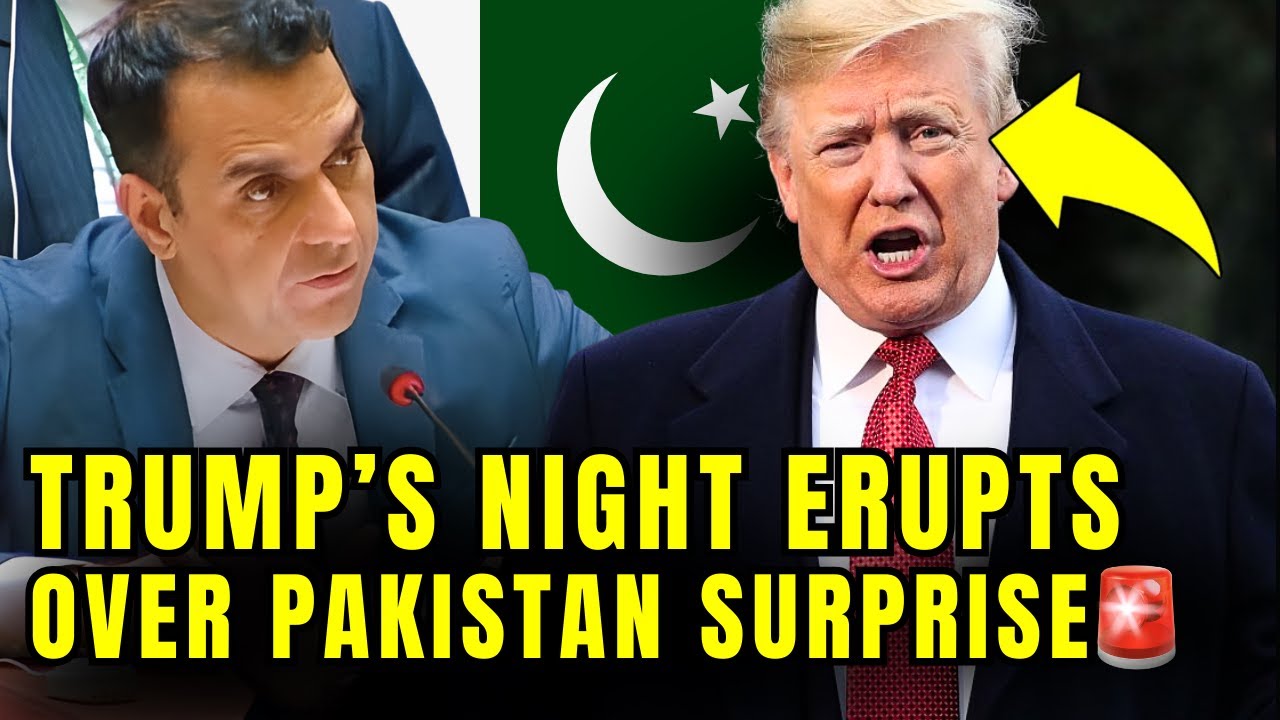
A dramatic diplomatic bombshell has erupted on the global stage as Pakistan publicly challenged Donald Trump’s foreign policy, triggering a new wave of international criticism and political fallout. In a moment that stunned observers, Pakistan’s statement at the United Nations sharply rebuked unilateral U.S. actions toward Venezuela, escalating tensions around Trump’s approach to war, oil, and executive power.
The controversy unfolds amid growing scrutiny of Trump’s alleged plans to expand U.S. involvement in Venezuela. Critics argue the administration’s focus on drug trafficking masks a deeper economic motive tied to oil interests, warning that America could be pushed toward another foreign conflict without congressional approval.
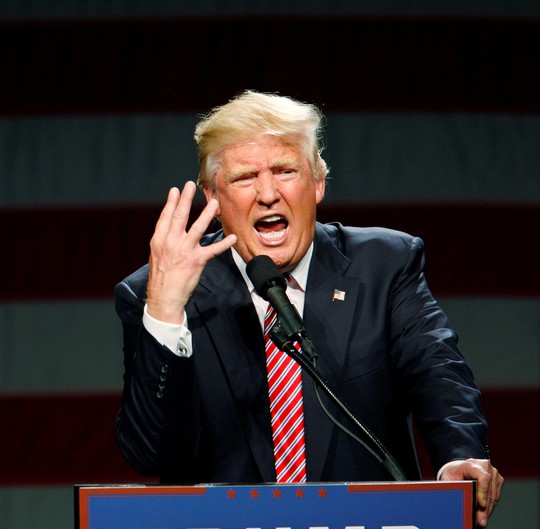
Democratic lawmakers have repeatedly stressed that the president lacks constitutional authority to initiate military action alone. They argue Republicans now face a critical test: defend Congress’s war-making powers or continue enabling unilateral executive action that could bypass democratic debate.
Veterans and foreign policy experts have issued stark warnings about the realities of military escalation in Venezuela. Jungle and river-based warfare, they say, would pose extreme risks to U.S. troops, reviving the trauma of “forever wars” fought at enormous human cost. Critics increasingly describe the policy as “blood for oil.”Venezuela’s vast oil wealth sits at the center of the dispute. With more than 300 billion barrels in proven reserves—the largest in the world—analysts point to Chevron’s contracts and special Treasury Department permissions as evidence that U.S. oil companies stand to gain enormously from heightened pressure on Caracas.
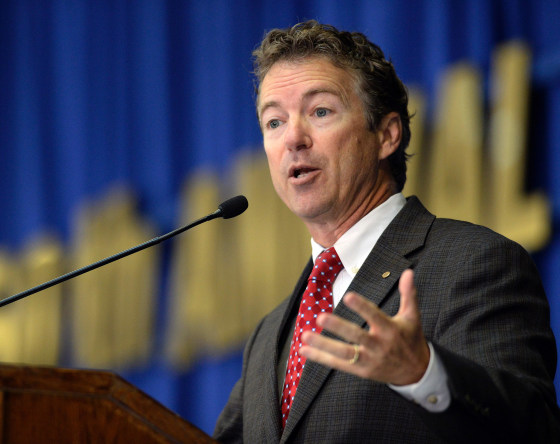
Concerns have also emerged from within Republican ranks. Senator Rand Paul previously warned that Venezuela has no connection to America’s fentanyl crisis, noting that fentanyl largely originates from China. He emphasized that drug interdiction is a criminal justice issue, not a justification for military force or summary violence.The political storm intensified when Pakistan delivered a sharply worded statement at the United Nations Security Council. Islamabad expressed profound concern over escalating tensions in Venezuela, warning that instability in the Caribbean threatens both regional and global peace.
Citing the UN Charter, Pakistan underscored principles of sovereign equality, non-interference, and peaceful resolution of disputes. The country cautioned that unilateral military action violates international law and sets dangerous precedents capable of eroding the global legal framework.

Diplomats and analysts quickly interpreted the statement as a direct rebuke of Trump’s Venezuela posture. Pakistan’s intervention highlighted growing unease among many nations, signaling that resistance to U.S. unilateralism is no longer confined to domestic critics.
As backlash builds at home and abroad, Trump’s Venezuela strategy is rapidly becoming a defining flashpoint in debates over presidential power, foreign intervention, and corporate influence in U.S. policy. With congressional scrutiny intensifying and international pressure mounting, the political consequences of this approach may only be just beginning.