Fractures From Within: As MAGA Media Turns on Donald Trump
Washington — For nearly a decade, Donald Trump has not only dominated the Republican Party but also presided over a vast conservative media ecosystem: cable networks, political podcasts, livestreamers, and social media influencers who defended him through impeachment, criminal investigations, and the aftermath of the 2020 election.
In recent weeks, however, a striking and unusual shift has emerged. A growing number of prominent MAGA-aligned podcasters and influencers are now publicly breaking with Trump—criticizing not just his political strategy, but his credibility, judgment, and legacy. Notably, these attacks are not coming from Democrats or mainstream media, but from inside Trump’s own media stronghold.
Andy Frisella: “Trump Has Lost Touch With His Own Base”
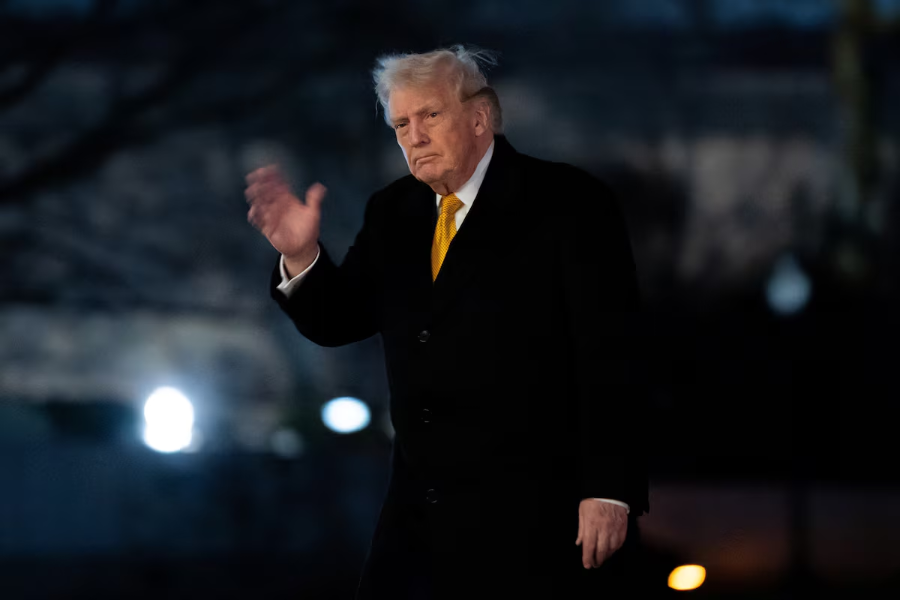
Andy Frisella, a business entrepreneur and one of the most influential MAGA podcasters, recently delivered a blunt rebuke of Trump during a broadcast that quickly spread across X and YouTube. Frisella accused Trump of being surrounded by advisers who are either lying to him or complicit in misleading his supporters, arguing that Trump has become disconnected from what his base actually wants.
Frisella’s criticism carries weight precisely because he is not a longtime Trump skeptic. He was once a vocal supporter who mobilized audiences on Trump’s behalf. His remarks reflect a broader frustration among parts of the MAGA base who believe Trump squandered a historic opportunity to fundamentally reform the political system he once vowed to dismantle.
Candace Owens and a Public Admission of Political Regret\
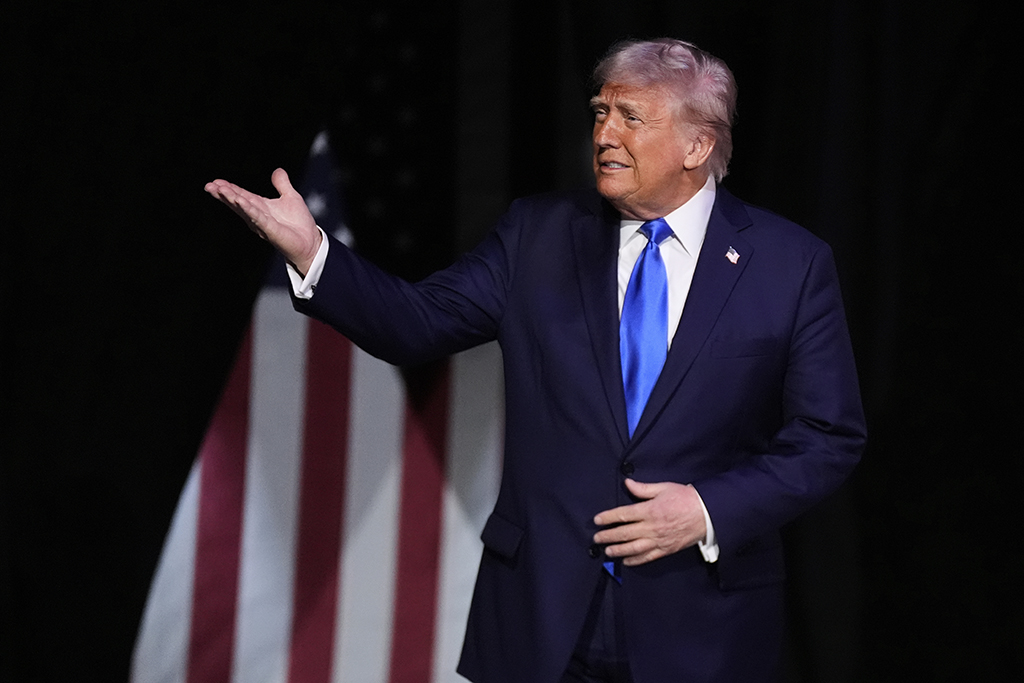
Candace Owens, once among Trump’s most prominent media allies, acknowledged on Piers Morgan Uncensored that she now feels “embarrassed” for encouraging people to vote for Trump. While maintaining that Trump was preferable to Joe Biden or Kamala Harris, Owens described his presidency as a “chronic disappointment.”
Her comments mark a significant shift. Owens previously served as a bridge between Trumpism, younger conservative audiences, and alternative media platforms. Her retreat underscores Trump’s shrinking appeal beyond his most loyal supporters.
Tim Dillon, Joe Rogan, and the “Lame Duck” Narrative
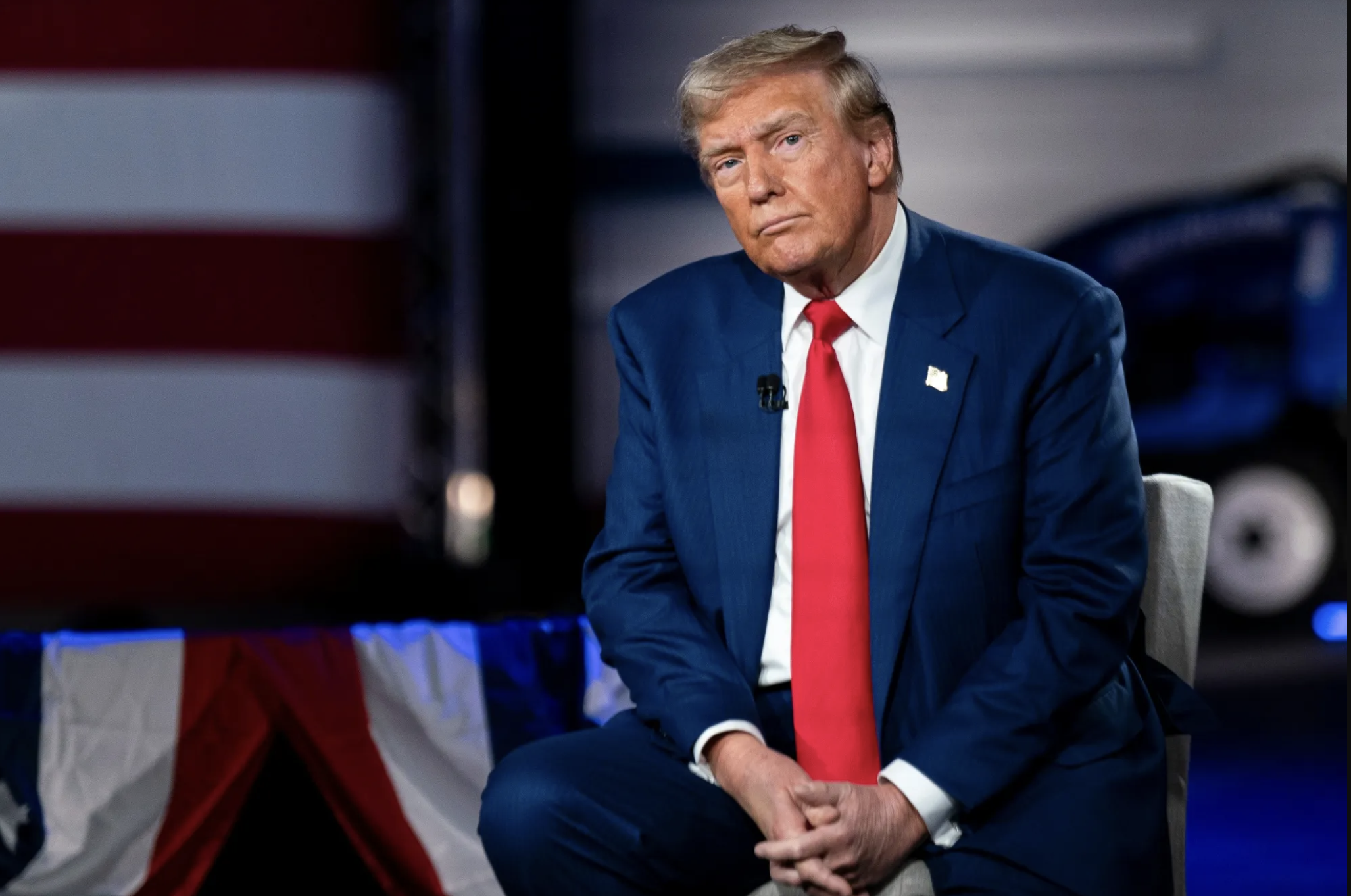
On some of America’s most influential podcasts, skepticism toward Trump has grown more explicit. Comedian and podcaster Tim Dillon described the current moment as “the end of the Trump administration,” calling Trump a “lame duck” president whose authority is visibly eroding—even among longtime allies.
Joe Rogan, who previously hosted Trump on his podcast, has increasingly questioned Trump’s behavior and credibility. Rogan criticized Trump’s decision to affix his name to public institutions and openly mocked contradictions surrounding the Epstein files. Most notably, Rogan stated that when he directly asked Trump for evidence that the 2020 election was stolen, Trump failed to provide a convincing answer.
The Epstein Files and a Collapse of Trust
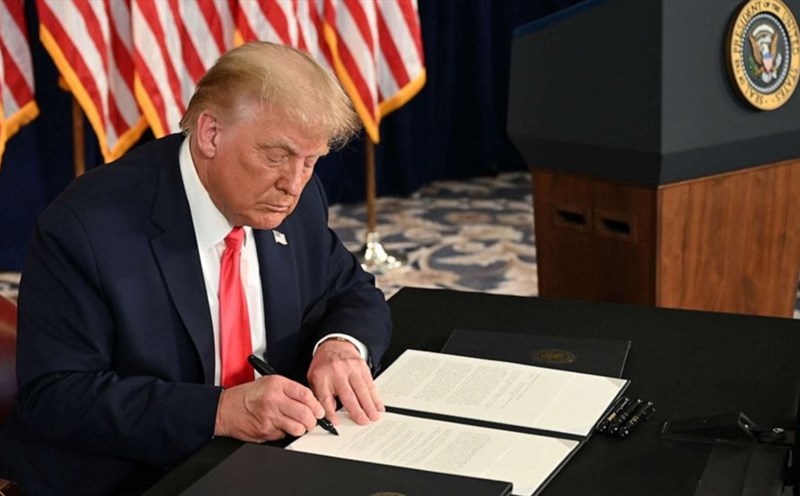
One recurring theme among former MAGA influencers is anger over the Epstein controversy. Many accuse Trump’s administration of reneging on promises to release Epstein-related records, calling the subsequent dismissal of the issue as a “hoax” an insult to supporters’ intelligence.
Christian Cooper, a MAGA influencer who voted for Trump, explained why she recently unfollowed numerous conservative figures. She cited frustration with being labeled disloyal for questioning policies related to surveillance expansion, artificial intelligence, PFAS chemicals, ballooning debt, and continued overseas military spending. For Cooper and others, the problem is not ideological opposition but a sense of betrayal.
A Right-Wing Civil War: Shapiro, Bannon, and the Media Split
At the same time, a fierce internal battle is unfolding within conservative media itself. Ben Shapiro, long positioned as an intellectual leader of the modern right, has become a target of attacks from figures such as Steve Bannon and Alex Jones, who accuse him of consolidating power and manipulating conservative audiences.
Shapiro has responded by condemning what he calls the moral and intellectual decay of the right, blaming figures like Nick Fuentes, Tucker Carlson, and Andrew Tate for normalizing extremism. The conflict illustrates a deeper fragmentation within MAGA media—one no longer unified around Trump or any single authority.
When MAGA Is No Longer a Monolith
What makes this moment distinct is not that Trump is being criticized—he has faced dissent before—but who is delivering the criticism. These voices once amplified Trump’s message, defended him relentlessly, and helped build his political brand.
Political analysts note that while Trump may retain a fiercely loyal core base, the media ecosystem that once shielded him from sustained internal dissent is breaking apart. In an era where political power is inseparable from media influence, that rupture may prove consequential well beyond a single election cycle.
Trump rose to power by casting himself as an outsider fighting entrenched elites. Now, many within his own movement are openly questioning whether he has become exactly what he once promised to oppose.