Trump Administration in Chaos as Venezuela Power Grab Unravels Live on TV
The Trump administration is facing growing accusations of disorder and incompetence after its dramatic move against Venezuela appeared to collapse under public scrutiny. What was framed by Donald Trump as a decisive, controlled operation quickly turned into a spectacle of contradictions, confusion, and mixed messages—most notably exposed during live television appearances. Far from projecting strength, the administration revealed that it has no clear plan for governing, stabilizing, or even defining who is actually in charge of Venezuela.
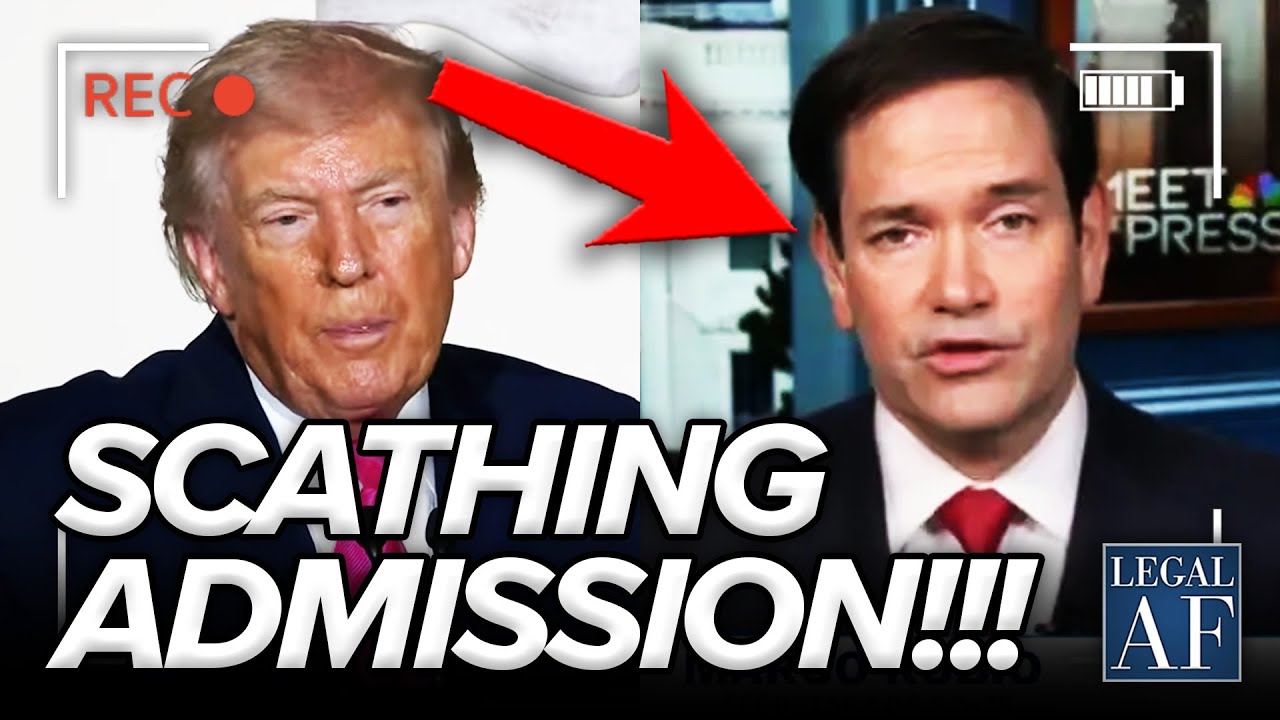
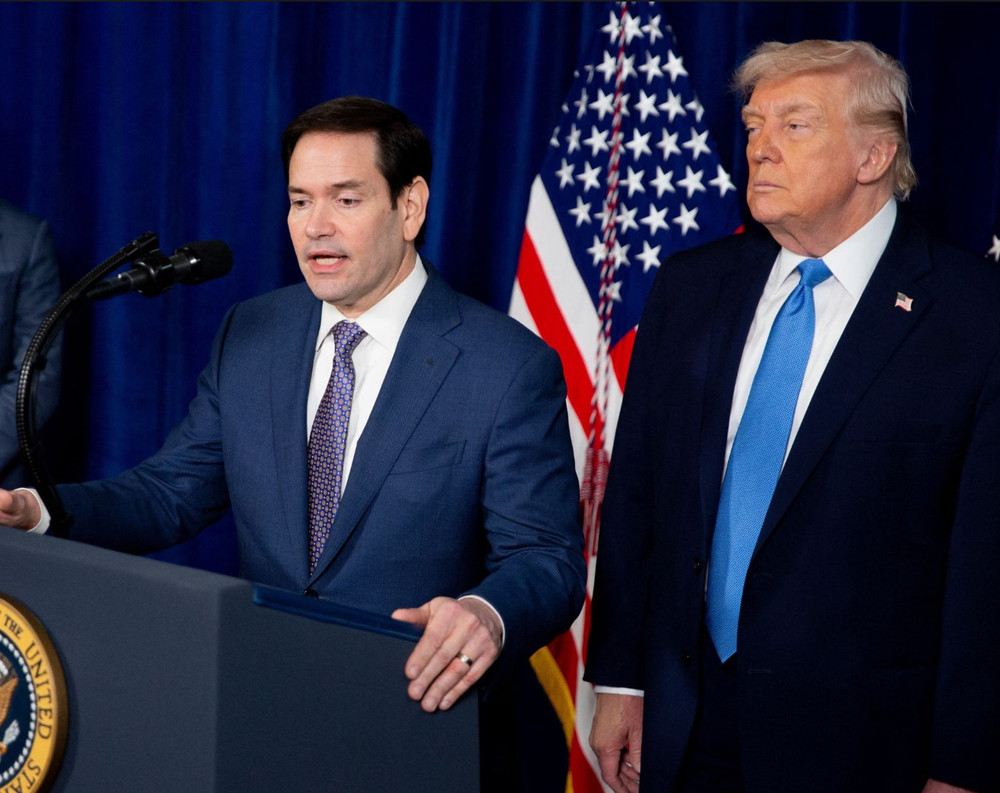
At the center of the confusion is the stark contradiction between Trump and his own Secretary of State, Marco Rubio. During a rambling press conference, Trump claimed the United States was “running the country” and promised that American oil companies would soon take over Venezuela’s energy sector. Yet just hours later, Rubio walked those claims back on national television, insisting the U.S. was not in control of Venezuela but merely exerting “leverage” through oil embargoes and maritime enforcement. The conflicting narratives instantly raised alarm among allies, markets, and foreign policy experts.
The optics inside the White House only reinforced the sense of dysfunction. Vice President JD Vance and Attorney General Pam Bondi—both of whom had publicly described the operation as a “law enforcement action,” not a military one—were conspicuously absent from key photo ops. Instead, the room was dominated by intelligence and defense officials, fueling speculation that the CIA and Pentagon are driving policy while civilian leadership struggles to keep up. Analysts noted that Trump appeared physically exhausted and unfocused, further undermining confidence in his leadership at a critical moment.
Meanwhile, the situation on the ground in Venezuela tells a far darker story. Despite talk of “liberation” in U.S. political circles, power remains firmly in the hands of Maduro-era figures, including Vice President Delcy Rodríguez and Interior Minister Diosdado Cabello. Martial law declarations and televised warnings to civilians have sparked fear among ordinary Venezuelans, who now face even greater instability. Critics argue that removing Maduro without a transition plan has not produced regime change, only chaos.
Oil, long suspected as the real motive, has become another flashpoint. Trump repeatedly emphasized Venezuela’s “tremendous oil assets,” claiming U.S. companies were ready to move in. Rubio, however, admitted no serious discussions had taken place with major oil firms, directly contradicting the president. This public split reinforced perceptions that the administration is improvising policy in real time, with no coordination between the Oval Office and the State Department.
The political fallout is expanding rapidly. Democratic leaders, international observers, and even local officials in U.S. cities with large Venezuelan populations are calling for emergency protections, including reinstating Temporary Protected Status (TPS) for Venezuelans who cannot safely return home. What was meant to be a show of American dominance has instead become a case study in strategic failure—leaving the Trump administration weakened, divided, and increasingly isolated as the consequences continue to unfold.