Inside Trump’s Lavish Mar-a-Lago New Year’s Eve: Millions, Migrant Rants, and an Awkward Spotlight on Barron
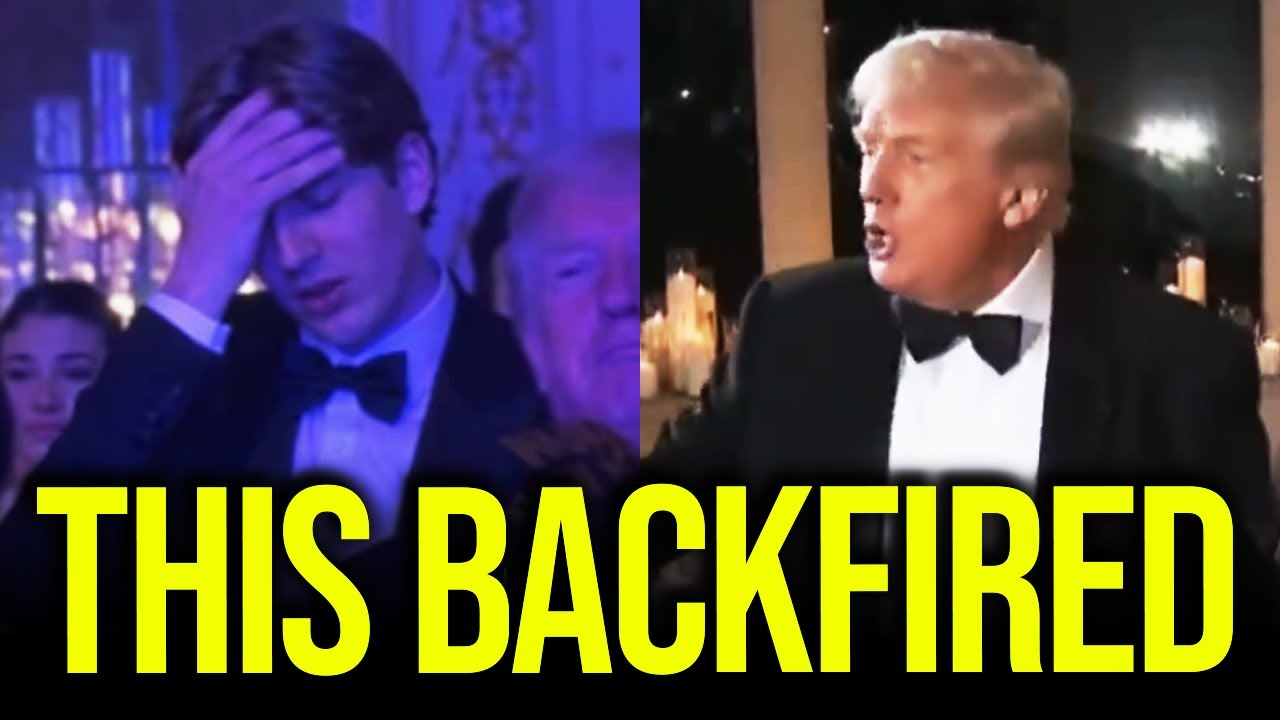
Donald Trump rang in the New Year at an exclusive Mar-a-Lago celebration that quickly drew backlash, not for its glamour, but for what critics call a stunning display of political and social disconnect. The black-tie event, reserved for ultra-wealthy guests, featured million-dollar art auctions, champagne excess, and rhetoric far removed from the economic anxiety gripping most Americans.
According to video footage from the night, Trump took the stage less like a host and more like a campaign rally emcee, delivering remarks that targeted Somali immigrants while guests casually bid hundreds of thousands—and in some cases millions—of dollars on artwork. At one point, Trump reportedly brushed off a $2 million bid as “peanuts,” a comment that ricocheted across social media as emblematic of elite indifference.

The contrast was hard to ignore. While millions of Americans face rising healthcare premiums, expiring ACA subsidies, and stubborn inflation, Trump appeared unbothered, presiding over an auctioneer-style spectacle for donors and insiders. Critics noted that similar behavior from a Democratic president would likely dominate headlines for weeks, underscoring what they see as a double standard in political outrage.
Trump’s remarks about Somali communities drew particular condemnation. Though a fraud case involving some Somali immigrants was cited by his allies, critics emphasized that the scheme was led by a white organizer and warned against painting an entire immigrant community with a single brush. Civil rights advocates called the rhetoric divisive and racially charged, arguing it distracts from systemic economic issues.
The irony deepened when Trump, later that evening, told reporters his wish for the new year was “peace on earth.” Moments afterward, cameras captured him standing alongside Israeli Prime Minister Benjamin Netanyahu, a juxtaposition that reignited criticism of Trump’s foreign policy alliances and his rhetoric on global conflicts, including Gaza and Ukraine.
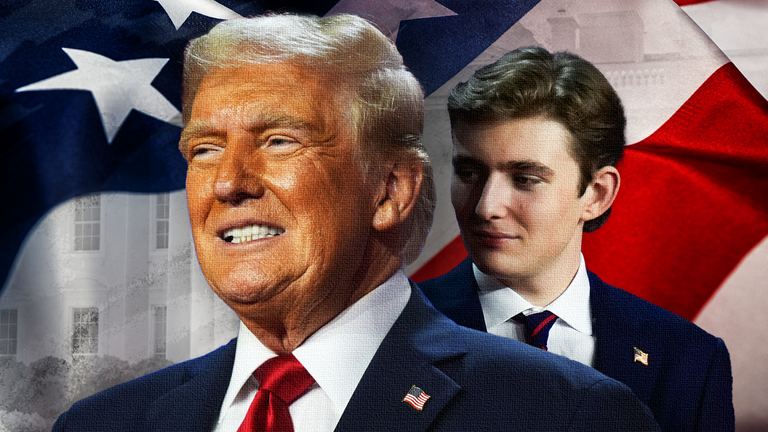
Adding a human layer to the spectacle was 19-year-old Barron Trump, who appeared visibly uncomfortable throughout the night. While most teenagers spend New Year’s Eve with friends, Barron stood stiffly beside his parents under the glare of cameras. Tabloid coverage seized on the awkwardness, contrasting his reserved demeanor with online narratives portraying him as aligned with hyper-masculine “alpha” influencers.
Observers also noted Trump’s physical appearance, with videos showing a brief limp as he entered the event, quickly corrected once he noticed the cameras. Though minor, the moment fueled further online speculation and underscored how intensely every detail of Trump’s public appearances is scrutinized.
Ultimately, the Mar-a-Lago New Year’s Eve party became more than a celebration—it became a symbol. To critics, it encapsulated a presidency defined by wealth concentration, cultural grievance politics, and self-enrichment. As Trump campaigns on promises to understand ordinary Americans, this night of luxury, auctions, and rhetoric may linger as a powerful counterimage.