Chaos at the Top: Trump’s Venezuela Gamble Unravels as Hegseth, Rubio Freeze on Live TV
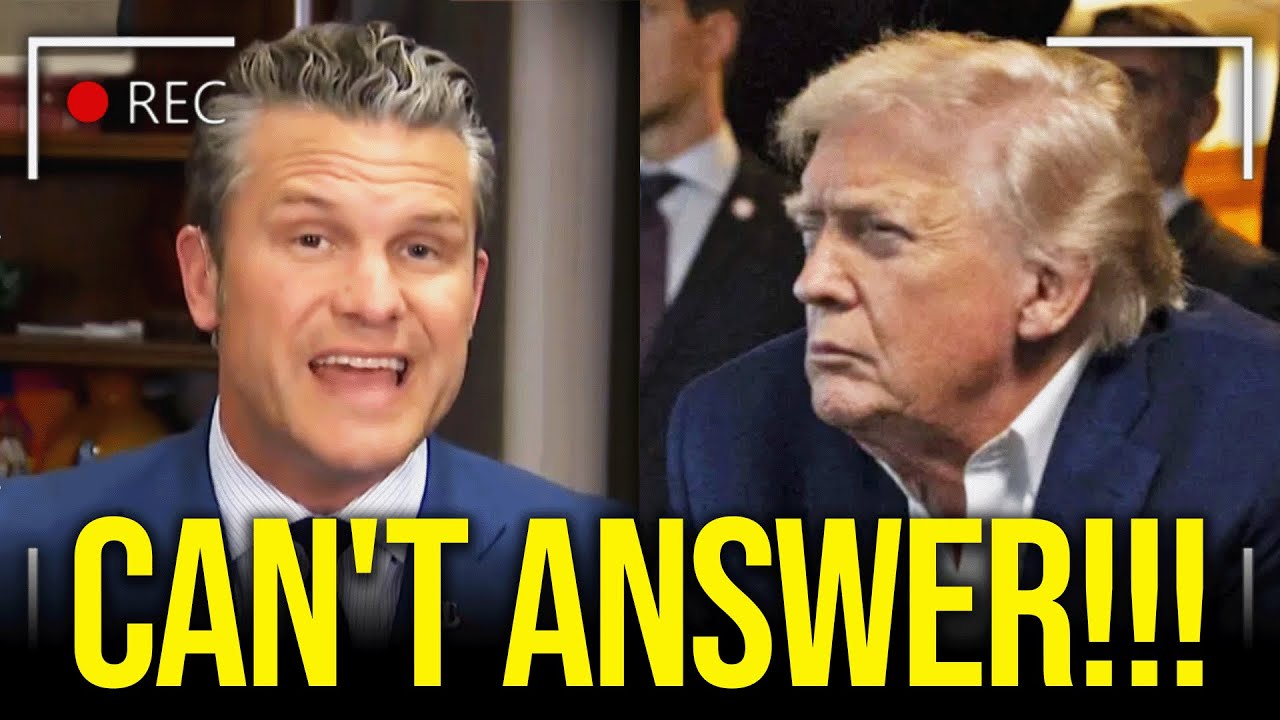
The Trump administration is facing mounting criticism after senior officials appeared unprepared, contradictory, and evasive when pressed about what comes next following the sudden arrest of Venezuela’s president Nicolás Maduro. What was framed as a decisive strike quickly turned into a public relations and governance crisis played out on live television.
On Sunday morning, top figures including Defense Secretary Pete Hegseth and Secretary of State Marco Rubio struggled to answer basic questions about authority, leadership, and strategy. When asked who is currently running Venezuela, officials offered vague, shifting responses—at times implying the United States itself was now in charge, a claim that stunned lawmakers and analysts alike.
The confusion exposed a glaring absence of a post-operation plan. While the removal of Maduro was portrayed as a success, administration figures failed to clarify who would govern Venezuela in the immediate aftermath, how stability would be maintained, or whether the U.S. intended to occupy or directly administer the country. Critics warned that history shows regime change without planning often leads to chaos, violence, and power vacuums.

Senator Marco Rubio’s appearance on Meet the Press intensified concerns. Pressed repeatedly on whether the United States was now running Venezuela, Rubio pivoted to broad national security rhetoric, citing drugs, adversaries, and hemispheric threats—without ever directly answering the question. The evasiveness fueled fears that decisions were being improvised in real time.
Mixed messaging worsened when Senator Tom Cotton suggested Maduro’s sanctioned vice president could potentially assume power, directly contradicting claims that the U.S. was setting new terms. If true, critics argue, the entire operation risks appearing symbolic rather than transformative, replacing one authoritarian figure with another closely tied to the same regime.
Questions about legality soon took center stage. Lawmakers demanded to know why Congress was not consulted, especially after prior assurances that military action against Venezuela would require congressional approval. Rubio insisted the operation was merely a “law enforcement action,” a claim legal experts and Democrats dismissed as implausible given reports of airstrikes, seizures, and the capture of a foreign head of state.
Defense Secretary Pete Hegseth further inflamed tensions by stating that the United States would “control what happens next,” while declining to rule out troops on the ground. Analysts warned that such statements suggest open-ended involvement without democratic oversight, raising alarms about expanding executive power and setting dangerous precedents for future interventions.
As leaks, internal contradictions, and legal challenges pile up, the Venezuela operation is increasingly viewed not as a show of strength, but as a case study in strategic incoherence. What began as a dramatic assertion of American power now threatens to undermine trust, stability, and the very principles the administration claims to defend.