CROFTON MILL SHUTDOWN SPARKS NATIONAL OUTRAGE: CANADA’S FORESTRY CRISIS ERUPTS AS COMMUNITIES PAY THE PRICE
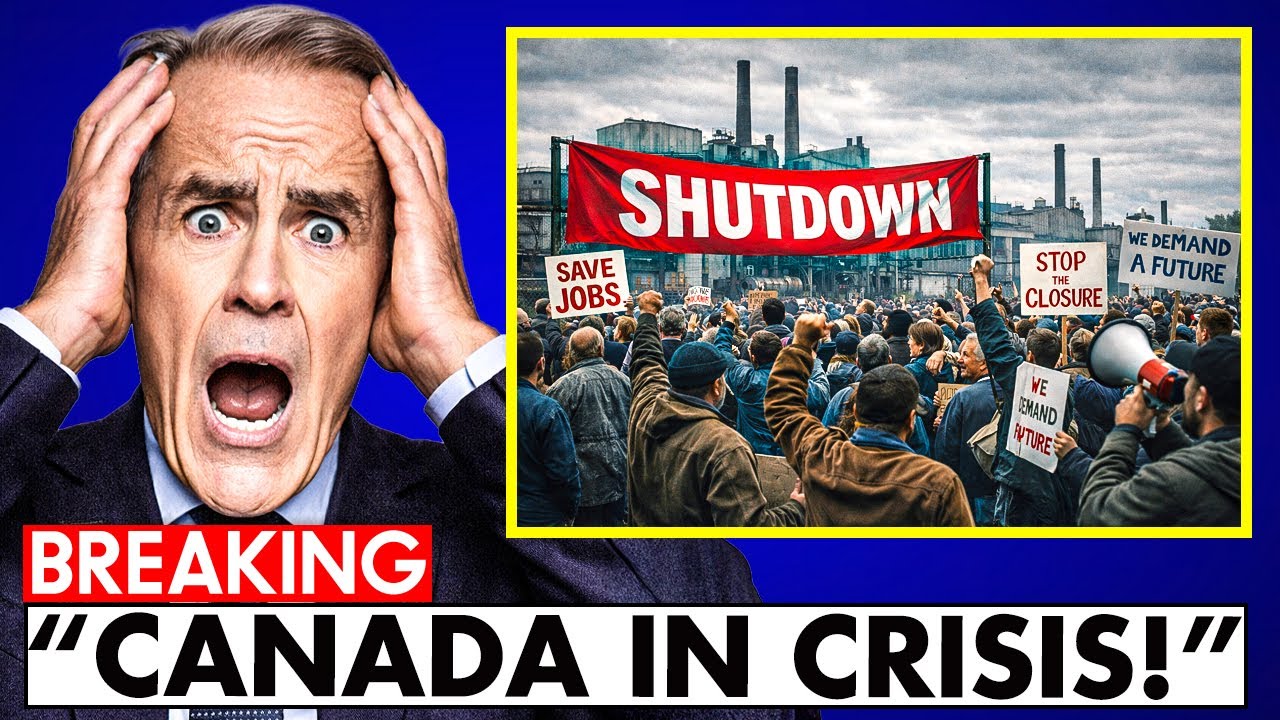
Canada’s economic fault lines were laid bare this week as the Crofton pulp mill in British Columbia announced its permanent shutdown just days before Christmas, sending shockwaves through the Cowichan Valley. The closure ends nearly 70 years of operations and instantly puts more than 350 workers out of a job, dealing a devastating blow to a town that was built around the mill and depended on it for survival.
The fallout is already spreading far beyond the mill gates. Crofton stands to lose roughly $5–6 million a year in property tax revenue, money that funded basic services such as roads, fire protection, and municipal operations. Local businesses—from truckers and suppliers to diners and small shops—are bracing for collapse as the economic ripple effect tightens its grip on the entire region.
The company behind the shutdown cited a toxic mix of low global pulp prices, rising costs, forest fires, pine beetle damage, and—most critically—a lack of affordable fiber supply in British Columbia. Workers and unions reject any suggestion that the closure was due to inefficiency, pointing out that employees spent months cutting costs and improving productivity, only to be defeated by a system stacked against them.

As anger mounts, political pressure is building around Prime Minister Mark Carney, whose calm and measured responses are being criticized as detached amid an unfolding crisis. While provincial and federal leaders have expressed sympathy, critics argue that words like “stabilization” and “transformation” ring hollow without concrete timelines, funding, or guarantees for displaced workers and struggling communities.
Zooming out, Crofton is no isolated case. British Columbia has lost an estimated 11,700 natural resource jobs in just one year—a staggering 21% decline. From Cowichan Valley to 100 Mile House, mill closures are following a familiar pattern: quiet announcements, permanent job losses, and towns left scrambling as investment dries up and confidence collapses across the forestry sector.
For many Canadians, the Crofton shutdown has become a symbol of something deeper—a slow-motion economic breakdown being normalized as inevitable. As mills disappear and communities hollow out, the question is no longer just about pulp or timber. It’s about whether Canada is willing to confront the systemic failures behind this collapse, or whether towns like Crofton will continue to vanish—one quiet shutdown at a time.