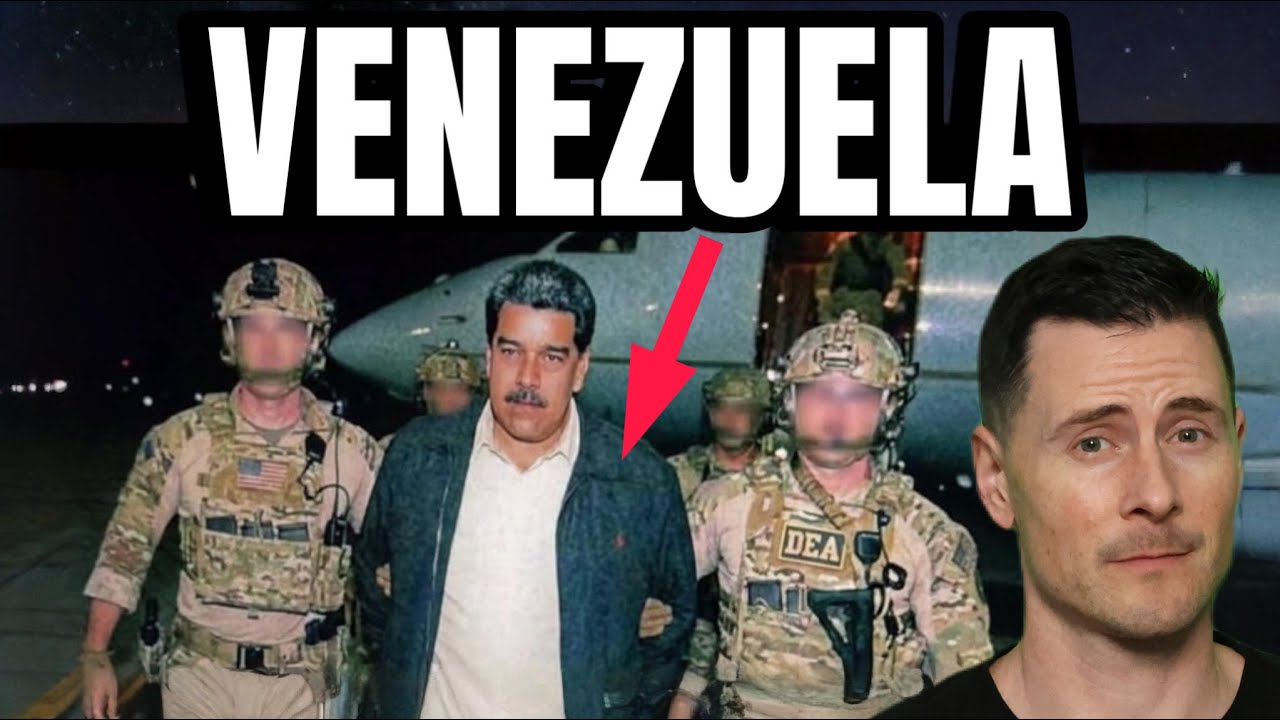
Washington — Dramatic claims circulating online this week described a sweeping U.S. military operation in Venezuela, including airstrikes across the country and the capture of President Nicolás Maduro. The posts, videos and commentary offered vivid detail — down to aircraft types, special-operations units and timelines — and attributed the action to orders from former President Donald Trump.
What they did not provide was confirmation.
As of this writing, there has been no corroboration from the Pentagon, the White House, U.S. Southern Command, allied governments, international monitors or independent journalists on the ground. No emergency sessions have been announced by the United Nations Security Council. Major global news organizations have not verified the claims. In short, the assertions remain unproven.
That gap between specificity and verification has become the story.
The content spreading online reads like an after-action report, describing helicopters over Caracas, precision strikes on airfields and ports, and the seizure of the Venezuelan leader. It also cites supposed announcements on social media and hints at forthcoming press conferences. Yet the usual markers of a genuine, large-scale military action — official briefings, flight advisories, satellite imagery confirmed by independent analysts, and statements from regional governments — are absent.
Military experts note that operations of the magnitude described would be nearly impossible to conceal. “You don’t conduct sustained strikes on a capital city and remove a head of state without immediate, multi-source confirmation,” said a retired U.S. defense official. “Silence from every formal channel is itself a signal.”
The episode illustrates a broader challenge in the digital age: how quickly detailed narratives can outpace evidence. The posts blend real capabilities — aircraft the U.S. does operate, units that do exist — with conjecture about their deployment. That mix can feel convincing, particularly to audiences accustomed to granular military analysis videos and real-time conflict footage from other wars.
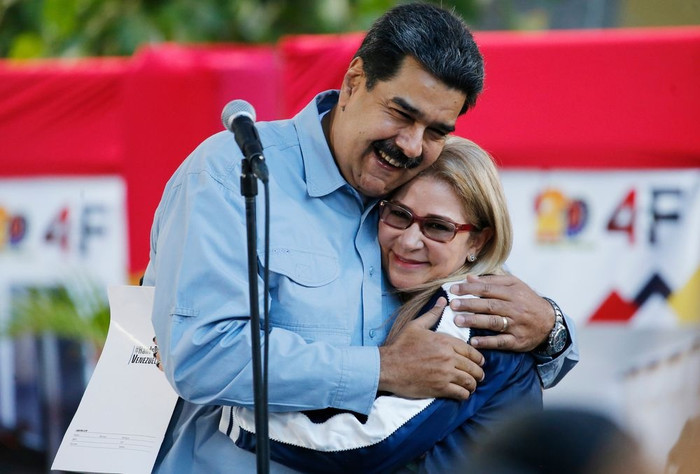
But plausibility is not proof.
Historically, U.S. military actions involving regime change or the detention of foreign leaders have generated unmistakable diplomatic shockwaves. Allies react publicly. Markets move. Airspace restrictions are announced. None of that has occurred. Venezuelan authorities have issued routine statements denying any such events, and while official denials are not dispositive, they underscore the absence of confirming evidence.
The political context helps explain why the claims gained traction. U.S.–Venezuela relations have been tense for years, marked by sanctions, criminal indictments of Venezuelan officials in U.S. courts, and debates over recognition of opposition figures. Against that backdrop, narratives of decisive force can resonate with audiences primed to expect escalation.
Yet legal constraints matter. The use of force against another state — particularly the capture of its sitting president — would raise profound questions under international law and the U.S. Constitution. Such action would almost certainly require explicit congressional authorization or an immediately articulated legal rationale. No such explanation has been offered.
There is also a cautionary lesson about amplification. Repeating technical details — aircraft models, unit names, strike packages — can inadvertently lend credibility to unverified claims. News organizations typically avoid doing so until facts are established, precisely to prevent rumor from hardening into belief.
That restraint is not censorship; it is due diligence.
None of this precludes future developments. Governments sometimes delay acknowledgment of sensitive operations. But when days pass without confirmation, the probability that the claims are exaggerated or false increases. Analysts emphasize the importance of waiting for independent verification — from satellite imagery firms, neutral observers, or official statements that can be cross-checked.
The episode arrives at a moment of heightened skepticism about information ecosystems. Audiences are simultaneously more exposed to real-time conflict reporting and more vulnerable to convincingly packaged misinformation. The result is a paradox: the more detail a claim provides, the more scrutiny it deserves.
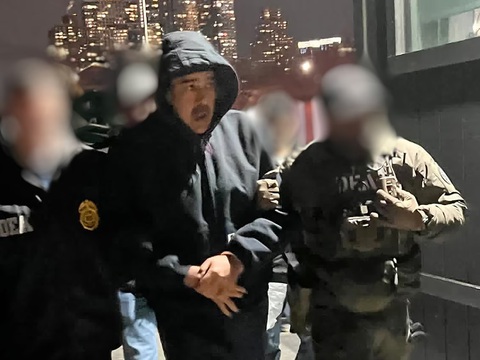
For now, the responsible conclusion is limited and clear. The assertions describing a U.S. military seizure of Venezuela’s president remain unverified. No independent evidence substantiates them. The absence of corroboration from every expected channel weighs heavily against their accuracy.
In international affairs, extraordinary claims demand extraordinary evidence. Until such evidence appears, the claims should be treated as speculation — not as news.