Trump’s Revival of the Monroe Doctrine Alarms Allies and Critics Alike
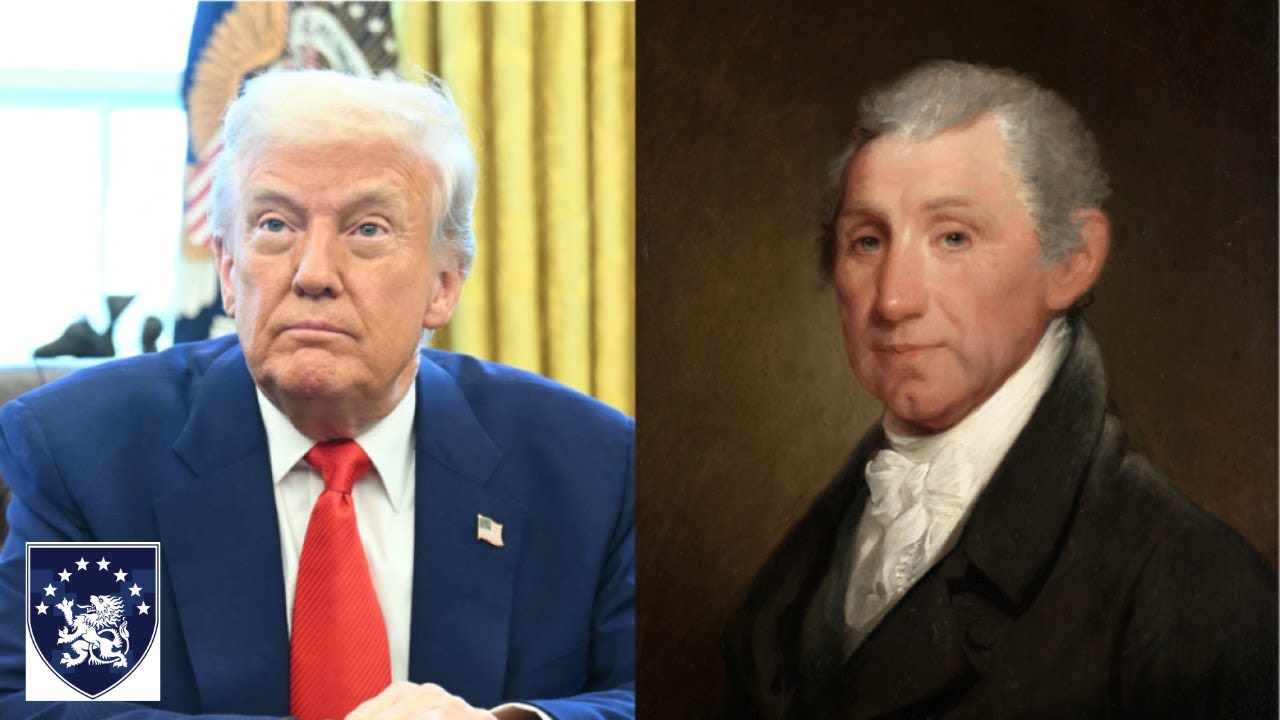
Washington — When President Donald Trump invoked the Monroe Doctrine during a recent press appearance, even seasoned observers of American politics struggled to determine whether the moment was rhetorical improvisation, ideological signaling, or something more consequential.
Referring to the 19th-century foreign policy principle as the “Dunro Doctrine,” a remark that immediately went viral, Mr. Trump suggested that the doctrine—long considered a historical artifact—was once again relevant to U.S. actions in the Western Hemisphere. The comment followed his administration’s controversial military and intelligence operations in Venezuela, as well as renewed rhetoric about U.S. influence over Greenland and a conspicuous reluctance to challenge Russia’s territorial ambitions in Ukraine.
For critics, the episode crystallized a broader concern: that Mr. Trump is not merely reshaping policy but reviving a worldview rooted in territorial dominance, ethnic hierarchy, and unilateral power.
A Doctrine from Another Era

The Monroe Doctrine, first articulated in 1823, warned European powers against further colonization in the Americas. Over time, it became a justification for U.S. intervention across Latin America, often at the expense of democratic institutions and national sovereignty. While subsequent administrations have referenced the doctrine sparingly, most historians agree it has been superseded by international law and post–World War II alliances.
That is why Mr. Trump’s remark stunned many analysts.
“He didn’t just reference the Monroe Doctrine,” said Representative Madeleine Dean, Democrat of Pennsylvania. “He tried to rename it. The only reason to revive it at all—let alone personalize it—is if you’re signaling expansionism.”
On social media, the reaction was swift. Chuck Todd, host of the Chuck Toddcast, wrote sarcastically, “Who needs The Onion? Let’s talk about the Dunro Doctrine.” Michelle Kinney, a Democratic strategist and co-founder of Seneca Project, summed up the disbelief shared by many: “Oh my God. How is this real?”
Venezuela, Oil, and Power
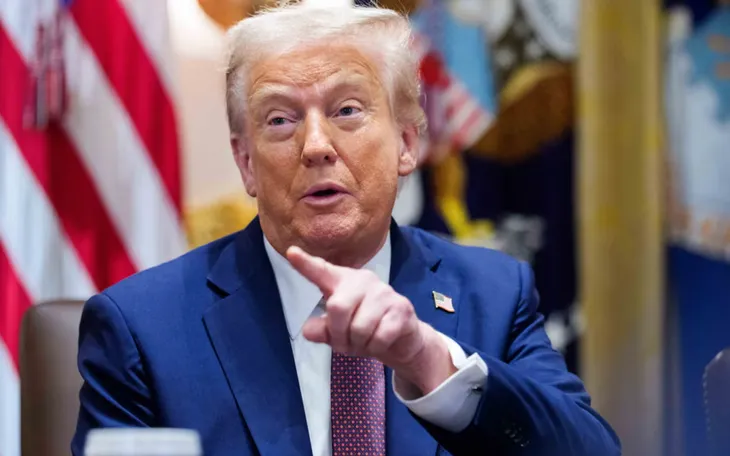
The president’s remarks came in the context of his administration’s actions in Venezuela, which Mr. Trump framed as a “successful mission” tied to security concerns. Critics, however, argue that the rhetoric surrounding the operation—particularly Mr. Trump’s repeated emphasis on oil—reveals a more transactional motive.
“Pointing to drugs or instability is easy,” said Christopher Rhodes, a professor of American foreign policy and author of a forthcoming book on the Monroe Doctrine and Manifest Destiny. “But when you look at Venezuela alongside Greenland and Ukraine, you see a pattern. It’s not strategy—it’s appetite.”
Mr. Rhodes noted that Mr. Trump’s rhetoric aligns less with modern diplomacy than with 19th-century imperial thinking. “Invoking the Monroe Doctrine today, especially in this manner, is not just outdated,” he said. “It’s destabilizing.”
Immigration and the Language of Dehumanization

At home, the president’s foreign policy rhetoric has been closely intertwined with his approach to immigration. In recent days, Catholic bishops across the United States issued a rare unified statement condemning what they described as “intimidating and dehumanizing” policies targeting migrants.
“The bishops of the United States, united in our concern, will continue to stand with migrants and defend everyone’s right to worship free from intimidation,” the statement read, implicitly rebuking the administration’s cooperation with aggressive immigration enforcement near churches and shelters.
Mr. Trump, meanwhile, has continued to use inflammatory language. At a recent event, he referred to Representative Ilhan Omar, a duly elected member of Congress, as “garbage,” language that drew condemnation even from some Republicans.
“Today it’s an immigrant with a tattoo,” said Governor J.B. Pritzker of Illinois in a widely shared post. “Tomorrow it’s a citizen whose Facebook post annoys Donald Trump.”
A Global Pattern
Diplomats and foreign policy experts see Mr. Trump’s comments as part of a broader global trend toward spheres of influence.
“In Europe, it’s called the Putin Doctrine,” said Tom Malinowski, a former U.S. diplomat and congressman. “In Asia, it’s the Xi Jinping Doctrine. And now we’re apparently supposed to accept an American version.”
What alarms critics is not merely the rhetoric, but what it signals to allies. Mr. Trump has repeatedly declined to push back forcefully against President Vladimir Putin’s actions in Ukraine, at times suggesting that territorial concessions might be acceptable.
“To our allies, this looks like abdication,” said Jeff Timmer, a former Republican strategist who has since become a vocal critic of the president. “To authoritarian leaders, it looks like an invitation.”
History Rewritten
Mr. Trump’s casual dismissal of established norms—whether constitutional protections, international law, or historical context—has become a defining feature of his presidency. Supporters often praise this as disruption. Critics see erosion.
“The danger isn’t just that he misunderstands history,” said a senior fellow at a Washington think tank who requested anonymity. “It’s that he’s trying to rewrite it in real time, with himself at the center.”
That concern resonates with many Americans watching these developments unfold across social media platforms, cable news, and international headlines.
As one viral post put it: “This isn’t nostalgia. It’s regression.”
An Unsettled Future
Whether Mr. Trump’s invocation of the Monroe Doctrine represents a fleeting rhetorical flourish or a genuine policy direction remains unclear. What is certain is that the comment has intensified scrutiny of a presidency that increasingly blurs the line between historical reference and ideological ambition.
For now, the reaction—from lawmakers, scholars, religious leaders, and allies abroad—suggests that many see the moment not as a gaffe, but as a warning.
As Professor Rhodes put it succinctly: “These are disturbing times. And history tells us that when leaders start reaching this far back, it’s rarely to move forward.”