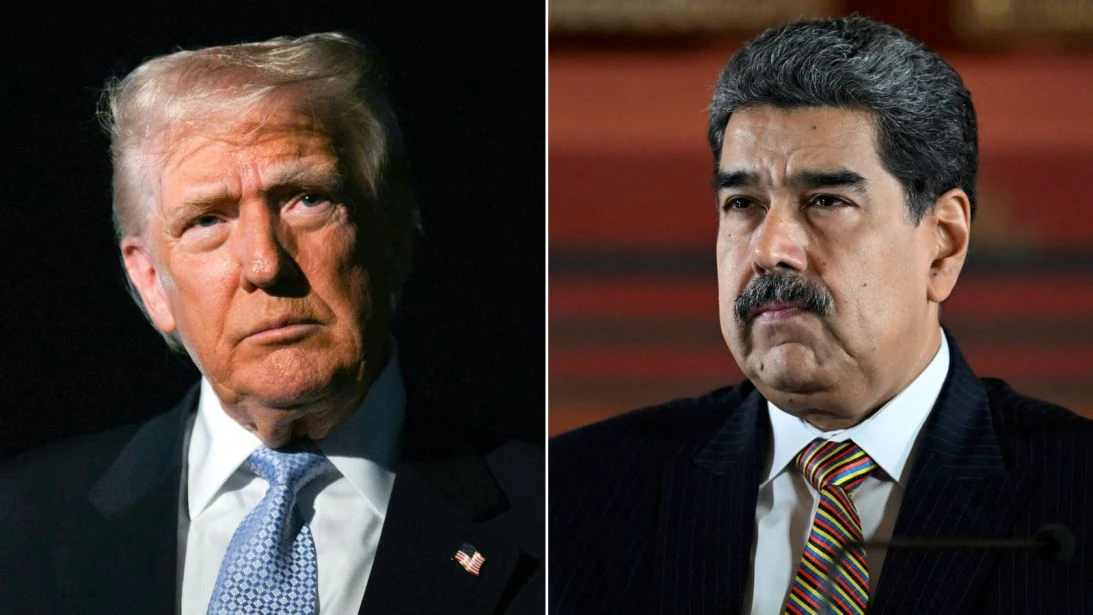
A political and constitutional crisis is rapidly unfolding in Washington as members of Congress push back against Donald Trump over a sudden military operation targeting Venezuela. Lawmakers from both parties are raising alarms that the action was launched without congressional authorization, proper briefings, or a clear legal framework—sparking what critics call one of the most serious war powers disputes in years.

Democratic lawmakers reacted with fury after reports confirmed that U.S. forces conducted strikes and captured Venezuelan President Nicolás Maduro without notifying key congressional leaders or committees. Members say neither the Speaker of the House nor the relevant intelligence and armed services committees were briefed in advance, a move they argue violates both tradition and the Constitution.
Speaking publicly, several representatives rejected the administration’s shifting justifications for the operation, which have ranged from drug trafficking enforcement to regime change and resource security. Critics argue that the lack of a consistent explanation undermines credibility and suggests the mission’s true objectives were concealed from both Congress and the American public.

Concerns quickly expanded beyond Venezuela. Lawmakers warned that unilateral military action sets a dangerous precedent with global implications, particularly for flashpoints such as Ukraine, Taiwan, and Iran. They argue that if the United States normalizes regime change without oversight, it weakens its moral standing and invites instability worldwide.
The controversy deepened after senior administration officials claimed the mission was too sensitive to allow congressional notification. Members of Congress pushed back sharply, noting that past presidents—including Trump himself—have routinely briefed leadership on classified, time-sensitive operations. They insist oversight is not optional when American troops are placed in harm’s way.
Adding to the backlash, Trump publicly suggested he was under no obligation to seek congressional approval and expressed concern that lawmakers might “leak” information. Critics counter that such remarks risk damaging U.S. credibility and could endanger intelligence sources, allies, and future operations.
In response, lawmakers announced plans to invoke the War Powers Resolution to force a vote limiting or ending U.S. involvement in Venezuela. Notably, opposition is not confined to Democrats. Several Republican figures associated with “America First” principles have also condemned the operation, calling it a betrayal of Trump’s campaign promise to avoid new foreign wars.
As Congress prepares for an escalating showdown, the stakes are high. Supporters of the resolution argue the issue transcends party politics, framing it as a fundamental test of constitutional balance and democratic accountability. Whether Congress can rein in executive power—or whether the conflict expands further—may determine not only the future of U.S. policy toward Venezuela, but the limits of presidential war-making authority itself.