Trump and Venezuela: A War Without Congress That Alarms Allies and Divides MAGA

WASHINGTON — In less than 24 hours, President Donald Trump’s military action in Venezuela has triggered a political earthquake that is reverberating across Capitol Hill, among European allies, and within the very MAGA movement that helped return him to the White House.
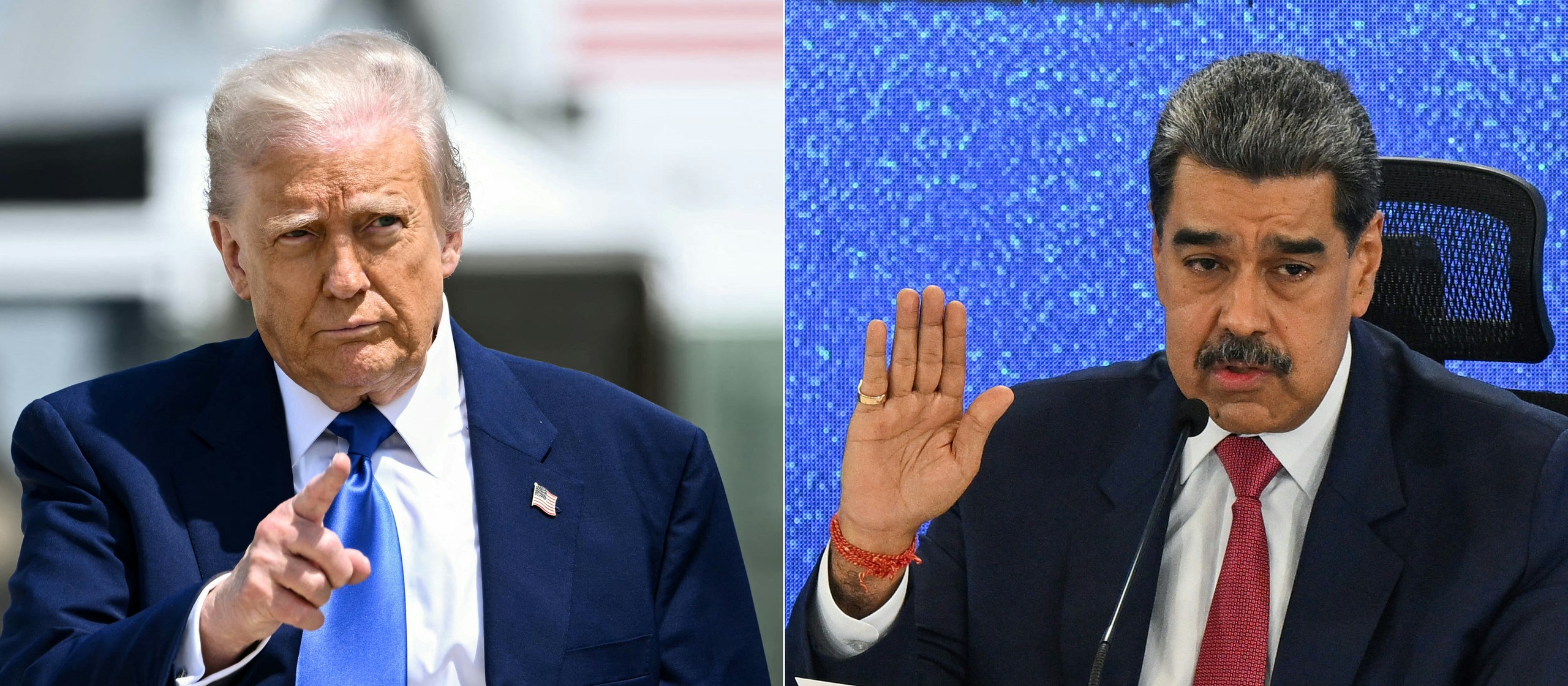
The operation, initially described by the Trump administration as a “limited mission to apprehend Venezuela’s leadership,” quickly took on a far more expansive tone after the president declared at a press conference that the United States “may go back in” and could even “run Venezuela for a period of time.”
Those remarks immediately raised alarms among lawmakers from both parties, constitutional scholars, and foreign policy experts, who warned that the action represents not merely a military escalation but a profound breach of both domestic and international legal norms.
Bypassing Congress, Challenging the Constitution

What has stunned many lawmakers is not only the military strike itself, but the manner in which it was carried out. There was no Authorization for Use of Military Force (AUMF). No consultation with Congress. And no evidence that the United States was attacked or faced an imminent threat.
Senator Tim Kaine announced plans to force a bipartisan War Powers vote to block further military action in Venezuela. “Congress cannot be sidelined every time a president decides to wage war,” he said.
Representative Joaquin Castro of Texas, a member of the House Foreign Affairs and Intelligence Committees, described the action as “clearly illegal” under both international law and U.S. domestic law. He emphasized that the administration waited until Congress was in recess to carry out the operation — a detail that many lawmakers view as a deliberate attempt to evade oversight.
European Allies Alarmed, International Order Shaken
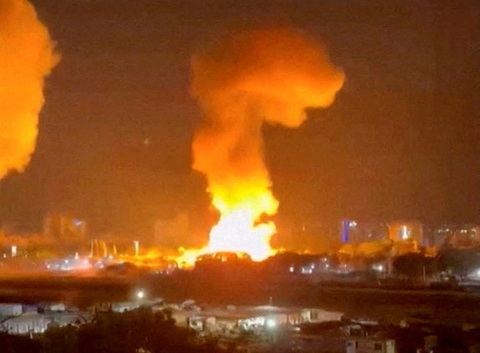
The backlash has extended far beyond Washington. According to diplomats familiar with the matter, France and Germany have expressed deep skepticism about the legality of the U.S. action. One European official, speaking on condition of anonymity, said, “If the United States acts unilaterally in this way, it is setting a dangerous precedent for the entire international system.”
There was no authorization from the United Nations Security Council. No invocation of collective self-defense. For many allies, the episode has revived fears that Washington is reverting to a doctrine of unilateral force — one it has long criticized in others.
Cracks Emerge Within MAGA
Perhaps most striking for the White House has been the reaction from within the MAGA movement itself. Representative Marjorie Taylor Greene, a longtime Trump ally, wrote on social media that the action was “exactly what many people in MAGA thought they voted to end.”
Senator Mike Lee initially attempted to downplay the operation as a “limited strike.” But after Trump publicly spoke about “running Venezuela,” a growing number of conservative voices began raising familiar questions: How much will this cost? How long will U.S. troops remain? And how is this different from the nation-building wars Trump once denounced?
From ‘Peace President’ to Resource-Driven War?
Throughout his campaign, Trump portrayed himself as a critic of regime-change wars, frequently attacking the invasions of Iraq and Afghanistan and promising to focus instead on jobs, prices, and the economic well-being of Americans.
Now, however, it is Trump himself openly discussing Venezuela’s oil — among the largest reserves in the world. That fact has fueled suspicions among Democrats and independent analysts alike about the administration’s true motives.
“This is not a foreign policy doctrine,” Representative Castro said. “This is about enriching Trump and the people around him.”
Such claims have spread rapidly across American social media platforms, amplified by political commentators, former national security officials, and academics who have drawn direct parallels between Venezuela and past U.S. misadventures in the Middle East.
Domestic Strain, Foreign Escalation
As the administration focuses on Venezuela, many Americans are grappling with economic pressures at home. The expiration of health care subsidies has driven insurance premiums sharply higher, while the costs of groceries, housing, and child care continue to rise.
“People are asking why the president spends so much time talking about Venezuela, Argentina, or the Middle East, but not about Pennsylvania, Michigan, or Wisconsin,” one political analyst noted. “The very states that once decided his electoral fate.”
A Test for American Democracy
The Venezuela crisis has now become more than a foreign policy dispute. It is a test of congressional authority, the limits of presidential power, and the moral identity the United States claims for itself.
Will Republican lawmakers be willing to break party ranks? Are the checks and balances of American democracy still strong enough to restrain executive overreach? And will voters — including those within MAGA — accept an America portrayed by critics as seizing another nation’s resources?
The answers may shape not only Donald Trump’s presidency, but America’s role in the world for years to come.